Wheel Alignment Machines: Discover Modern Systems and Industry Developments
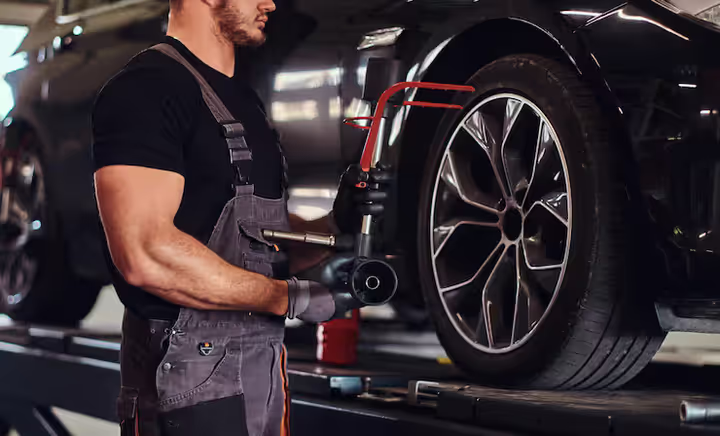
Wheel alignment machines are specialized automotive diagnostic equipment used to measure and adjust the angles of vehicle wheels according to manufacturer specifications. Proper wheel alignment helps ensure stable handling, improved steering response, even tire wear, and efficient vehicle operation.
Modern vehicles rely on precise suspension geometry. Even small deviations caused by road impacts, worn suspension components, or regular driving can affect steering accuracy and tire performance. Wheel alignment machines help technicians identify these deviations using advanced sensors, cameras, or laser systems.
Today, wheel alignment technology has become an essential part of automotive maintenance, supporting passenger vehicles, commercial fleets, electric vehicles, and performance automobiles.
Understanding Wheel Alignment Machines
A wheel alignment machine measures several critical wheel angles and compares them with manufacturer specifications stored in its software database.
The machine collects measurements using electronic sensors or cameras attached to each wheel. The collected information is processed by onboard software, allowing technicians to determine whether adjustments are required.
The primary alignment measurements include:
- Camber angle
- Caster angle
- Toe angle
- Thrust angle
- Steering axis inclination
- Included angle
Accurate measurements help maintain vehicle stability, improve steering precision, and reduce unnecessary tire wear.
How Wheel Alignment Machines Work
The alignment process follows a systematic procedure.
Main Steps
- Vehicle is positioned on an alignment lift.
- Sensors or targets are attached to all wheels.
- Cameras or electronic sensors measure wheel positions.
- Software compares measured values with manufacturer specifications.
- Alignment adjustments are performed if necessary.
- Final measurements verify that specifications are achieved.
Modern systems generate detailed digital reports before and after alignment, making inspections easier to document.
Major Components of Wheel Alignment Machines
Different manufacturers may use unique designs, but most systems include similar components.
Core Components
- Alignment cameras
- Digital imaging sensors
- Wheel clamps
- Alignment targets
- Computer workstation
- Large display monitor
- Vehicle specification database
- Alignment software
- Steering wheel holder
- Brake pedal depressor
- Turntables
- Slip plates
- Lift integration system
These components work together to deliver accurate alignment measurements.
Types of Wheel Alignment Machines
| Machine Type | Technology Used | Common Applications | Key Advantages |
|---|---|---|---|
| 3D Wheel Alignment Machine | High-resolution cameras | Passenger vehicles, workshops | Fast measurements and high accuracy |
| CCD Wheel Alignment Machine | Electronic CCD sensors | General automotive repair | Reliable digital measurements |
| Laser Wheel Alignment Machine | Laser beams | Basic inspection | Simple operation |
| Heavy Vehicle Alignment Machine | Specialized sensors | Trucks and buses | Handles large wheelbases |
| Portable Alignment System | Compact digital equipment | Mobile inspections | Easy transportation |
Modern automotive workshops increasingly prefer 3D alignment systems because of their speed, precision, and software integration.
Importance of Wheel Alignment Machines
Proper wheel alignment contributes to both vehicle performance and road safety.
Correct alignment helps maintain steering stability while reducing excessive tire wear caused by incorrect wheel angles.
Benefits include:
- Improved steering control
- Better vehicle stability
- Reduced tire wear
- Enhanced driving comfort
- Improved fuel efficiency through lower rolling resistance
- More accurate suspension diagnostics
- Consistent vehicle handling
- Better performance after suspension repairs
These advantages make wheel alignment an important maintenance procedure throughout a vehicle's operating life.
Real-World Applications
Wheel alignment machines are used across many sectors of the automotive industry.
Common Applications
- Passenger vehicle maintenance
- Commercial fleet inspections
- Electric vehicle maintenance
- Automotive dealerships
- Tire installation centers
- Vehicle inspection facilities
- Suspension repair workshops
- Motorsports preparation
- Vehicle manufacturing plants
- Technical training institutes
Fleet operators also use alignment equipment to improve operational efficiency by minimizing premature tire replacement and maintaining predictable vehicle handling.
Common Problems Solved by Wheel Alignment Machines
Several vehicle issues can often be traced to incorrect wheel alignment.
Typical Problems
- Vehicle pulling toward one side
- Uneven tire wear
- Off-center steering wheel
- Steering vibration
- Reduced directional stability
- Suspension geometry changes
- Poor cornering performance
- Increased rolling resistance
Early detection allows these issues to be corrected before they become more serious.
Important Features of Modern Wheel Alignment Machines
Recent technological improvements have significantly enhanced alignment accuracy and efficiency.
Advanced Features
- High-definition camera systems
- Real-time digital measurement
- Automatic vehicle recognition
- Cloud-based software updates
- Large manufacturer specification databases
- Wireless communication
- Artificial intelligence assisted diagnostics
- Touchscreen interfaces
- Automatic report generation
- Multi-language software
- Calibration assistance
- Integration with workshop management systems
These features improve productivity while reducing the possibility of measurement errors.
Recent Trends and Developments (2025–2026)
Wheel alignment technology continues to evolve alongside modern vehicle systems.
Recent developments include:
- Expanded support for electric vehicles with updated manufacturer specifications during 2025.
- Improved AI-assisted diagnostic software capable of identifying suspension irregularities more efficiently.
- Greater adoption of wireless alignment targets, reducing setup time in workshops.
- Enhanced cloud-connected databases providing regular specification updates throughout 2025 and 2026.
- Integration with Advanced Driver Assistance Systems (ADAS) calibration workflows, allowing alignment and sensor calibration to complement one another.
- Improved high-resolution imaging systems that increase measurement precision for modern suspension designs.
Manufacturers continue investing in automation, digital reporting, and predictive maintenance capabilities.
Regulations and Industry Standards
Wheel alignment equipment is commonly used in accordance with recognized automotive standards and manufacturer recommendations.
Relevant standards and guidelines include:
Important Standards
- ISO quality management practices for equipment manufacturing
- Vehicle manufacturer alignment specifications
- National roadworthiness inspection requirements where applicable
- Occupational safety regulations for workshop equipment
- Calibration procedures recommended by equipment manufacturers
- Environmental practices supporting efficient tire usage and reduced waste
Regular equipment calibration helps maintain measurement accuracy and consistency.
Useful Tools, Platforms, and Learning Resources
Professionals and students can expand their understanding through trusted educational resources.
Helpful Resources
- Vehicle manufacturer technical manuals
- Automotive engineering textbooks
- Technical training institutes
- Automotive diagnostic software documentation
- Equipment manufacturer learning portals
- Professional automotive certification programs
- Industry conferences
- Automotive engineering journals
- Technical webinars
- Standards organizations
Continuous learning helps technicians stay updated as vehicle technology evolves.
Selecting an Appropriate Wheel Alignment Machine
Choosing suitable equipment depends on workshop requirements and vehicle types.
Important considerations include:
- Supported vehicle categories
- Measurement accuracy
- Software update availability
- Ease of calibration
- Database coverage
- Workshop space
- Lift compatibility
- Reporting features
- Wireless capability
- Future software expansion
Evaluating these factors helps ensure long-term usability and compatibility with changing vehicle technologies.
Maintenance and Calibration
Regular maintenance supports reliable measurements and extends equipment life.
Good Maintenance Practices
- Clean cameras and sensors regularly.
- Inspect wheel clamps before use.
- Perform scheduled calibration.
- Update alignment software.
- Verify target condition.
- Follow manufacturer maintenance schedules.
- Protect electronic components from impact.
- Maintain stable workshop conditions.
Routine inspection improves measurement consistency and minimizes downtime.
Frequently Asked Questions
What does a wheel alignment machine measure?
A wheel alignment machine measures wheel and suspension angles such as camber, caster, toe, thrust angle, and steering geometry to determine whether they match manufacturer specifications.
How often should wheel alignment be checked?
Alignment should be checked whenever suspension components are replaced, new tires are installed, steering performance changes, or after significant road impacts. Many vehicle owners also include alignment during periodic maintenance.
What is the difference between 3D and CCD wheel alignment machines?
3D systems use high-resolution cameras and digital imaging to provide rapid measurements, while CCD systems rely on electronic sensors attached to the wheels. Both deliver accurate results, although 3D technology generally provides faster operation and simplified setup.
Why is equipment calibration important?
Calibration ensures that sensors and cameras continue producing accurate measurements. Incorrect calibration can lead to inaccurate alignment readings and improper vehicle adjustments.
Can wheel alignment machines support electric vehicles?
Yes. Most modern systems include software databases covering electric vehicles, hybrid vehicles, passenger cars, SUVs, and commercial vehicles, with regular updates from equipment manufacturers.
Conclusion
Wheel alignment machines play a vital role in modern automotive maintenance by delivering accurate measurements of wheel and suspension geometry. Their advanced imaging systems, digital software, and continuously updated vehicle databases allow technicians to diagnose alignment issues efficiently while supporting improved steering performance, tire longevity, and overall vehicle stability.
As automotive technology continues to advance through electric vehicles, connected workshop systems, artificial intelligence, and integrated ADAS calibration, wheel alignment equipment is also becoming more intelligent and capable. Regular calibration, proper maintenance, and ongoing technical learning help ensure these systems continue providing dependable performance for automotive professionals and vehicle owners alike.