Material Handling Equipment: Essential Solutions for Modern Warehouses
Modern warehouses are evolving rapidly as businesses strive to improve efficiency, accuracy, and productivity. One of the most important factors behind this transformation is material handling equipment. From moving pallets to managing inventory and streamlining warehouse operations, these solutions play a vital role in today's supply chain ecosystem.
As global commerce continues to expand, warehouses are handling larger volumes of products than ever before. Efficient movement, storage, protection, and control of materials have become essential for maintaining smooth operations. Material handling equipment helps organizations reduce manual effort, improve workplace safety, and optimize warehouse performance.
Understanding Material Handling Equipment
Material handling equipment refers to machines, systems, and tools designed to move, store, control, and protect materials throughout manufacturing, warehousing, distribution, and logistics operations.
These solutions are used across various industries, including retail, e-commerce, manufacturing, automotive, food processing, and distribution centers. Their primary purpose is to improve operational efficiency while minimizing unnecessary handling and transportation delays.
Material handling equipment can range from simple pallet jacks to advanced automated warehouse systems that operate with minimal human intervention.
Why Material Handling Equipment Matters
Warehouse productivity depends heavily on how efficiently goods move from one location to another. Poor material handling processes often lead to delays, damaged products, workplace accidents, and increased operational complexity.
Modern equipment helps warehouses achieve several important objectives:
- Faster inventory movement
- Improved storage utilization
- Enhanced workplace safety
- Reduced product damage
- Better inventory accuracy
- Increased operational efficiency
- Improved supply chain performance
Industry reports indicate that warehouse automation and advanced material handling technologies continue to experience strong growth as businesses seek greater efficiency and scalability.
Common Types of Material Handling Equipment
Forklift Equipment
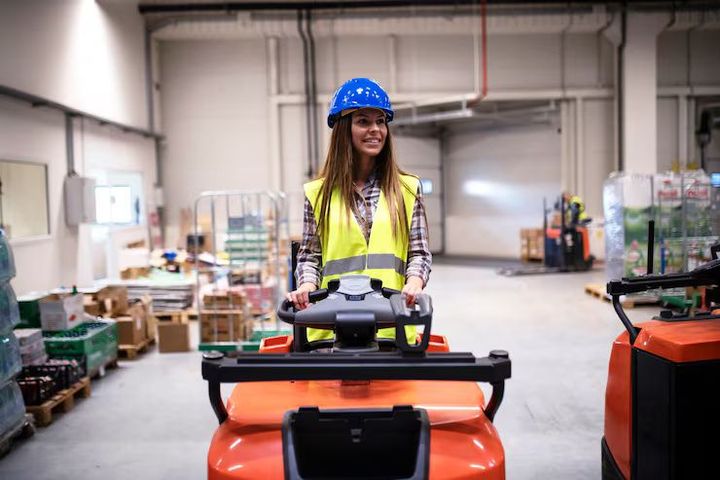
Forklifts remain one of the most widely used pieces of warehouse equipment. They are designed to lift, transport, and stack heavy materials within warehouses and distribution facilities.
Different forklift types are available for various applications, including electric forklifts, counterbalance forklifts, reach trucks, and narrow-aisle forklifts.
Modern forklift systems often include advanced safety features, telematics technology, and fleet management capabilities that help improve operational visibility.
Conveyor Systems
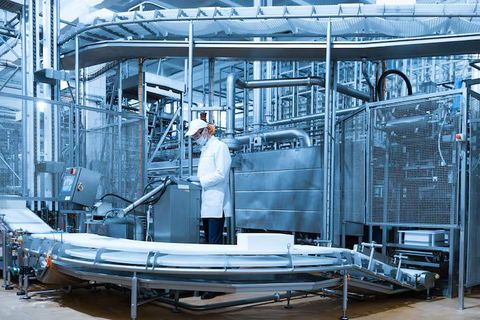
Conveyor systems are essential for transporting products through warehouses and production facilities. These systems reduce manual handling while improving speed and consistency.
Common conveyor solutions include:
- Belt conveyors
- Roller conveyors
- Chain conveyors
- Overhead conveyors
- Automated sorting conveyors
Conveyor technology is widely used in e-commerce fulfillment centers where high-volume order processing is critical.
Pallet Handling Equipment
Pallet handling equipment simplifies the movement and storage of palletized goods. Examples include pallet jacks, pallet positioners, pallet dispensers, and automated pallet transport systems.
These solutions help reduce worker fatigue while improving warehouse workflow efficiency.
Storage and Retrieval Systems
Efficient storage is a key component of warehouse management. Storage and retrieval systems are designed to maximize available space while ensuring easy access to inventory.
Examples include:
- Industrial shelving
- Pallet racking systems
- Mezzanine storage structures
- Automated storage and retrieval systems (AS/RS)
Advanced storage technologies can significantly improve inventory organization and space utilization.
The Rise of Automated Material Handling Systems
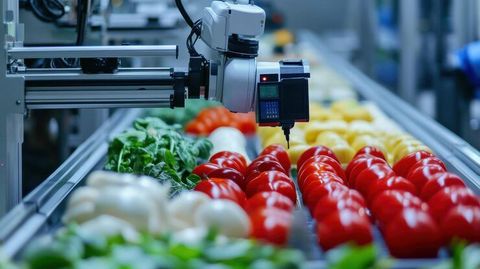
Automation is becoming a major trend in warehouse operations. Automated material handling systems use technology to perform repetitive tasks with greater speed and accuracy.
Examples of automation technologies include:
- Automated guided vehicles (AGVs)
- Autonomous mobile robots (AMRs)
- Robotic picking systems
- Automated sorting equipment
- Smart warehouse management systems
These technologies help warehouses process higher volumes of inventory while reducing operational bottlenecks.
According to industry studies, warehouse automation adoption continues to increase as organizations focus on operational resilience and long-term productivity improvements.
Material Handling and Warehouse Safety
Safety remains one of the most important considerations in warehouse environments. Material handling equipment contributes significantly to workplace safety when used correctly.
Benefits include:
- Reduced manual lifting
- Lower risk of workplace injuries
- Improved load stability
- Better traffic management
- Enhanced operator visibility
Many modern systems now incorporate sensors, collision avoidance technologies, and real-time monitoring tools to further improve warehouse safety standards.
Regular equipment inspections, operator training, and preventive maintenance also contribute to safer warehouse operations.
Impact on Supply Chain Efficiency
Efficient material handling directly influences overall supply chain performance. Delays within warehouses often create ripple effects across transportation, distribution, and inventory management processes.
Well-designed material handling systems support:
- Faster order fulfillment
- Improved inventory visibility
- Reduced operational downtime
- Better warehouse throughput
- Enhanced customer satisfaction
As supply chains become increasingly complex, businesses are investing in smarter warehouse technologies to maintain competitiveness and operational flexibility.
Emerging Trends in Material Handling Equipment
Smart Warehouse Technology
Warehouses are increasingly integrating data analytics, sensors, and connected devices into material handling operations. These technologies provide real-time insights that help managers make informed decisions.
Artificial Intelligence Integration
Artificial intelligence is helping optimize routing, inventory placement, predictive maintenance, and warehouse resource allocation. AI-powered systems can identify patterns and improve operational performance over time.
Sustainable Equipment Solutions
Environmental sustainability is becoming a growing priority. Electric-powered equipment, energy-efficient systems, and intelligent resource management tools are helping warehouses reduce their environmental impact.
Robotics and Autonomous Operations
Robotic systems continue to expand across warehouse environments. From automated picking to autonomous transportation, robotics is reshaping the future of material handling and logistics operations.
Choosing the Right Material Handling Equipment
Selecting suitable equipment depends on several operational factors, including warehouse size, inventory type, storage requirements, throughput volume, and workflow design.
Organizations should evaluate:
- Material characteristics
- Warehouse layout
- Safety requirements
- Automation objectives
- Scalability needs
- Maintenance considerations
A strategic approach ensures that equipment investments align with long-term operational goals and productivity targets.
Conclusion
Material handling equipment serves as the backbone of modern warehouse operations. From forklifts and conveyor systems to advanced automated warehouse technologies, these solutions help businesses improve efficiency, safety, and supply chain performance.
As warehousing and logistics continue to evolve, the demand for intelligent material handling systems is expected to grow. Organizations that embrace modern equipment and automation technologies are better positioned to handle increasing inventory volumes, improve operational accuracy, and support future business growth.
Understanding the role of material handling equipment is essential for anyone seeking insights into warehouse optimization, logistics efficiency, and the future of industrial operations.