Learn About Laboratory Immunoassay Equipment: Discover Information, Overview, Details, Advice, Suggestions, and Expert Insights
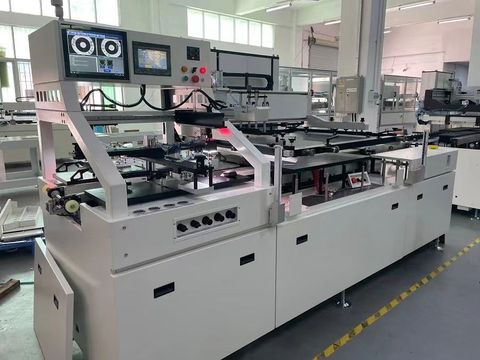
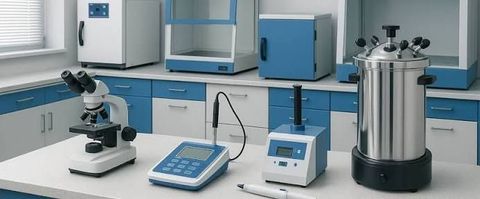
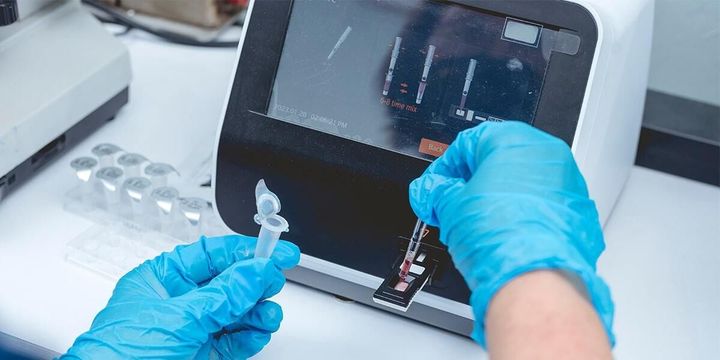
Laboratory immunoassay equipment refers to specialized instruments used to detect and measure specific substances in biological samples such as blood, serum, plasma, urine, and other fluids. These systems operate by identifying interactions between antigens and antibodies, allowing laboratories to analyze biomarkers, hormones, proteins, infectious agents, and various other compounds.
Immunoassay technology has become an essential part of modern laboratory diagnostics. Hospitals, research centers, public health laboratories, pharmaceutical organizations, and academic institutions use these instruments to generate reliable analytical data.
The development of immunoassay analyzers was driven by the need for accurate, reproducible, and efficient laboratory testing. Earlier laboratory methods often required extensive manual procedures and longer processing times. Advances in laboratory automation, clinical diagnostics technology, and analytical instrumentation have significantly improved testing capabilities.
Common categories of laboratory immunoassay equipment include:
- Automated immunoassay analyzers
- Chemiluminescence immunoassay systems
- Enzyme-linked immunosorbent assay (ELISA) instruments
- Fluorescence immunoassay analyzers
- Multiplex immunoassay platforms
- Point-of-care immunoassay devices
- Laboratory automation systems
Key Functions of Immunoassay Equipment
| Function | Purpose |
|---|---|
| Antibody Detection | Identifies immune responses |
| Antigen Detection | Detects pathogens or biomarkers |
| Hormone Testing | Measures endocrine activity |
| Therapeutic Drug Monitoring | Tracks medication levels |
| Disease Screening | Supports diagnostic evaluation |
| Research Analysis | Assists scientific investigations |
Why Laboratory Immunoassay Equipment Matters
Laboratory immunoassay systems play a major role in healthcare, biomedical research, public health surveillance, and pharmaceutical development. Their ability to identify specific biological markers makes them valuable across numerous applications.
Healthcare professionals rely on immunoassay testing to evaluate medical conditions, monitor disease progression, and support treatment decisions. Researchers use these systems to study biological processes and investigate new therapies.
Several factors explain their growing importance:
- Increased focus on preventive healthcare
- Expansion of molecular diagnostics and precision medicine
- Greater demand for laboratory automation
- Rising prevalence of chronic diseases
- Improved access to diagnostic technologies
- Enhanced disease surveillance programs
The technology affects a wide range of stakeholders:
- Patients seeking accurate diagnostic information
- Clinical laboratories processing large testing volumes
- Researchers conducting scientific studies
- Pharmaceutical organizations developing therapies
- Public health agencies monitoring disease trends
Problems These Systems Help Address
Laboratory immunoassay equipment helps address several challenges in diagnostics and research.
- Reduces manual laboratory workload
- Improves testing consistency
- Supports high-throughput sample analysis
- Enables detection of low-concentration biomarkers
- Assists in identifying infectious diseases
- Supports monitoring of chronic health conditions
- Facilitates large-scale screening initiatives
Recent Updates and Industry Trends
The laboratory diagnostics sector has experienced notable developments throughout 2025 and early 2026. Several trends continue shaping immunoassay technology.
One major trend is the expansion of artificial intelligence-assisted laboratory workflows. Advanced software platforms are increasingly being integrated with immunoassay analyzers to improve quality control, workflow management, and result interpretation.
Another significant development is the adoption of high-throughput automated immunoassay systems. These platforms allow laboratories to process larger sample volumes while maintaining analytical consistency.
Recent industry reports published during 2025 highlighted growing interest in:
- Digital laboratory infrastructure
- Connected diagnostic ecosystems
- Cloud-based laboratory data management
- Multiplex biomarker testing
- Enhanced laboratory cybersecurity
- Integrated laboratory automation solutions
Many manufacturers also introduced updated analyzer platforms between 2025 and 2026 featuring:
- Faster processing capabilities
- Improved reagent management
- Enhanced user interfaces
- Advanced quality assurance features
- Expanded testing menus
Emerging Technology Trends
| Trend | Potential Impact |
| AI-Assisted Analytics | Improved data interpretation |
| Laboratory Automation | Increased efficiency |
| Multiplex Testing | Multiple biomarkers from one sample |
| Cloud Connectivity | Better data management |
| Digital Quality Control | Enhanced compliance monitoring |
| Precision Diagnostics | More targeted testing approaches |
Laboratory Technology Adoption Trend
Automation Adoption Trend

2022  ██████
2023  █████████
2024  ████████████
2025  ███████████████
2026  █████████████████
The graph illustrates the general industry trend toward greater laboratory automation and digital integration over recent years.
Regulations, Standards, and Policies
Laboratory immunoassay equipment operates within highly regulated environments. Regulatory frameworks are designed to promote accuracy, reliability, quality management, and patient safety.
Different countries maintain their own regulatory systems, but several common principles apply internationally.
Key regulatory areas often include:
- Medical device classification
- Laboratory accreditation requirements
- Quality management standards
- Data security and privacy protections
- Instrument validation procedures
- Performance monitoring requirements
Common international standards referenced by laboratories include:
- ISO 15189 for medical laboratory quality and competence
- ISO 13485 for medical device quality management systems
- Good Laboratory Practice (GLP) guidelines
- Clinical laboratory accreditation frameworks
Government health agencies frequently update guidance related to:
- Diagnostic device oversight
- Laboratory reporting practices
- Quality assurance requirements
- Public health surveillance initiatives
Laboratories using immunoassay equipment generally follow documented procedures for:
- Calibration
- Quality control
- Maintenance
- Staff training
- Record management
- Performance verification
These policies help maintain confidence in laboratory testing and support consistent analytical performance.
Helpful Tools and Resources
Professionals, students, and researchers can benefit from a variety of educational and technical resources related to immunoassay technology.
Useful resources include:
- Laboratory quality management software
- Scientific literature databases
- Clinical laboratory guidelines
- Laboratory information management systems (LIMS)
- Diagnostic testing reference manuals
- Laboratory validation templates
- Regulatory guidance documents
- Biomedical research databases
Examples of commonly used resource categories:
| Resource Type | Purpose |
| LIMS Platforms | Sample and workflow tracking |
| Scientific Databases | Research literature access |
| Quality Control Software | Monitoring analytical performance |
| Regulatory Portals | Compliance information |
| Training Platforms | Laboratory education |
| Data Analysis Tools | Result interpretation |
When evaluating educational materials, users should prioritize resources from recognized scientific organizations, accredited laboratories, universities, and government health agencies.
Frequently Asked Questions
What is laboratory immunoassay equipment used for?
Laboratory immunoassay equipment is used to detect and measure specific biological substances such as hormones, proteins, antibodies, antigens, and biomarkers in clinical and research samples.
How does an immunoassay analyzer work?
An immunoassay analyzer uses antigen-antibody interactions to identify target substances. The system measures a signal generated by the reaction and converts it into analytical data that can be interpreted by laboratory professionals.
Who uses laboratory immunoassay systems?
These systems are commonly used by clinical laboratories, hospitals, research institutions, pharmaceutical organizations, public health agencies, and academic laboratories.
Why is laboratory automation important in immunoassay testing?
Laboratory automation helps improve efficiency, reduce manual processing, increase throughput, support quality assurance, and enhance consistency across large testing volumes.
Are immunoassay results always used alone for diagnosis?
No. Laboratory results are typically considered alongside clinical findings, patient history, imaging studies, and other diagnostic information. Healthcare professionals evaluate multiple factors before making clinical decisions.
What are some emerging areas of immunoassay technology?
Emerging areas include multiplex biomarker testing, artificial intelligence-assisted analytics, digital laboratory management systems, advanced automation platforms, and precision diagnostic applications.
Final Thoughts
Laboratory immunoassay equipment remains a cornerstone of modern diagnostics, biomedical research, and public health monitoring. These systems enable laboratories to detect important biological markers with increasing efficiency and analytical precision.
Advances in laboratory automation, clinical diagnostics technology, artificial intelligence integration, digital laboratory infrastructure, biomarker testing platforms, and quality management systems continue shaping the future of immunoassay analysis. At the same time, regulatory standards and accreditation requirements help ensure reliability, consistency, and accountability across laboratory environments.
As diagnostic science evolves, laboratory immunoassay equipment will likely remain an essential component of healthcare innovation, scientific discovery, disease surveillance, and evidence-based decision-making. Understanding how these technologies work and the role they play can help readers better appreciate the growing importance of modern laboratory diagnostics.