Learn About Hydra Cranes: Discover Information, Overview, Details, Advice, Suggestions, and Expert Insights
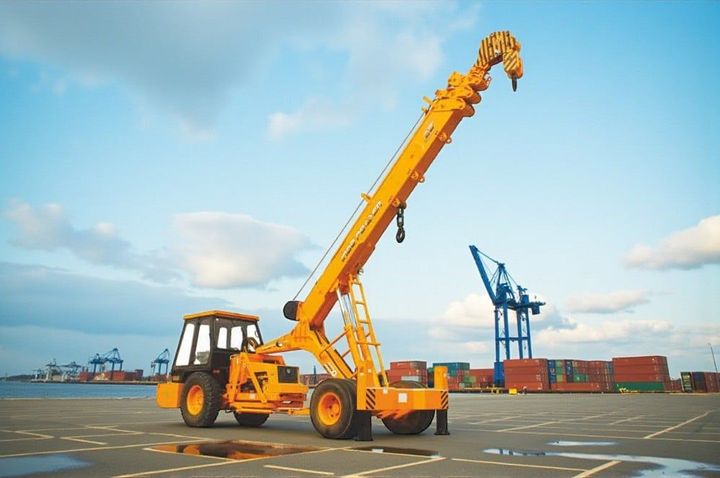
Hydra cranes are versatile mobile lifting machines commonly used for material handling, equipment movement, and construction-related activities. These machines combine mobility and lifting capability, allowing operators to transport and position heavy loads efficiently across work sites.
The term "Hydra crane" is often used to describe hydraulic truck-mounted cranes that utilize hydraulic systems to lift, lower, and move materials. Unlike larger tower cranes or specialized crawler cranes, hydra cranes are known for their flexibility, ease of movement, and suitability for medium-duty lifting applications.
Hydraulic technology plays a central role in the operation of these cranes. Hydraulic pumps, cylinders, and control systems generate the force needed to lift substantial loads while maintaining operational precision. Over the years, hydra cranes have become an important part of construction, infrastructure development, manufacturing facilities, logistics operations, and industrial maintenance projects.
Today, these machines are found in a wide variety of environments where lifting and transportation tasks must be completed efficiently while maintaining workplace safety standards.
Why Hydra Cranes Matter in Modern Industries
Hydra cranes contribute significantly to productivity across multiple sectors. Their mobility allows operators to reposition the crane quickly without requiring extensive setup procedures.
Organizations involved in infrastructure development, industrial construction, manufacturing, warehousing, and transportation often rely on hydraulic lifting equipment to manage heavy materials and machinery.
Some common challenges that hydra cranes help address include:
- Moving heavy construction materials safely
- Positioning industrial equipment accurately
- Reducing manual handling risks
- Improving project efficiency
- Supporting infrastructure development
- Assisting with maintenance operations in industrial facilities
The importance of hydra cranes continues to grow as industries focus on operational efficiency and workplace safety. Their ability to handle diverse lifting tasks makes them valuable assets in projects ranging from building construction to utility installation.
Common Applications of Hydra Cranes
| Industry | Typical Applications |
|---|---|
| Construction | Steel placement, concrete handling, equipment movement |
| Manufacturing | Machinery installation and relocation |
| Logistics | Loading and unloading heavy cargo |
| Energy | Equipment maintenance and infrastructure projects |
| Transportation | Material handling and vehicle recovery support |
| Infrastructure | Bridge, road, and utility construction activities |
Key Components of a Hydra Crane
Understanding the major components of a hydra crane helps explain how these machines function effectively.
| Component | Purpose |
|---|---|
| Hydraulic System | Generates lifting force |
| Boom | Extends reach and lifting capability |
| Operator Cabin | Controls crane functions |
| Counterweights | Improve stability during lifts |
| Chassis | Provides mobility and support |
| Hook Block | Connects and lifts loads |
| Outriggers | Enhance balance and safety |
Each component works together to create a controlled lifting environment capable of handling a variety of operational requirements.
Recent Updates and Industry Trends
The crane industry has experienced several notable developments during 2025 and 2026. Manufacturers and operators are increasingly focusing on safety technologies, automation, digital monitoring, and sustainability improvements.
Some recent trends include:
- Greater adoption of telematics systems for fleet monitoring
- Enhanced load monitoring and overload protection systems
- Increased use of predictive maintenance software
- Improved fuel-efficiency technologies
- Growth in operator training programs supported by digital platforms
- Integration of sensor-based safety systems
The expansion of infrastructure projects in many regions throughout 2025 has also contributed to increased demand for mobile lifting equipment. Industry discussions have increasingly emphasized accident prevention, operator certification, and equipment inspection standards.
Technology Adoption Trends
Digital Monitoring Adoption
2022  ████ 20%
2023  ██████ 30%
2024  █████████ 45%
2025  ████████████ 60%
2026  ██████████████ 70%*
*Industry trend estimates based on market reports and technology adoption patterns
Another emerging trend is the use of data analytics to improve crane utilization and maintenance planning. Operators can now monitor equipment performance in near real time, helping reduce downtime and improve operational efficiency.
Safety Considerations for Hydra Crane Operations
Safety remains one of the most important aspects of crane operations.
Before any lifting activity begins, operators and supervisors typically evaluate:
- Load weight
- Ground conditions
- Weather conditions
- Lift path clearance
- Equipment condition
- Communication procedures
Common safety practices include:
- Conducting pre-operation inspections
- Following load chart guidelines
- Maintaining safe distances from power lines
- Using trained operators
- Inspecting lifting accessories regularly
- Monitoring weather conditions continuously
Organizations that prioritize safety often experience fewer workplace incidents and improved operational reliability.
Regulations, Standards, and Government Policies
Hydra crane operations are influenced by various workplace safety regulations, equipment standards, and transportation requirements.
Depending on the country, regulations may address:
- Operator certification requirements
- Equipment inspection schedules
- Occupational safety standards
- Load handling procedures
- Maintenance documentation
- Transportation and road-use regulations
Many governments require employers to maintain safe working environments through occupational health and safety programs. These requirements often include risk assessments, operator training, equipment inspections, and incident reporting procedures.
Common regulatory focus areas include:
| Regulatory Area | Purpose |
|---|---|
| Workplace Safety | Reduce accidents and injuries |
| Equipment Inspection | Ensure mechanical reliability |
| Operator Competency | Improve safe crane operation |
| Load Management | Prevent overload incidents |
| Maintenance Records | Support compliance and accountability |
International standards organizations and engineering bodies also publish technical guidelines that influence crane design, manufacturing, and operation practices.
As safety expectations continue to evolve, organizations increasingly adopt documented procedures and digital compliance systems to support regulatory requirements.
Helpful Tools and Resources
A variety of digital tools and resources can help professionals, students, and organizations better understand crane operations.
Useful resources include:
- Load capacity calculators
- Crane inspection checklists
- Equipment maintenance tracking software
- Fleet telematics platforms
- Safety training portals
- Digital risk assessment templates
- Engineering reference guides
- Construction project management software
Educational Resources
Helpful learning resources often cover topics such as:
- Hydraulic crane fundamentals
- Load chart interpretation
- Rigging principles
- Workplace safety practices
- Preventive maintenance planning
- Equipment inspection procedures
Common High-Value Industry Topics
Readers frequently explore related subjects including:
- Hydraulic crane safety regulations
- Mobile crane inspection requirements
- Industrial lifting equipment standards
- Construction equipment compliance
- Fleet management software
- Predictive maintenance systems
- Heavy equipment operator training
- Infrastructure equipment technology
- Industrial safety management
- Construction risk assessment
These topics remain relevant because they contribute to operational efficiency, safety performance, and regulatory compliance.
Frequently Asked Questions
What is a hydra crane?
A hydra crane is a mobile hydraulic lifting machine designed to move, position, and handle heavy materials. It combines lifting capability with mobility, making it useful across construction, industrial, and logistics environments.
How does a hydra crane work?
A hydra crane uses hydraulic pressure generated by pumps and cylinders to lift and move loads. Operators control the hydraulic system through specialized controls located in the cabin.
What industries commonly use hydra cranes?
Hydra cranes are widely used in construction, manufacturing, logistics, transportation, infrastructure development, energy projects, and industrial maintenance operations.
Why are load charts important?
Load charts help operators determine safe lifting limits based on factors such as boom length, lifting radius, and crane configuration. Following load charts helps reduce overload risks.
What are the main safety concerns during crane operations?
Key concerns include overloading, unstable ground conditions, power line contact, poor communication, inadequate inspections, and adverse weather conditions. Proper planning and operator training help reduce these risks.
How often should hydra cranes be inspected?
Inspection schedules vary according to regulations, operating conditions, and manufacturer recommendations. Daily checks, periodic inspections, and documented maintenance programs are commonly used to support safe operations.
Conclusion
Hydra cranes play an important role in modern construction, industrial operations, infrastructure projects, and material handling activities. Their combination of mobility and hydraulic lifting capability allows organizations to move heavy loads efficiently while supporting productivity goals.
Recent developments in digital monitoring, predictive maintenance, and safety technology continue to improve how these machines are managed and operated. At the same time, regulations and workplace safety standards encourage responsible operation, equipment inspections, and operator competency.
Understanding hydraulic crane systems, safety practices, regulatory requirements, and emerging industry trends can help individuals gain a clearer view of how this equipment contributes to today's industrial and infrastructure environments. As technology continues to evolve, hydra cranes are expected to remain a vital part of lifting and material-handling operations across many sectors worldwide.