LASIK Eye Surgery Equipment Explained: Explore Guide, Basics, Tips, Insights, Knowledge, Facts, and Helpful Resources
LASIK (Laser-Assisted In Situ Keratomileusis) is a widely known vision correction procedure that helps address common refractive errors such as myopia, hyperopia, and astigmatism. The procedure relies on advanced ophthalmology technology designed to reshape the cornea and improve how light focuses on the retina.
LASIK eye surgery equipment refers to the collection of specialized medical devices, laser systems, imaging tools, and diagnostic instruments used before, during, and after laser vision correction procedures. These technologies are designed to support precision, safety, and clinical decision-making.
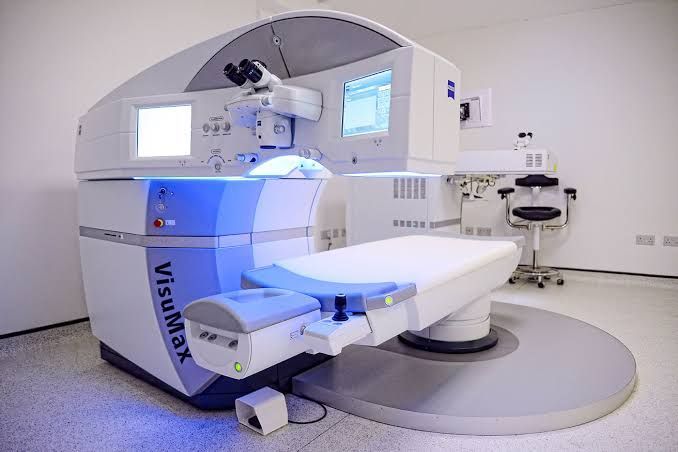
Modern laser eye surgery technology combines diagnostic imaging, corneal mapping, eye-tracking systems, and excimer laser platforms. Together, these tools help eye care professionals evaluate patient eligibility and perform highly accurate corneal reshaping procedures.
The development of advanced ophthalmic equipment has transformed refractive surgery over the past several decades. Today's systems use sophisticated software, digital imaging, and real-time tracking technologies to support improved treatment planning and procedural accuracy.
Why LASIK Equipment Matters Today
Vision correction technology continues to play an important role in modern eye care. Millions of people worldwide experience refractive errors that affect daily activities such as reading, driving, studying, and using digital devices.
Advanced LASIK equipment helps address several challenges in eye care:
- Improved measurement of corneal characteristics
- Enhanced treatment planning accuracy
- Better visualization of eye structures
- Reduced dependence on manual calculations
- Increased procedural consistency
- Comprehensive patient assessment
The technology is relevant to various groups, including:
- Adults with refractive vision conditions
- Eye care professionals
- Ophthalmology clinics and hospitals
- Medical technology researchers
- Healthcare educators and students
The growing use of digital screens and changing visual demands have increased interest in vision correction technologies. As a result, ophthalmic laser systems and diagnostic imaging platforms continue to evolve.
Common Types of LASIK Eye Surgery Equipment
The LASIK process typically involves multiple categories of equipment.
| Equipment Type | Primary Function |
|---|---|
| Corneal Topographer | Maps the shape and curvature of the cornea |
| Wavefront Analyzer | Measures optical imperfections |
| Optical Biometer | Collects eye measurements |
| Femtosecond Laser | Creates a corneal flap |
| Excimer Laser | Reshapes corneal tissue |
| Eye Tracking System | Monitors eye movement during treatment |
| Diagnostic Imaging Device | Evaluates eye health and structure |
Corneal topography systems generate detailed maps of the corneal surface. These maps help identify irregularities and support treatment planning.
Wavefront-guided technology measures higher-order aberrations that may affect visual quality. This information can contribute to personalized treatment approaches.
Femtosecond laser systems use ultrafast laser pulses to create precise corneal flaps. Many modern procedures rely on this technology because of its accuracy and predictability.
Excimer laser platforms reshape the cornea by removing microscopic amounts of tissue according to a treatment plan. These systems represent one of the most important components of LASIK technology.
Key Features Found in Modern Laser Vision Correction Systems
Today's ophthalmic laser equipment includes several advanced capabilities:
- Real-time eye tracking
- Automated treatment planning
- Digital imaging integration
- Corneal thickness measurement
- Wavefront-guided analysis
- Artificial intelligence-assisted diagnostics
- Enhanced laser precision controls
These features help support consistent treatment delivery while providing clinicians with detailed diagnostic information.
Recent Updates and Trends in LASIK Technology
The field of refractive surgery technology continues to advance. During 2025 and 2026, several trends have received attention across the ophthalmology industry.
Artificial intelligence has become increasingly integrated into diagnostic platforms. AI-assisted systems can analyze corneal data, identify patterns, and support clinical evaluations.
High-resolution corneal imaging technology has continued to improve, allowing clinicians to capture more detailed information about eye structures.
Many manufacturers have expanded the use of cloud-connected software platforms that facilitate data management, treatment planning, and equipment monitoring.
Another notable trend is the continued refinement of eye-tracking technology. Modern systems can track eye movements at extremely high speeds, helping maintain laser alignment throughout procedures.
The following chart illustrates general technology priorities observed across recent ophthalmology equipment developments.
| Technology Area | Industry Focus Level |
|---|---|
| AI Diagnostics | High |
| Corneal Imaging | High |
| Eye Tracking | High |
| Data Integration | Medium-High |
| Workflow Automation | Medium-High |
| Remote Monitoring | Medium |
Research institutions and ophthalmology organizations have also continued studying long-term visual outcomes, corneal biomechanics, and treatment personalization methods throughout 2025 and early 2026.
Safety and Quality Considerations
Safety remains a major focus in laser eye surgery technology.
Before any procedure, comprehensive diagnostic testing is typically performed to evaluate:
- Corneal thickness
- Corneal shape
- Tear film quality
- Refractive error measurements
- Overall eye health
Modern equipment often includes built-in safety mechanisms such as:
- Automated calibration systems
- Laser energy monitoring
- Eye movement tracking
- Treatment verification software
- Environmental monitoring controls
Regular maintenance, software updates, and quality assurance protocols are important aspects of equipment management within ophthalmology settings.
Laws, Regulations, and Policy Considerations
LASIK eye surgery equipment is generally regulated as a medical device. Regulatory requirements vary by country, but most healthcare systems apply standards related to safety, effectiveness, manufacturing quality, and clinical performance.
Common regulatory areas include:
- Medical device approval processes
- Equipment performance testing
- Clinical evidence requirements
- Quality management systems
- Software validation standards
- Patient safety regulations
Many countries require laser systems and ophthalmic diagnostic devices to comply with medical device frameworks before they can be used in clinical settings.
Healthcare authorities often monitor:
- Device certification
- Adverse event reporting
- Equipment maintenance standards
- Clinical documentation requirements
- Operator training guidelines
International standards organizations also publish technical standards related to laser safety, medical electrical equipment, and risk management practices.
These regulations help ensure that ophthalmology technology meets established safety and quality expectations.
Helpful Tools and Resources
Individuals interested in learning more about laser vision correction technology can explore various educational resources.
Useful resources include:
- Ophthalmology education websites
- Vision correction information portals
- Medical device regulatory databases
- Clinical research repositories
- Eye health awareness organizations
- Medical technology journals
Helpful digital tools may include:
- Vision assessment calculators
- Corneal mapping simulators
- Medical terminology reference tools
- Scientific literature databases
- Ophthalmology learning platforms
| Resource Category | Purpose |
|---|---|
| Medical Research Databases | Access clinical studies |
| Regulatory Databases | Review device information |
| Ophthalmology Journals | Learn about innovations |
| Educational Platforms | Understand eye health concepts |
| Vision Simulation Tools | Visualize refractive errors |
When reviewing information, it is helpful to use reputable educational and scientific sources that provide evidence-based content.
Frequently Asked Questions
What is the main purpose of LASIK eye surgery equipment?
LASIK equipment is designed to support the evaluation and treatment of refractive vision conditions. It includes diagnostic systems, imaging devices, and laser platforms that assist with corneal reshaping procedures.
What is an excimer laser?
An excimer laser is a specialized ultraviolet laser used to reshape the cornea with high precision. It removes microscopic amounts of tissue according to a planned treatment profile.
Why is corneal mapping important?
Corneal mapping provides detailed information about the shape and characteristics of the cornea. This data helps clinicians assess suitability and develop individualized treatment plans.
How does eye-tracking technology work?
Eye-tracking systems monitor eye movements during laser treatment. If movement occurs, the system can adjust laser positioning to help maintain treatment accuracy.
Are LASIK diagnostic devices different from treatment lasers?
Yes. Diagnostic devices are used to measure and evaluate the eye before treatment, while treatment lasers perform the corneal reshaping portion of the procedure.
What role does artificial intelligence play in modern ophthalmology equipment?
Artificial intelligence can assist with image analysis, pattern recognition, diagnostic support, and treatment planning. AI tools are increasingly being incorporated into advanced ophthalmic technology platforms.
Conclusion
LASIK eye surgery equipment represents a sophisticated combination of laser technology, diagnostic imaging, corneal mapping systems, and digital analysis tools. These technologies have become important components of modern vision correction procedures and continue to evolve through advancements in artificial intelligence, imaging quality, software integration, and treatment precision.
Understanding how ophthalmic laser systems, corneal topography devices, wavefront analyzers, and eye-tracking technologies function can help readers gain a clearer view of the science behind laser vision correction. As research and innovation continue, LASIK technology is expected to remain an important area within ophthalmology, supporting ongoing developments in eye care, refractive surgery, and medical device technology.