Jump to a Chapter

Labeling Machines Explained: Explore Guide, Basics, Information, Details, and Expert Insights

Labeling Machines Explained: Explore Guide, Basics, Information, Details, and Expert Insights

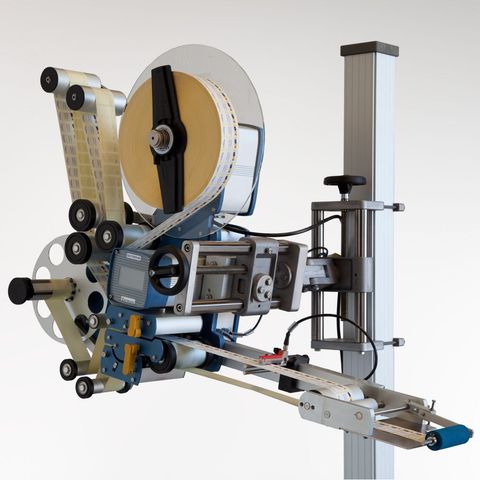
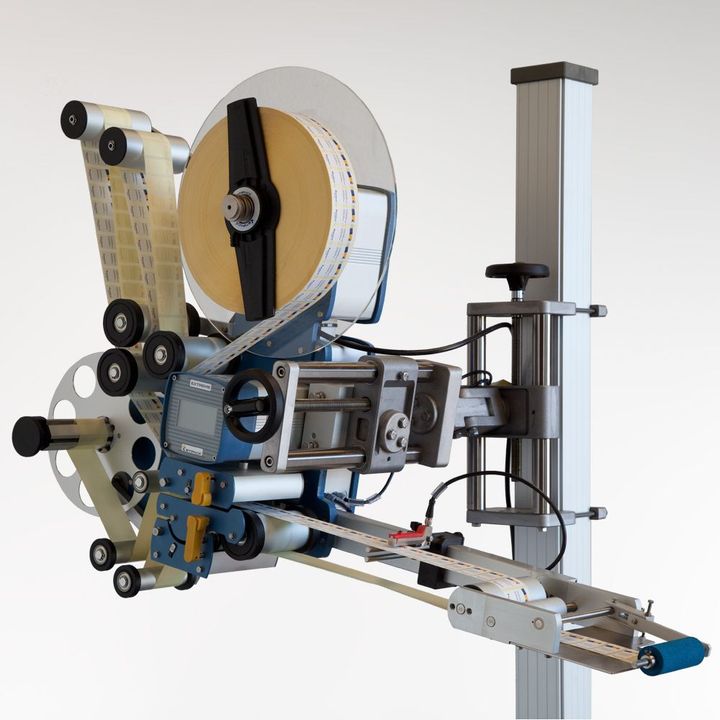
Labeling machines are industrial devices designed to apply labels to products, packages, containers, and other materials during manufacturing and packaging processes. They help businesses identify products, display required information, improve traceability, and maintain consistency across production lines.

As manufacturing industries expanded and product regulations became more detailed, manual labeling methods became difficult to manage efficiently. Labeling machines emerged as a practical solution to support higher production volumes while improving accuracy and standardization.

Today, labeling equipment is used across numerous sectors, including food processing, pharmaceuticals, consumer goods, logistics, electronics, chemical manufacturing, and industrial packaging. Modern systems can apply labels containing product information, serial numbers, barcodes, QR codes, compliance markings, and tracking details.

Basic Types of Labeling Machines

Different industries use different labeling technologies depending on product shape, packaging material, and production requirements.

Labeling Machine TypeCommon Application
Pressure-Sensitive LabelersBottles, containers, cartons
Wrap-Around LabelersCylindrical products
Front and Back LabelersConsumer packaged goods
Print-and-Apply SystemsLogistics and shipping
Sleeve Labeling MachinesBeverage and cosmetic packaging
Top and Bottom LabelersBoxes and trays

Each type is designed to support specific packaging formats while maintaining label placement accuracy and production efficiency.

Why Labeling Machines Matter in Modern Manufacturing

Labeling has become a critical component of modern production environments. Products often require detailed information regarding ingredients, safety instructions, tracking numbers, manufacturing dates, and regulatory disclosures.

Automated labeling systems help organizations:

  • Improve production consistency
  • Reduce labeling errors
  • Support inventory management
  • Enable barcode and QR code tracking
  • Improve product traceability
  • Meet packaging compliance requirements
  • Enhance operational efficiency

The increasing use of digital supply chains and automated warehouses has further increased the importance of accurate labeling systems.

Industries That Depend on Labeling Technology

Many sectors rely heavily on labeling equipment because accurate identification affects safety, logistics, and regulatory compliance.

Common examples include:

  • Pharmaceutical manufacturing
  • Food and beverage processing
  • Medical device production
  • Electronics manufacturing
  • Chemical processing
  • Retail distribution centers
  • Automotive component manufacturing
  • Consumer goods packaging

In highly regulated industries, labeling errors can create operational disruptions and compliance challenges, making reliable equipment especially important.

How Labeling Machines Support Product Traceability

Traceability refers to the ability to track products throughout the supply chain. Modern labeling systems often integrate with enterprise software, barcode scanners, and production databases.

The process typically involves:

  1. Product identification
  2. Data generation
  3. Label printing
  4. Label application
  5. Barcode verification
  6. Database tracking

The following simplified flow illustrates this process:

Production StageLabeling Function
ManufacturingProduct identification
PackagingLabel application
Quality ControlVerification checks
WarehousingBarcode tracking
DistributionShipment monitoring
RetailProduct information access

This workflow helps improve transparency and operational visibility throughout the product lifecycle.

Trends and Developments in Labeling Technology

Recent developments have focused on automation, sustainability, and digital integration.

Throughout 2025 and 2026, manufacturers continued investing in smart factory technologies that connect labeling equipment with production management systems. Industry reports and automation conferences during this period highlighted increased adoption of Industrial Internet of Things (IIoT) solutions, machine vision inspection systems, and cloud-connected production monitoring.

Several notable trends include:

  • Increased use of AI-assisted quality inspection
  • Growth of digital printing technologies
  • Expansion of QR code-based product information
  • Greater integration with manufacturing execution systems
  • Improved machine vision verification
  • Focus on recyclable and sustainable label materials
  • Adoption of smart packaging technologies

Another important trend is the rise of serialization systems, particularly in industries requiring product authentication and anti-counterfeiting measures.

Sustainability and Environmental Considerations

Manufacturers increasingly evaluate packaging processes from an environmental perspective. Labeling equipment has adapted to support sustainability goals through improved material efficiency and reduced waste generation.

Examples include:

  • Reduced adhesive consumption
  • Lightweight label materials
  • Recyclable packaging compatibility
  • Digital inventory tracking
  • Waste reduction initiatives

Organizations are also exploring linerless labels and eco-friendly packaging solutions that align with broader environmental objectives.

Regulatory and Policy Considerations

Labeling requirements often depend on product category, industry, and jurisdiction. Governments and regulatory authorities establish rules to ensure that consumers and businesses receive accurate product information.

Common regulatory areas include:

  • Product identification requirements
  • Safety warnings
  • Ingredient disclosure
  • Manufacturing information
  • Traceability documentation
  • Barcode standards
  • Environmental labeling requirements

For pharmaceutical and medical products, serialization and traceability regulations have become increasingly important. Many jurisdictions require manufacturers to maintain detailed product tracking records throughout distribution networks.

Food manufacturers must often comply with nutritional disclosure requirements, allergen labeling standards, and packaging information regulations.

In logistics and transportation, barcode labeling standards established by organizations such as GS1 influence how products are identified and tracked globally.

Compliance Challenges

Organizations frequently encounter challenges related to:

  • Changing regulatory requirements
  • Multi-country packaging standards
  • Label content accuracy
  • Language requirements
  • Data management consistency
  • Product serialization

Modern labeling systems help reduce these challenges by automating information management and supporting standardized workflows.

Helpful Tools and Resources

A variety of tools and resources support labeling operations and packaging management.

Tool CategoryPurpose
Barcode GeneratorsCreate barcode identifiers
QR Code PlatformsGenerate digital product codes
Label Design SoftwareCreate label layouts
Packaging Compliance DatabasesTrack regulatory requirements
Manufacturing Execution SystemsProduction monitoring
Quality Inspection SoftwareVerification processes
Inventory Management PlatformsProduct tracking
GS1 ResourcesBarcode standards guidance

Useful resource categories include:

  • Industrial automation documentation
  • Packaging engineering references
  • Barcode standard guidelines
  • Manufacturing compliance resources
  • Supply chain management tools
  • Product traceability frameworks

These resources help organizations improve labeling accuracy and maintain operational consistency.

Future Outlook for Labeling Equipment

The future of labeling technology is closely connected to industrial automation and digital manufacturing initiatives.

Expected developments include:

  • Increased machine learning integration
  • Real-time production analytics
  • Advanced vision inspection systems
  • Enhanced traceability capabilities
  • Expanded smart packaging applications
  • Greater software connectivity
  • Improved sustainability-focused designs

As manufacturing environments continue adopting Industry 4.0 principles, labeling systems will likely become more intelligent, connected, and data-driven.

Frequently Asked Questions

What is a labeling machine?

A labeling machine is equipment used to apply labels to products, packages, containers, or materials during manufacturing and packaging operations. It helps ensure accurate product identification and information display.

Which industries use labeling machines most frequently?

Industries such as food processing, pharmaceuticals, consumer goods, electronics, logistics, and chemical manufacturing commonly use labeling systems because product identification and traceability are important operational requirements.

What information can labels contain?

Labels may include product names, barcodes, QR codes, batch numbers, manufacturing dates, safety information, ingredients, serial numbers, and regulatory details.

How do labeling machines improve efficiency?

Automated labeling reduces manual handling, improves consistency, supports faster production speeds, and helps minimize labeling errors across manufacturing processes.

Why are barcode and QR code labels important?

Barcodes and QR codes support inventory management, product tracking, supply chain visibility, and consumer access to digital product information.

Are labeling machines part of industrial automation?

Yes. Modern labeling systems are often integrated with automated production lines, quality control systems, enterprise software platforms, and warehouse management systems.

Conclusion

Labeling machines play an important role in modern manufacturing, packaging, and supply chain operations. They support product identification, traceability, compliance, and operational efficiency across a wide range of industries. As digital manufacturing technologies continue evolving, labeling equipment is becoming increasingly integrated with automation platforms, data management systems, and smart factory initiatives.

Recent developments in machine vision, barcode technology, QR code applications, and sustainable packaging have expanded the capabilities of modern labeling systems. By supporting accuracy, consistency, and regulatory compliance, labeling machines remain a key component of contemporary industrial operations and global supply chains.

author-image

Harshit Sharma

We are a performance-driven media buying team focused on scaling brands through smart, data-backed advertising strategies

July 23, 2026 . 8 min read