Operating Room Lights Explained: Explore Guide, Basics, Tips, Insights, Knowledge, Facts, and Helpful Resources
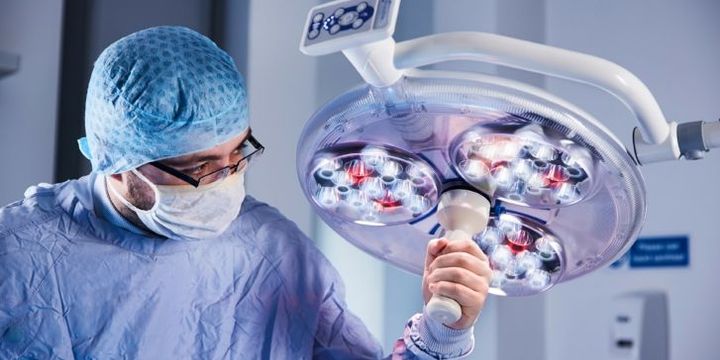
Operating room lights are specialized medical illumination systems designed to provide bright, focused, and shadow-minimized lighting during surgical procedures. These lighting systems help medical teams clearly visualize tissues, organs, blood vessels, and surgical instruments throughout an operation.
The development of operating room lighting emerged from the growing need for precision in healthcare environments. Traditional room lighting often created shadows, glare, or uneven illumination that could interfere with surgical accuracy. Modern surgical lighting systems were created to overcome these challenges and support safer medical procedures.
Today's operating room lights commonly use advanced LED technology, adjustable brightness controls, color temperature management, and intelligent positioning systems. They are designed to maintain consistent illumination while minimizing heat generation and energy consumption.
Key Components of Modern Operating Room Lights
| Component | Purpose |
|---|---|
| LED Light Source | Provides bright and efficient illumination |
| Suspension Arm | Allows flexible positioning |
| Control Panel | Adjusts brightness and settings |
| Light Head | Directs illumination to the surgical site |
| Backup Power System | Maintains operation during power interruptions |
| Camera Integration | Supports recording and teaching activities |
Why Operating Room Lights Matter
Healthcare facilities rely on high-quality surgical lighting to support accurate diagnosis, treatment, and surgical outcomes. Visibility remains one of the most critical elements in modern operating environments.
Proper illumination can help reduce visual fatigue among surgeons and clinical staff during lengthy procedures. Consistent lighting also improves the ability to distinguish tissue structures, enhancing procedural precision.
Several healthcare sectors benefit from operating room lighting systems:
- Hospitals
- Surgical centers
- Trauma facilities
- Teaching institutions
- Specialty clinics
- Research medical centers
The importance of surgical lighting has increased alongside advancements in minimally invasive surgery, robotic-assisted procedures, and image-guided interventions. These techniques often require highly controlled illumination conditions.
Common Challenges Addressed by Operating Room Lights
| Challenge | Lighting Solution |
|---|---|
| Shadows from personnel | Multi-source LED arrays |
| Heat generation | Energy-efficient LED technology |
| Uneven illumination | Adjustable light distribution |
| Eye strain | Optimized color rendering |
| Limited visibility | High-intensity focused lighting |
| Equipment interference | Flexible positioning systems |
Essential Features to Understand
Healthcare technology professionals frequently evaluate operating room lights based on several performance indicators.
Illuminance
Illuminance refers to the amount of light reaching the surgical field. Higher illuminance levels support detailed visualization without compromising comfort.
Color Rendering Index (CRI)
CRI measures how accurately colors appear under artificial lighting. A high CRI helps surgeons distinguish between different tissue types more effectively.
Color Temperature
Color temperature influences how warm or cool the light appears. Modern systems often allow adjustment based on procedural requirements.
Shadow Management
Advanced light heads use multiple light sources to reduce shadows created by surgeons, equipment, or instruments.
Depth Illumination
Depth illumination helps maintain visibility within deep surgical cavities where standard lighting may be less effective.
Recent Updates and Industry Trends
The operating room lighting sector has experienced notable technological developments during 2025 and 2026.
Healthcare facilities have increasingly adopted smart LED surgical lighting systems featuring sensor-based controls and automated positioning capabilities. These systems can help optimize lighting conditions during complex procedures.
Artificial intelligence integration has also become an emerging trend. Several manufacturers introduced intelligent lighting platforms capable of adjusting brightness and beam focus based on procedural requirements throughout 2025.
Another significant development involves enhanced camera integration. Many new surgical lights now include high-definition and ultra-high-definition imaging support for medical education, remote collaboration, and procedure documentation.
Energy efficiency initiatives continued to influence healthcare infrastructure upgrades during 2025. Hospitals have increasingly replaced older halogen-based systems with LED solutions to improve sustainability and reduce operational energy consumption.
Healthcare technology reports published throughout 2025 also highlighted growing interest in connected operating rooms, where lighting systems communicate with imaging devices, displays, and surgical management platforms.
Evolution of Surgical Lighting Technology
Traditional Bulbs
        ↓
Halogen Systems
        ↓
LED Surgical Lights
        ↓
Smart LED Platforms
        ↓
Connected Operating Rooms
        ↓
AI-Assisted Lighting Systems
Regulatory Considerations and Healthcare Policies
Operating room lights are subject to various healthcare regulations, safety standards, and quality requirements. These frameworks help ensure consistent performance and patient safety.
Medical lighting equipment typically falls under medical device regulations in many countries. Manufacturers must demonstrate compliance with safety, performance, and electromagnetic compatibility requirements before products can enter healthcare environments.
Common regulatory areas include:
- Electrical safety standards
- Medical device quality systems
- Infection control requirements
- Electromagnetic compatibility standards
- Risk management procedures
- Clinical performance validation
Healthcare accreditation programs often evaluate operating room infrastructure, including surgical lighting systems, as part of broader patient safety assessments.
Many governments and healthcare authorities also encourage energy-efficient technologies within healthcare facilities. LED surgical lighting aligns with these objectives due to lower energy consumption and longer operational lifespan.
Healthcare Technology Standards Overview
| Area | Focus |
|---|---|
| Safety Standards | Electrical and operational safety |
| Quality Systems | Manufacturing consistency |
| Risk Management | Hazard identification and mitigation |
| Performance Testing | Illumination verification |
| Environmental Standards | Energy efficiency and sustainability |
| Infection Prevention | Cleanability and contamination control |
Helpful Tools and Resources
Several tools and resources can assist healthcare professionals, facility planners, and students in understanding operating room lighting systems.
Medical Device Documentation Platforms
These resources provide technical specifications, maintenance guidance, and compliance information.
Lighting Design Software
Healthcare facility planners use specialized lighting simulation tools to evaluate illumination requirements before installation.
Healthcare Engineering Resources
Engineering organizations publish guidance on surgical suite infrastructure and lighting best practices.
Energy Efficiency Calculators
Hospitals may use energy assessment tools to compare different lighting technologies and estimate long-term operational impacts.
Clinical Training Platforms
Educational resources often include modules covering surgical environment design, lighting principles, and operating room workflows.
Useful Evaluation Checklist
When assessing operating room lighting systems, professionals often consider:
- Brightness performance
- Color rendering capability
- Shadow reduction effectiveness
- Energy efficiency
- Ease of positioning
- Maintenance requirements
- Integration capabilities
- Durability
- Safety compliance
- Backup power compatibility
Frequently Asked Questions
What is the primary purpose of operating room lights?
Operating room lights provide bright, focused illumination that helps surgeons and healthcare teams clearly view anatomical structures during medical procedures. Their design minimizes shadows and supports procedural accuracy.
Why are LED operating room lights widely used today?
LED technology offers high brightness, reduced heat generation, lower energy consumption, longer lifespan, and improved color rendering compared with older lighting technologies.
How do operating room lights reduce shadows?
Modern surgical lights use multiple LED sources arranged strategically within the light head. This design allows light to reach the surgical field from various angles, reducing shadow formation.
What does Color Rendering Index (CRI) mean?
CRI measures how accurately colors appear under a light source. Higher CRI values help surgeons distinguish tissues and anatomical structures more effectively during procedures.
Are operating room lights regulated?
Yes. Surgical lighting systems must comply with medical device regulations, electrical safety requirements, quality standards, and healthcare performance guidelines established by regulatory authorities.
Can operating room lights be integrated with digital systems?
Many modern systems support integration with cameras, displays, imaging platforms, and connected operating room technologies, enabling documentation, training, and collaborative healthcare activities.
Key Facts at a Glance
| Fact | Details |
|---|---|
| Main Function | Surgical illumination |
| Common Technology | LED lighting |
| Key Benefit | Enhanced visibility |
| Important Metric | Color Rendering Index |
| Energy Trend | Increased LED adoption |
| Smart Feature | Automated brightness control |
| Integration Trend | Connected operating rooms |
| Regulatory Status | Subject to medical device standards |
Conclusion
Operating room lights play a vital role in modern healthcare by providing precise, reliable illumination during surgical procedures. From their early beginnings to today's intelligent LED systems, surgical lighting technology has evolved significantly to support patient safety, clinical accuracy, and operational efficiency.
Recent developments in smart controls, connected operating rooms, artificial intelligence integration, and energy-efficient LED technology continue to shape the future of surgical environments. Understanding the fundamentals of operating room lights—including illuminance, color rendering, shadow management, and regulatory requirements—helps healthcare professionals, students, and facility planners appreciate their importance within modern medical practice.
As healthcare technology continues to advance, operating room lighting systems are expected to become even more integrated, intelligent, and supportive of increasingly sophisticated surgical procedures.