Table of Contents

Digital X-Ray Systems: Explore Guide, Basics, Tips, Insights, Knowledge, Facts, and Helpful Resources

Digital X-Ray Systems: Explore Guide, Basics, Tips, Insights, Knowledge, Facts, and Helpful Resources

Digital X-ray systems are modern medical imaging technologies that capture images of the inside of the body using digital sensors instead of traditional photographic film. These systems were developed to improve image quality, speed up diagnosis, and enhance the overall efficiency of healthcare imaging workflows.


For many years, film-based radiography was the standard method for capturing X-ray images. While effective, it required physical film processing and storage. Digital radiography introduced electronic image capture, allowing healthcare professionals to view, store, and share images almost instantly.

Digital X-ray systems are widely used in hospitals, diagnostic centers, emergency departments, dental clinics, orthopedic practices, and specialized medical facilities. They help healthcare providers evaluate bones, joints, lungs, and various internal structures with greater convenience and accuracy.

How Digital X-Ray Systems Work

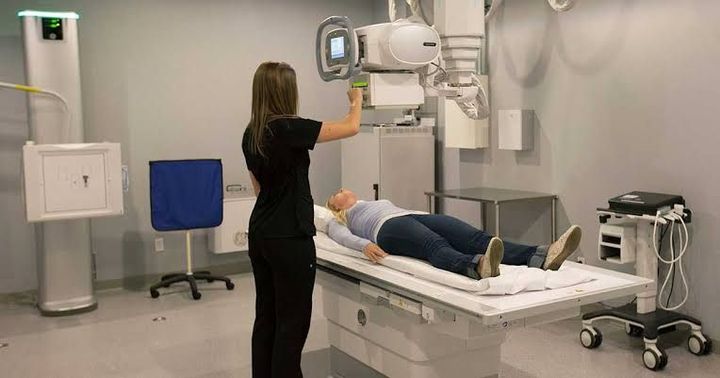
The process begins when X-rays pass through a patient's body. Different tissues absorb varying amounts of radiation, creating contrast within the image. Digital detectors capture this information and convert it into electronic signals.

The system then processes the data using advanced imaging software, producing high-resolution images that can be viewed on computer monitors. These images can be enhanced, enlarged, adjusted for contrast, and stored electronically for future reference.

Common Components of Digital X-Ray Systems

ComponentFunction
X-Ray GeneratorProduces X-ray radiation
Digital DetectorCaptures image data
Imaging SoftwareProcesses and enhances images
WorkstationAllows image viewing and analysis
Storage SystemArchives patient imaging records
Network IntegrationEnables secure image sharing

Why Digital X-Ray Systems Matter Today

Digital X-ray technology plays an important role in modern healthcare because timely diagnosis often influences treatment decisions and patient outcomes.

Healthcare providers use digital radiography to identify fractures, monitor chronic conditions, detect infections, assess lung diseases, and evaluate injuries. The ability to obtain images quickly is especially valuable in emergency situations.

Several factors contribute to the growing importance of digital X-ray systems:

• Faster image acquisition and review

• Improved workflow efficiency in healthcare facilities

• Enhanced image quality and diagnostic support

• Reduced need for physical film storage

• Easier integration with electronic health records

• Improved collaboration among medical specialists

The technology benefits patients, physicians, radiologists, healthcare administrators, and public health organizations by supporting more efficient diagnostic processes.

Benefits and Challenges

BenefitsChallenges
Rapid image availabilityInitial implementation complexity
Electronic storageData security requirements
Enhanced image processingStaff training needs
Easier image sharingTechnology maintenance
Better workflow managementSystem integration considerations

Digital X-Ray Systems and Diagnostic Imaging

Diagnostic imaging continues to evolve as healthcare providers seek more accurate and efficient ways to evaluate medical conditions. Digital X-ray systems form a critical foundation of this imaging ecosystem.

These systems often work alongside technologies such as computed tomography (CT), magnetic resonance imaging (MRI), ultrasound, and advanced image management platforms. Together, they contribute to comprehensive patient assessment and care planning.

Digital radiography also supports specialized applications including:

• Orthopedic imaging

• Chest radiography

• Dental diagnostics

• Sports medicine evaluations

• Pediatric imaging

• Preventive health assessments

Recent Updates and Trends

The past year has seen continued advancements in digital radiography and healthcare imaging technologies.

Recent Trend (2025–2026)Impact
Artificial intelligence-assisted image analysisSupports faster image review
Cloud-based imaging platformsImproves accessibility and collaboration
Enhanced detector technologyProduces clearer image quality
Cybersecurity improvementsStrengthens healthcare data protection
Workflow automation toolsReduces administrative burden

Healthcare organizations throughout 2025 and early 2026 have increasingly focused on integrating artificial intelligence into imaging workflows. AI-powered software can assist clinicians by highlighting potential abnormalities for further review.

Cloud-connected imaging systems have also become more common, allowing authorized healthcare teams to access medical images securely across multiple locations.

Another notable trend has been increased attention to cybersecurity standards due to growing concerns about healthcare data protection and digital infrastructure resilience.

Industry discussions during 2025 emphasized interoperability, ensuring that imaging systems can communicate effectively with electronic medical record platforms and other healthcare technologies.

Digital X-Ray Adoption Overview


Healthcare Imaging Technology Adoption

Digital X-Ray Systems ████████████████████ 90%
PACS Integration ██████████████████ 85%
Cloud Imaging Platforms ██████████████ 70%
AI Imaging Tools ███████████ 55%


Illustrative representation of industry trends and technology adoption patterns.

Laws, Regulations, and Policy Considerations

Digital X-ray systems operate within a framework of healthcare regulations, radiation safety requirements, and data protection standards.

Most countries maintain regulations covering:

• Radiation exposure limits

• Equipment quality assurance

• Operator training requirements

• Medical device compliance

• Patient privacy protection

• Healthcare record management

Government health agencies and regulatory authorities typically require routine equipment inspections and performance testing to ensure imaging systems operate safely and effectively.

Healthcare organizations must also comply with data protection laws governing the storage, transmission, and access of patient imaging records. As digital systems become more interconnected, cybersecurity compliance has become increasingly important.

International organizations continue to promote best practices related to radiation protection, image quality standards, and patient safety protocols.

Helpful Tools and Resources

Several tools and resources support the effective use and understanding of digital X-ray systems.

Resource TypePurpose
PACS PlatformsImage storage and retrieval
DICOM ViewersMedical image viewing
Radiology Information SystemsWorkflow management
Radiation Dose Monitoring ToolsSafety tracking
Medical Imaging Education PortalsLearning resources
Healthcare Cybersecurity FrameworksData protection guidance

Useful categories of resources include:

• Medical imaging software platforms

• DICOM image viewers

• Radiology education libraries

• Healthcare technology publications

• Radiation safety guidelines

• Digital health interoperability resources

• Clinical imaging reference materials

These resources help healthcare professionals improve imaging workflows, maintain compliance, and stay informed about technological developments.

Key Facts About Digital X-Ray Systems

• Digital radiography has largely replaced film-based imaging in many healthcare settings.

• Images can often be reviewed within seconds after acquisition.

• Electronic image storage reduces reliance on physical archives.

• Digital image enhancement tools assist healthcare professionals during evaluation.

• Modern systems integrate with broader healthcare information networks.

• Ongoing innovations focus on image quality, workflow efficiency, and data security.

Frequently Asked Questions

What is a digital X-ray system?

A digital X-ray system is a medical imaging technology that uses electronic detectors to capture X-ray images and convert them into digital files for viewing, analysis, and storage.

How is digital radiography different from traditional film radiography?

Traditional radiography uses photographic film that requires chemical processing. Digital radiography captures images electronically, allowing immediate viewing and digital storage.

Are digital X-ray systems safer?

Digital X-ray systems are designed to follow established radiation safety standards. Proper equipment maintenance, operator training, and regulatory compliance help support safe operation.

Where are digital X-ray systems commonly used?

They are used in hospitals, diagnostic imaging centers, emergency departments, dental practices, orthopedic clinics, and other healthcare facilities.

What role does artificial intelligence play in digital imaging?

Artificial intelligence tools can assist healthcare professionals by identifying image patterns, improving workflow efficiency, and supporting image review processes. Final clinical decisions remain the responsibility of qualified medical professionals.

How are digital X-ray images stored?

Images are typically stored in secure digital archives using Picture Archiving and Communication Systems (PACS), enabling authorized access and long-term record management.

Conclusion

Digital X-ray systems have become a foundational component of modern diagnostic imaging. By replacing traditional film-based processes with digital technology, these systems help healthcare providers obtain, manage, and review medical images more efficiently. Advances in digital radiography, artificial intelligence, cloud connectivity, cybersecurity, and healthcare interoperability continue to shape the future of medical imaging.

As healthcare technology evolves, digital X-ray systems remain essential tools for supporting diagnostic accuracy, patient care, clinical collaboration, and healthcare information management. Understanding their capabilities, regulations, and ongoing developments can help readers gain a clearer view of one of the most important technologies in contemporary medical imaging.


author-image

Harshit Sharma

We are a performance-driven media buying team focused on scaling brands through smart, data-backed advertising strategies

June 29, 2026 . 8 min read