Understanding Dental Implant Equipment: Explanation, Overview, Information, Facts, Expert Insights, and Helpful Resources
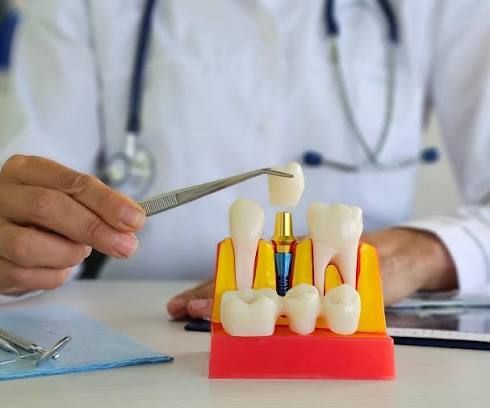
Dental implant equipment refers to the specialized instruments, technologies, and systems used during dental implant procedures. Dental implants are artificial tooth roots that are placed into the jawbone to support replacement teeth. The equipment involved helps dental professionals assess oral conditions, plan treatments, place implants accurately, and monitor healing.
The development of dental implant technology has transformed restorative dentistry by providing a long-term solution for missing teeth. Modern equipment combines digital imaging, surgical guidance systems, implant motors, diagnostic software, and sterilization technologies to improve precision and patient outcomes.
Dental implant procedures involve several stages, and each stage requires specific equipment. Diagnostic tools help evaluate bone density and oral health, while surgical equipment assists in implant placement. Post-procedure monitoring devices support treatment evaluation and follow-up care.
Why Dental Implant Equipment Matters
Dental implant equipment plays a significant role in modern oral healthcare. Missing teeth can affect chewing ability, speech, facial structure, and overall oral function. Advanced implant technologies help address these challenges through accurate diagnosis and treatment planning.
The importance of dental implant equipment can be seen across several areas:
- Improved treatment precision
- Enhanced patient safety
- Better diagnostic accuracy
- Consistent implant positioning
- Reduced procedural complications
- Improved long-term treatment outcomes
Healthcare professionals, dental specialists, oral surgeons, educators, researchers, and healthcare institutions all rely on implant-related technologies to support clinical decision-making.
The growing aging population and increasing awareness of oral health have contributed to wider adoption of dental implant procedures globally. As a result, demand for advanced dental imaging systems, digital dentistry platforms, implant planning software, and surgical navigation tools continues to increase.
Common Types of Dental Implant Equipment
| Equipment Type | Purpose |
|---|---|
| Cone Beam Computed Tomography (CBCT) Systems | Provides detailed 3D images of oral structures |
| Intraoral Scanners | Creates digital impressions of teeth and gums |
| Implant Motors | Controls drilling speed and torque during surgery |
| Surgical Kits | Contains drills, guides, and implant placement tools |
| Guided Surgery Systems | Assists with precise implant positioning |
| Digital Treatment Planning Software | Supports implant planning and simulation |
| Sterilization Equipment | Maintains infection control standards |
| Bone Density Assessment Tools | Evaluates implant site suitability |
Key Technologies Used in Modern Implant Dentistry
Recent advances have significantly improved the accuracy and efficiency of implant procedures.
Digital Imaging
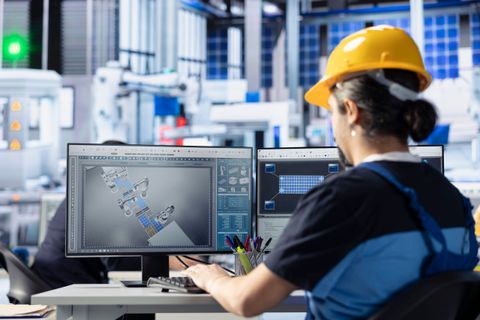
Three-dimensional imaging allows clinicians to visualize bone structures, nerves, and anatomical landmarks before treatment. This helps reduce uncertainty during planning.
Computer-Guided Implant Planning
Digital treatment planning software enables virtual implant placement before surgery. Clinicians can evaluate different placement scenarios and select the most appropriate approach.
Surgical Navigation Systems
Navigation systems provide real-time guidance during implant placement. These technologies can improve accuracy and support complex cases.
Artificial Intelligence Applications
Artificial intelligence is increasingly being used to assist with image analysis, treatment planning, and workflow optimization. AI-supported software can help identify anatomical structures and support clinical assessments.
Recent Updates and Industry Trends
The dental implant equipment sector has experienced several notable developments during 2025 and early 2026.
| Trend | Description |
|---|---|
| AI-Assisted Diagnostics | Increased use of machine learning for treatment planning |
| Digital Workflow Expansion | Greater adoption of fully digital implant procedures |
| Enhanced Surgical Guides | Improved customization and accuracy |
| Cloud-Based Treatment Platforms | Better collaboration and data management |
| Improved Imaging Resolution | Higher-quality diagnostic scans |
| Sustainability Initiatives | Focus on environmentally responsible manufacturing |
Several manufacturers have introduced enhanced implant planning platforms that integrate imaging, scanning, and treatment simulation into a single workflow. These developments aim to improve efficiency and support evidence-based decision-making.
Research published throughout 2025 highlighted the growing role of artificial intelligence in radiographic interpretation and implant planning. Educational institutions have also expanded training programs focused on digital implant dentistry.
Evolution of Dental Implant Technology
The progression of implant equipment can be illustrated through a simplified timeline.
| Period | Major Development |
|---|---|
| 1960s–1980s | Early implant systems and surgical techniques |
| 1990s | Improved implant materials and designs |
| 2000s | Introduction of digital imaging technologies |
| 2010s | Growth of guided surgery systems |
| 2020s | AI integration and digital workflow expansion |
| 2025–2026 | Advanced automation and cloud-connected platforms |
Regulations and Policy Considerations
Dental implant equipment is subject to various regulatory requirements designed to ensure safety, effectiveness, and quality.
Key regulatory areas typically include:
- Medical device approval processes
- Manufacturing quality standards
- Sterilization requirements
- Radiation safety standards
- Clinical documentation requirements
- Professional licensing and training standards
Government health agencies and regulatory authorities generally evaluate dental imaging systems, implant motors, software platforms, and related devices before they can be used in clinical settings.
Healthcare facilities must also follow infection prevention protocols and equipment maintenance requirements. These standards help protect patients and support consistent treatment quality.
Data privacy regulations may also apply when digital imaging systems, cloud-based platforms, and patient management software are used. Organizations must ensure appropriate handling of patient records and diagnostic information.
Helpful Tools and Resources
Dental professionals and students often rely on a variety of educational and technological resources to understand implant procedures and equipment.
Useful categories include:
- Dental implant planning software
- Digital imaging platforms
- Continuing education programs
- Clinical case libraries
- Research databases
- Professional dental associations
- Anatomy learning applications
- Radiation safety calculators
- Treatment documentation templates
- Digital workflow management systems
Educational Resources
Some commonly used learning resources include:
- Peer-reviewed dental journals
- Implant dentistry textbooks
- Online continuing education platforms
- Clinical research publications
- University dental education programs
- Professional conferences and workshops
High-Value Dental Implant Industry Keywords
The following informational keywords are commonly associated with the dental implant equipment field:
| High-Value Keyword | Focus Area |
|---|---|
| Dental Implant Technology | Digital Dentistry |
| CBCT Imaging Systems | Diagnostic Imaging |
| Digital Dental Workflow | Treatment Planning |
| Implant Planning Software | Clinical Software |
| Guided Implant Surgery | Surgical Precision |
| Dental Imaging Solutions | Diagnostics |
| Oral Surgery Technology | Clinical Equipment |
| Dental Sterilization Systems | Infection Control |
| 3D Dental Scanning | Digital Impressions |
| AI Dental Diagnostics | Artificial Intelligence |
| Dental Radiology Equipment | Imaging Technology |
| Implant Navigation Systems | Surgical Guidance |
Frequently Asked Questions
What is dental implant equipment?
Dental implant equipment includes the instruments, imaging systems, software, surgical tools, and support technologies used during implant diagnosis, planning, placement, and follow-up care.
Why are digital imaging systems important in implant procedures?
Digital imaging systems provide detailed views of oral anatomy, helping clinicians evaluate bone structure, identify anatomical landmarks, and improve treatment planning accuracy.
How does guided implant surgery work?
Guided implant surgery uses digital planning software and surgical guides to assist clinicians in placing implants according to a pre-planned position, improving precision and consistency.
What role does artificial intelligence play in implant dentistry?
Artificial intelligence can assist with image interpretation, treatment planning, anatomical identification, workflow management, and clinical decision support.
Are dental implant devices regulated?
Yes. Dental implant equipment is generally regulated as medical technology and must comply with applicable safety, quality, performance, and documentation standards established by relevant authorities.
What skills are needed to use implant equipment effectively?
Dental professionals typically require training in imaging interpretation, digital workflows, surgical techniques, infection control procedures, and equipment operation.
Key Facts About Dental Implant Equipment
| Fact | Explanation |
|---|---|
| Uses Advanced Imaging | Supports detailed diagnosis and planning |
| Supports Digital Dentistry | Integrates scanning, imaging, and software |
| Improves Accuracy | Helps guide implant placement |
| Enhances Documentation | Enables digital treatment records |
| Requires Professional Training | Specialized knowledge is important |
| Continues to Evolve | Technology advances regularly |
Conclusion
Dental implant equipment represents a vital component of modern restorative dentistry. From diagnostic imaging systems and digital scanners to implant planning software and guided surgery technologies, these tools support accurate assessment, treatment planning, and implant placement.
Recent developments in artificial intelligence, digital workflows, cloud-based platforms, and imaging technologies continue to shape the future of implant dentistry. Regulatory standards, professional education, and ongoing technological innovation remain important factors influencing the safe and effective use of these systems.
Understanding dental implant equipment helps patients, students, researchers, and healthcare professionals appreciate the technologies that contribute to modern oral healthcare. As digital dentistry continues to advance, implant-related equipment will likely become even more integrated, precise, and data-driven, supporting improved clinical outcomes and enhanced patient care.