Table of Contents

Water Jet Cutting Machines Explained: Explore Guide, Basics, Tips, Insights, Knowledge, Facts, and Helpful Resources

Water Jet Cutting Machines Explained: Explore Guide, Basics, Tips, Insights, Knowledge, Facts, and Helpful Resources

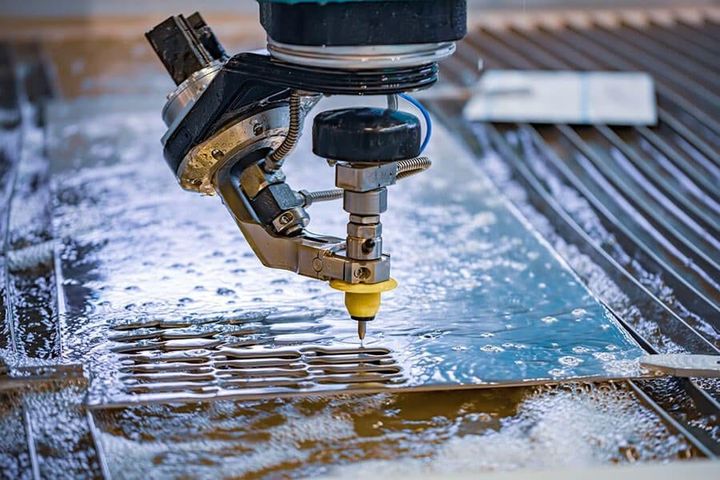
Water jet cutting machines are advanced industrial systems that use highly pressurized water to cut a wide variety of materials. In some applications, abrasive particles are added to the water stream to increase cutting capability for harder materials such as metal, stone, and ceramics.

The technology was developed to provide a precise cutting method that generates little to no heat during the cutting process. Unlike some traditional cutting methods, water jet cutting minimizes thermal distortion, making it suitable for materials that are sensitive to high temperatures.

Today, water jet cutting is used in manufacturing, aerospace, automotive production, construction, metal fabrication, electronics, and many other industries. It has become an important part of modern industrial operations because of its versatility and precision.

Common materials processed using water jet technology include:

  • Stainless steel
  • Aluminum
  • Copper
  • Titanium
  • Glass
  • Stone
  • Rubber
  • Plastic
  • Composite materials

Many organizations use industrial water jet cutting systems, precision cutting technology, CNC water jet machines, and advanced manufacturing equipment to improve production accuracy and material utilization.

Key Components of a Water Jet Cutting Machine

ComponentFunction
High-Pressure PumpGenerates extremely high water pressure
Cutting HeadDirects the water stream onto the material
Abrasive Delivery SystemAdds abrasive particles when needed
CNC ControllerControls movement and cutting paths
Catch TankCollects water and debris after cutting
Material Support TableHolds materials during cutting

Why Water Jet Cutting Machines Matter Today

Water jet cutting technology plays a significant role in modern manufacturing because industries increasingly require precision, efficiency, and flexibility.

One major advantage is the ability to cut different materials using a single system. This reduces the need for multiple specialized cutting technologies.

Industries benefit from water jet cutting because it:

  • Produces precise cuts
  • Reduces material waste
  • Handles complex shapes
  • Cuts heat-sensitive materials
  • Supports automated manufacturing
  • Improves production consistency

The technology is particularly important in sectors where precision is critical. Aerospace manufacturers, for example, often require extremely accurate components that must meet strict engineering standards.

Another factor driving adoption is sustainability. Efficient material utilization can help reduce manufacturing waste. In addition, many modern systems include water recycling capabilities that support environmental objectives.

Comparison of Common Cutting Technologies

FeatureWater Jet CuttingLaser CuttingPlasma Cutting
Heat GenerationVery LowHighHigh
Material VersatilityExcellentGoodLimited
Edge QualityHighHighModerate
Thick Material CapabilityExcellentModerateGood
Thermal DistortionMinimalPossiblePossible
Precision LevelHighHighModerate

Recent Updates and Industry Trends

The water jet cutting industry has experienced several developments during the past year as manufacturers continue adopting digital technologies and automation.

Growth of Smart Manufacturing

During 2025 and early 2026, many industrial facilities expanded the use of smart manufacturing systems. Water jet machines are increasingly connected to factory networks through Industrial Internet of Things (IIoT) platforms.

These systems enable:

  • Real-time monitoring
  • Predictive maintenance
  • Equipment performance tracking
  • Production analytics
  • Automated reporting

Improved CNC Integration

Recent machine models have introduced enhanced CNC software features that simplify programming and improve cutting precision. Advanced nesting algorithms help maximize material utilization.

Sustainability Initiatives

Environmental considerations remain a major focus in manufacturing. Equipment manufacturers continue developing:

  • Water recycling systems
  • Energy-efficient pumps
  • Reduced abrasive consumption technologies
  • Improved waste management processes

Automation Expansion

Between 2025 and 2026, robotic integration with water jet systems has become increasingly common. Automated material handling solutions help improve workflow efficiency and consistency.

Industry Trend Overview

TrendImpact
Smart ManufacturingBetter operational visibility
CNC Software ImprovementsIncreased precision
Automation AdoptionHigher productivity
Water Recycling SystemsEnvironmental benefits
Predictive MaintenanceReduced downtime

Laws, Regulations, and Policy Considerations

Water jet cutting machines operate within regulatory frameworks designed to promote workplace safety, environmental protection, and industrial compliance.

The exact requirements vary by country, region, and industry sector. However, several common regulatory areas affect water jet operations.

Workplace Safety Regulations

Industrial facilities must typically comply with occupational safety requirements covering:

  • Equipment operation procedures
  • Worker training
  • Personal protective equipment
  • Noise management
  • Emergency response planning

Environmental Regulations

Water usage and waste disposal practices may be subject to environmental standards. Facilities often implement:

  • Water treatment systems
  • Waste collection procedures
  • Recycling programs
  • Pollution prevention measures

Manufacturing Standards

Certain industries, including aerospace and medical device manufacturing, may require compliance with quality management standards and documentation requirements.

Organizations frequently align operations with recognized standards relating to:

  • Quality assurance
  • Equipment maintenance
  • Process control
  • Product traceability

Energy Efficiency Programs

Many governments encourage industrial modernization through programs that support:

  • Efficient manufacturing equipment
  • Sustainable production methods
  • Resource conservation initiatives
  • Digital transformation projects

Companies operating industrial cutting equipment, precision manufacturing systems, and advanced fabrication technology often monitor regulatory developments to maintain compliance.

Helpful Tools and Resources

Professionals working with water jet technology can benefit from a variety of tools and resources.

CNC Programming Software

These applications help create cutting paths and optimize production processes.

Common features include:

  • CAD integration
  • Tool path generation
  • Material optimization
  • Simulation capabilities

Material Thickness Calculators

Manufacturing calculators help estimate cutting parameters for different materials and thicknesses.

Benefits include:

  • Improved planning
  • Better accuracy
  • Process optimization

Production Management Platforms

Digital manufacturing platforms assist with:

  • Scheduling
  • Inventory tracking
  • Equipment monitoring
  • Workflow management

Maintenance Tracking Systems

Preventive maintenance software helps organizations monitor:

  • Equipment health
  • Service schedules
  • Component replacement intervals
  • Performance metrics

Industry Knowledge Resources

Useful learning resources include:

  • Manufacturing associations
  • Engineering publications
  • Technical documentation
  • Training programs
  • Safety guidance materials

Water Jet Cutting Process Flow

Design Creation

CAD/CAM Programming

Material Setup

Pressure Generation

Water Jet Cutting

Quality Inspection

Finished Component

Frequently Asked Questions

What is a water jet cutting machine?

A water jet cutting machine is a manufacturing system that uses highly pressurized water, sometimes combined with abrasive materials, to cut various materials with high precision.

Which materials can be cut using water jet technology?

Water jet systems can process metals, glass, stone, ceramics, plastics, composites, rubber, and many other materials depending on machine specifications and operating conditions.

Does water jet cutting generate heat?

Water jet cutting generates very little heat compared with laser or plasma cutting methods. This helps reduce thermal distortion and material damage.

What industries commonly use water jet cutting?

Industries that frequently use water jet technology include aerospace, automotive manufacturing, metal fabrication, electronics, architecture, construction, and industrial production.

What are the main advantages of CNC water jet machines?

CNC water jet machines provide precise cutting, support complex designs, minimize waste, reduce heat-related issues, and improve production consistency through automation.

Are water jet cutting machines environmentally friendly?

Many modern systems incorporate water recycling and efficiency improvements that can reduce environmental impact. Actual sustainability performance depends on machine design and operating practices.

Conclusion

Water jet cutting machines have become an essential technology within modern manufacturing and industrial production. Their ability to cut diverse materials with precision while minimizing heat-related effects makes them valuable across numerous industries.

Recent developments in automation, smart manufacturing, predictive maintenance, and sustainability continue to shape the future of water jet technology. As industrial operations increasingly adopt digital systems and advanced manufacturing processes, water jet cutting remains an important solution for precision fabrication and material processing.

Understanding the fundamentals, regulatory considerations, industry trends, and available resources can help professionals, students, and industry observers gain a clearer view of how this technology contributes to modern manufacturing environments. The continued evolution of water jet cutting machines, CNC cutting systems, industrial manufacturing technology, precision engineering solutions, and advanced fabrication equipment is expected to support innovation and efficiency across many sectors in the years ahead.

author-image

Harshit Sharma

We are a performance-driven media buying team focused on scaling brands through smart, data-backed advertising strategies

June 29, 2026 . 8 min read