Jump to a Chapter

Extruder Blowing Machine Essentials: Explore Overview, Details, Facts, Advice, Learning Resources, and Guidance

Extruder Blowing Machine Essentials: Explore Overview, Details, Facts, Advice, Learning Resources, and Guidance

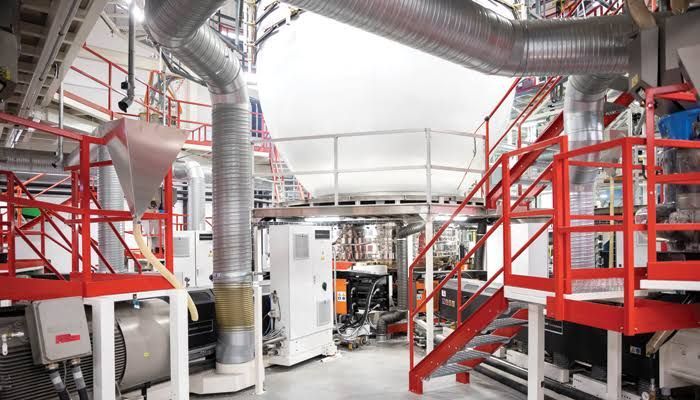
Extruder blowing machines are industrial manufacturing systems used to produce hollow plastic products through a process commonly known as extrusion blow molding. These machines play an important role in modern manufacturing by creating containers, bottles, tanks, drums, and various plastic components used across different industries.

The development of extrusion blow molding technology emerged from the growing need for efficient production methods capable of creating lightweight, durable, and uniform plastic products. Over time, advances in industrial automation solutions and manufacturing technology have improved machine performance, precision, and material utilization.

An extruder blowing machine typically combines two key manufacturing processes:

  • Plastic extrusion
  • Blow molding

In this process, plastic resin is melted and shaped into a hollow tube known as a parison. Air is then introduced into the mold, expanding the material until it takes the desired shape.

Basic Components of an Extruder Blowing Machine

ComponentFunction
ExtruderMelts and transports plastic material
Die HeadShapes the molten plastic into a parison
MoldDetermines the final product shape
Blow PinIntroduces air pressure
Cooling SystemHelps solidify the product
Control SystemManages production settings and monitoring

How the Manufacturing Process Works

The production cycle generally follows these steps:

  1. Plastic material enters the extruder.
  2. The material is heated and melted.
  3. A hollow parison is formed.
  4. The mold closes around the parison.
  5. Compressed air expands the material.
  6. Cooling stabilizes the shape.
  7. The finished product is removed.

This process supports consistent production quality and is widely used in packaging manufacturing and polymer processing environments.

Why Extruder Blowing Machines Matter

Extruder blowing machines support industries that depend on large-scale production of hollow plastic products. Their importance has increased alongside growing demand for packaging, industrial containers, automotive components, and consumer goods.

Several sectors rely on this equipment:

  • Packaging manufacturing
  • Automotive production
  • Chemical processing
  • Agriculture
  • Healthcare product manufacturing
  • Consumer goods manufacturing

The technology helps address important manufacturing challenges such as:

  • Product consistency
  • Material efficiency
  • Production scalability
  • Reduced product weight
  • Improved manufacturing precision

Benefits for Modern Manufacturing

Manufacturing ObjectiveContribution of Extruder Blowing Machines
Production EfficiencySupports continuous operation
Product UniformityEnhances consistency
AutomationReduces manual intervention
Material OptimizationImproves resource utilization
Quality ControlEnables process monitoring

As industries continue adopting industrial automation solutions, extruder blowing machines remain a critical part of advanced manufacturing facilities.

Economic and Industrial Significance

Global manufacturing sectors increasingly depend on plastic processing equipment to meet demand for packaging, transportation, healthcare, and industrial products. Extrusion blow molding technology contributes to supply chain stability by supporting efficient production of essential containers and storage systems.

The rise of smart manufacturing and Industry 4.0 initiatives has further increased interest in intelligent machine controls, predictive maintenance, and data-driven production monitoring.

Recent Industry Updates and Trends

The extrusion blow molding industry has experienced several notable developments during 2025 and 2026.

Increased Automation Integration

Manufacturers have continued integrating advanced sensors, machine monitoring systems, and industrial data analytics into extrusion blow molding equipment. These technologies help improve production visibility and support predictive maintenance strategies.

Growth of Recycled Material Processing

During 2025, many manufacturing facilities expanded their use of recycled polymers in response to sustainability initiatives. Equipment manufacturers have been adapting machine designs to improve compatibility with recycled plastic materials while maintaining product quality.

Energy Efficiency Improvements

New machine designs introduced throughout 2025 emphasized lower energy consumption through:

  • Improved motor systems
  • Enhanced heating technologies
  • Optimized cooling mechanisms
  • Intelligent power management systems

Digital Manufacturing Expansion

Cloud-connected monitoring platforms have become increasingly common. These systems enable operators to review performance data, production statistics, and maintenance schedules remotely.

Sustainability-Focused Development

Environmental concerns continue influencing equipment development. Industry discussions throughout 2025 highlighted:

  • Material reduction strategies
  • Recyclability improvements
  • Waste minimization efforts
  • Circular manufacturing approaches

Industry Trend Overview

Industry Focus Areas (2025–2026)

Automation            ██████████
Energy Efficiency     █████████
Digital Monitoring    ████████
Recycling Support     █████████
Quality Control       ████████
Sustainability        █████████

The trend indicates continued investment in advanced manufacturing technology and production optimization.

Regulations and Policy Considerations

Extruder blowing machines operate within regulatory frameworks that vary across countries and regions. Manufacturers must comply with rules related to workplace safety, environmental protection, product quality, and industrial operations.

Workplace Safety Requirements

Many countries enforce industrial safety standards covering:

  • Machine guarding
  • Emergency shutdown systems
  • Operator training
  • Electrical safety
  • Maintenance procedures

Examples include occupational safety regulations administered by national labor and workplace authorities.

Environmental Compliance

Environmental policies increasingly affect plastic manufacturing systems through requirements involving:

  • Emissions management
  • Waste reduction
  • Recycling targets
  • Energy efficiency initiatives
  • Sustainable material handling

Product Quality Standards

Industries such as food packaging, healthcare, and chemical storage may require compliance with product quality standards governing material suitability and manufacturing processes.

Government Manufacturing Programs

Several countries have introduced programs supporting:

  • Smart manufacturing adoption
  • Industrial automation modernization
  • Energy-efficient production
  • Sustainable manufacturing practices
  • Advanced industrial technology research

These initiatives encourage technological innovation while promoting environmental responsibility.

Documentation and Reporting

Organizations often maintain records related to:

  • Production monitoring
  • Maintenance activities
  • Safety inspections
  • Equipment performance
  • Regulatory compliance

Proper documentation supports operational transparency and quality assurance objectives.

Helpful Tools and Resources

Professionals, students, and researchers can benefit from various educational and technical resources related to extrusion blow molding technology.

Design and Engineering Tools

  • CAD software for mold design
  • Manufacturing simulation platforms
  • Process optimization tools
  • Material selection databases

Production Monitoring Resources

  • Industrial IoT dashboards
  • Machine performance analytics
  • Predictive maintenance software
  • Production reporting platforms

Learning Resources

  • Manufacturing engineering publications
  • Polymer processing textbooks
  • Technical training courses
  • Industry association materials
  • Academic research databases

Useful Resource Categories

Resource TypePurpose
CAD PlatformsProduct and mold design
Simulation ToolsProcess analysis
IoT Monitoring SystemsMachine tracking
Maintenance SoftwareEquipment management
Research DatabasesTechnical learning
Industry PublicationsMarket and technology updates

Technical Performance Metrics

Manufacturing teams often evaluate equipment using metrics such as:

  • Production output
  • Energy consumption
  • Cycle time
  • Material utilization
  • Equipment availability
  • Product consistency

Monitoring these indicators helps improve manufacturing efficiency and operational performance.

Frequently Asked Questions

What is an extruder blowing machine used for?

An extruder blowing machine is used to manufacture hollow plastic products such as bottles, containers, tanks, and industrial packaging components through extrusion blow molding technology.

How does extrusion blow molding differ from injection molding?

Extrusion blow molding creates hollow products by inflating a molten plastic tube inside a mold. Injection molding typically produces solid components by injecting molten material into a mold cavity.

Which industries commonly use extrusion blow molding equipment?

Industries including packaging manufacturing, automotive production, agriculture, healthcare, chemical processing, and consumer goods manufacturing frequently utilize this technology.

What materials can be processed in extruder blowing machines?

Common materials include polyethylene (PE), polypropylene (PP), polyvinyl chloride (PVC), and other thermoplastic polymers used in industrial manufacturing applications.

Why is automation becoming important in extrusion blow molding?

Automation helps improve production efficiency, product consistency, maintenance planning, quality control, and operational visibility while supporting modern manufacturing objectives.

Conclusion

Extruder blowing machines remain an essential component of modern plastic manufacturing systems. By combining extrusion and blow molding technologies, these machines enable the efficient production of hollow plastic products used throughout everyday life and industrial operations.

Recent developments in industrial automation solutions, energy-efficient manufacturing technology, digital monitoring systems, and sustainable production practices continue shaping the future of extrusion blow molding. At the same time, regulatory requirements related to safety, environmental responsibility, and quality assurance influence how manufacturers operate and innovate.

For students, researchers, engineers, and industry professionals, understanding the fundamentals of extruder blowing machines provides valuable insight into one of the most widely used technologies within contemporary manufacturing and polymer processing environments. As smart manufacturing initiatives expand globally, extrusion blow molding equipment is expected to remain a key contributor to efficient, data-driven, and sustainable industrial production.

author-image

Harshit Sharma

We are a performance-driven media buying team focused on scaling brands through smart, data-backed advertising strategies

July 17, 2026 . 11 min read