Audiometer Machine Essentials: Discover Facts, Knowledge, Overview, Advice, and Learning Resources
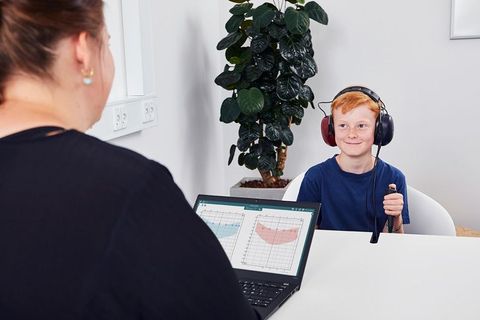
An audiometer machine is a specialised diagnostic device used to evaluate hearing ability. It helps healthcare professionals measure how well a person can hear sounds at different frequencies and intensity levels. Audiometers play an important role in hearing assessments, audiology clinics, occupational health programmes, educational screenings, and medical research.
Hearing loss affects millions of people worldwide and can occur due to ageing, noise exposure, infections, genetics, or other health conditions. Audiometer machines exist to provide standardised and measurable hearing evaluations that help identify hearing-related concerns.
Modern audiology equipment has evolved significantly over the years, incorporating digital technology, data management systems, and advanced testing protocols. Today, audiometers are commonly used alongside other hearing assessment technologies to support comprehensive hearing evaluations.
Key Audiometer Components
| Component | Purpose |
|---|---|
| Headphones | Deliver test sounds to the patient |
| Bone Conductor | Tests inner ear function through bone vibration |
| Control Panel | Allows adjustment of frequencies and sound levels |
| Display Screen | Shows testing information and results |
| Patient Response Button | Records responses during testing |
| Software System | Stores and analyses hearing data |
Importance of Audiometer Machines
Audiometer machines are important because hearing health influences communication, education, workplace safety, and overall quality of life. Early identification of hearing difficulties allows healthcare professionals to recommend appropriate management strategies.
Several groups benefit from hearing assessments:
- Children undergoing developmental screening
- Adults experiencing hearing changes
- Older individuals monitoring age-related hearing decline
- Workers exposed to occupational noise
- Students participating in school hearing programmes
- Individuals receiving medical evaluations
The importance of hearing diagnostics continues to grow as populations age and awareness of hearing health increases globally.
Problems Audiometer Testing Helps Address
Audiometer-based evaluations help identify:
- Noise-induced hearing loss
- Age-related hearing decline
- Conductive hearing disorders
- Sensorineural hearing conditions
- Temporary hearing changes caused by illness
- Occupational hearing risks
These assessments provide valuable information that supports evidence-based healthcare decisions and long-term hearing monitoring.
High-Value Audiology and Healthcare Keywords
The field of audiometry is closely associated with several high-value healthcare and medical technology topics:
| Audiology Topic | Related Professional Area |
|---|---|
| Hearing Assessment Technology | Diagnostic Healthcare Equipment |
| Audiology Testing Systems | Medical Diagnostic Devices |
| Hearing Conservation Programmes | Occupational Health Management |
| Digital Audiometry Solutions | Healthcare Technology |
| Hearing Screening Equipment | Preventive Healthcare |
| Clinical Audiology Software | Medical Data Management |
| Hearing Evaluation Tools | Patient Assessment Systems |
| Diagnostic Hearing Analysis | Healthcare Diagnostics |
Recent Updates in Audiometry and Hearing Assessment
The audiology sector has experienced several notable developments during the past year.
In 2025 and early 2026, many healthcare facilities expanded the use of connected diagnostic equipment. Digital audiometers increasingly integrate with electronic health records, allowing hearing assessment data to be stored and reviewed more efficiently.
Tele-audiology has continued to develop as healthcare providers explore remote hearing assessment models. While comprehensive testing often requires professional supervision, remote consultation and hearing monitoring technologies have become more common.
Artificial intelligence has also received attention in hearing healthcare. Researchers continue evaluating machine learning tools that may assist with data interpretation, hearing screening workflows, and clinical decision support.
Noise exposure monitoring remains a significant workplace health topic. Governments and occupational safety organisations continue emphasising hearing conservation programmes in industries where workers encounter elevated sound levels.
Trends Influencing the Industry
Recent trends include:
- Increased adoption of cloud-based audiology software
- Enhanced patient data management systems
- Portable and mobile diagnostic equipment
- Integration with healthcare information platforms
- Greater emphasis on preventive hearing health
- Expansion of workplace hearing surveillance programmes
Audiometer Technology Development Timeline
Traditional Analog Audiometers
            ↓
Digital Audiometers
            ↓
Computer-Based Testing Systems
            ↓
Network-Connected Audiology Platforms
            ↓
Cloud-Integrated Hearing Assessment Tools
            ↓
AI-Assisted Diagnostic Support Systems
Laws and Policies Related to Audiometer Use
Audiometer machines are affected by medical device regulations, healthcare standards, occupational health requirements, and data protection rules.
Healthcare authorities in many countries regulate diagnostic medical devices to ensure safety, performance, and reliability. Manufacturers must generally follow recognised standards before devices can be used in clinical environments.
Occupational Hearing Conservation Policies
Many governments require hearing conservation programmes in workplaces where employees may be exposed to excessive noise levels.
These programmes often include:
- Noise exposure monitoring
- Periodic hearing evaluations
- Employee education
- Protective equipment guidance
- Documentation and recordkeeping
Audiometer machines frequently play a role in workplace hearing surveillance activities.
Healthcare Data Protection Requirements
Modern audiology systems often store patient information electronically. As a result, healthcare organisations must comply with applicable privacy and data protection regulations.
Common requirements include:
- Secure storage of patient records
- Controlled access to health information
- Data retention procedures
- Cybersecurity measures
- Confidentiality protections
Medical Device Standards
International standards organisations continue developing technical requirements related to:
- Calibration accuracy
- Device performance
- Testing consistency
- Measurement reliability
- Quality management systems
These standards help ensure hearing assessments remain accurate and reproducible across different settings.
Tools and Resources for Learning About Audiometry
Many educational and professional resources support understanding of hearing assessment technologies.
Educational Websites
Useful learning resources include:
- World Health Organization hearing health resources
- National hearing health awareness programmes
- University audiology departments
- Professional audiology associations
- Public health education portals
Software and Digital Tools
Common audiology-related tools include:
| Tool Category | Purpose |
|---|---|
| Audiology Management Software | Patient record management |
| Hearing Screening Platforms | Assessment administration |
| Calibration Tracking Systems | Equipment monitoring |
| Data Reporting Tools | Analysis and documentation |
| Occupational Health Platforms | Hearing conservation management |
Learning Materials
Individuals interested in hearing science may explore:
- Audiology textbooks
- Hearing physiology guides
- Medical device standards documentation
- Continuing education modules
- Clinical practice guidelines
- Academic research publications
Practical Knowledge Areas
Important topics for further learning include:
- Pure-tone audiometry
- Speech audiometry
- Hearing threshold measurement
- Noise-induced hearing loss
- Hearing conservation principles
- Diagnostic interpretation methods
Frequently Asked Questions
What does an audiometer machine measure?
An audiometer measures a person's ability to hear sounds at different frequencies and loudness levels. The results help determine hearing thresholds and identify potential hearing difficulties.
Who uses audiometer machines?
Audiometer machines are commonly used by audiologists, hearing healthcare professionals, occupational health specialists, researchers, educational screening programmes, and healthcare institutions.
What is pure-tone audiometry?
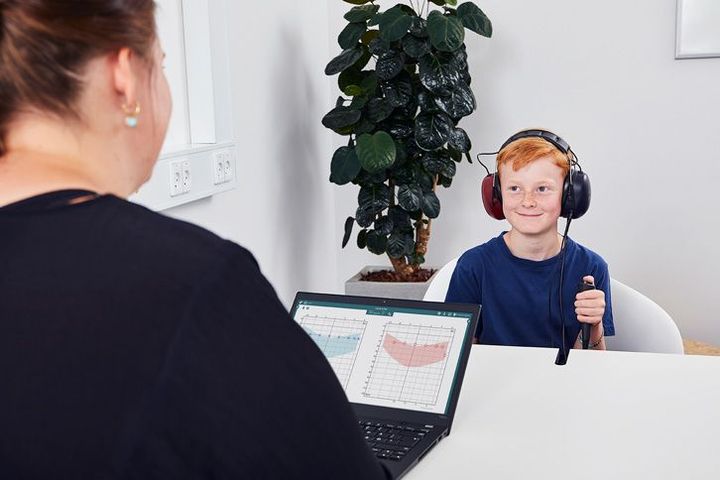
Pure-tone audiometry is a hearing assessment method that presents tones at various frequencies and intensity levels. The results help create an audiogram that illustrates hearing sensitivity.
Why is audiometer calibration important?
Calibration helps ensure testing accuracy. Proper calibration supports consistent measurements and helps maintain reliable hearing assessment results over time.
Can audiometers be used in workplace hearing programmes?
Yes. Audiometers are frequently used as part of occupational hearing conservation initiatives to monitor hearing health among individuals exposed to workplace noise.
What is the difference between air conduction and bone conduction testing?
Air conduction testing evaluates hearing through headphones, while bone conduction testing uses vibrations transmitted through the skull. Comparing both results helps identify different types of hearing conditions.
Conclusion
Audiometer machines are fundamental tools in modern hearing assessment and diagnostic audiology. They provide structured, measurable evaluations that support hearing health monitoring across clinical, educational, occupational, and research environments.
Advances in digital healthcare technology, data management systems, and connected diagnostic platforms continue shaping the future of audiometry. At the same time, regulatory standards, occupational health policies, and medical device requirements help maintain accuracy and reliability in hearing assessment practices.
Understanding audiometer technology, hearing evaluation methods, and available learning resources can help individuals gain a clearer picture of how hearing assessments contribute to healthcare, workplace safety, and long-term well-being. As awareness of hearing health continues to expand, audiometer machines remain an essential part of modern diagnostic healthcare infrastructure.