Table of Contents

Dental 3D Printers Explained: Explore Guide, Basics, Knowledge, Tips, Insights, Facts, and Helpful Resources

Dental 3D Printers Explained: Explore Guide, Basics, Knowledge, Tips, Insights, Facts, and Helpful Resources

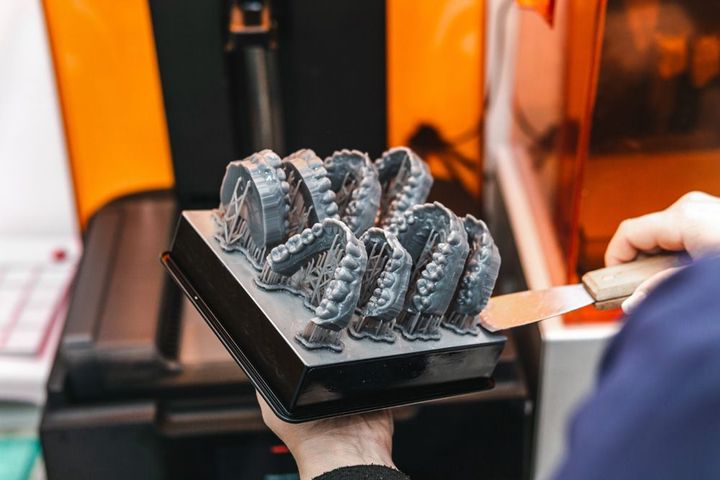
Dental 3D printers are specialized devices used to create physical dental models, aligners, surgical guides, crowns, dentures, and other dental components from digital designs. They are part of a broader shift toward digital dentistry, where traditional manual processes are increasingly supported by computer-based technologies.


The concept emerged as dental laboratories and clinics sought more accurate, repeatable, and efficient methods for producing dental appliances. Instead of relying entirely on conventional impressions and handcrafted fabrication, digital scans can now be converted into three-dimensional objects through advanced printing technologies.

Most dental 3D printing workflows begin with digital imaging. A dental scan is captured, processed through dental CAD software, and then sent to a printer that builds the object layer by layer. This approach supports precision and consistency while helping dental teams manage complex restorative and orthodontic procedures.

Understanding Common Dental 3D Printing Technologies

TechnologyTypical UseKey Characteristic
SLA (Stereolithography)Dental models, guidesHigh accuracy
DLP (Digital Light Processing)Aligners, modelsFast production
LCD Resin PrintingGeneral dental applicationsEfficient workflow
SLS (Selective Laser Sintering)Specialized componentsStrong materials
Material JettingDetailed restorationsHigh precision output

Dental professionals often select technologies based on the required level of detail, material compatibility, and intended clinical application.

Importance

Dental 3D printing has become increasingly significant because it supports modern digital workflows across dentistry. The technology affects dental clinics, laboratories, educators, researchers, and patients who benefit from improved treatment planning and manufacturing precision.

Several challenges in traditional dental production contributed to the adoption of digital methods:

  • Variations caused by manual fabrication
  • Multiple production stages requiring physical molds
  • Difficulties reproducing identical components
  • Time-intensive design revisions
  • Complex communication between clinics and laboratories

Dental 3D printers help address these challenges by enabling digital design storage, repeatable manufacturing processes, and streamlined workflows.

Some of the most common applications include:

  • Orthodontic models
  • Clear aligner production
  • Surgical implant guides
  • Temporary restorations
  • Denture bases
  • Crown and bridge models
  • Dental education models

The increasing integration of artificial intelligence, digital impressions, and cloud-based dental software has further expanded the role of additive manufacturing in dentistry.

Key Benefits and Practical Insights

BenefitImpact
PrecisionSupports detailed dental models
Digital StorageEnables long-term record management
Workflow EfficiencyReduces manual processing steps
CustomizationAllows patient-specific designs
ReproducibilityCreates consistent results
CollaborationImproves communication between teams

An important insight is that dental 3D printing does not replace clinical expertise. Instead, it functions as a tool that supports diagnosis, treatment planning, and manufacturing accuracy.

Recent Updates

The dental 3D printing sector has experienced significant developments during 2025 and 2026 as digital dentistry continues to evolve.

Recent trends include:

  • Increased use of artificial intelligence for automated dental design workflows.
  • Growing adoption of cloud-connected dental CAD platforms.
  • Expansion of biocompatible resin materials for restorative and orthodontic applications.
  • Enhanced printer resolution for detailed dental restorations.
  • Improved workflow integration between intraoral scanners and printing systems.

Industry reports published throughout 2025 highlighted continued growth in digital dental manufacturing, particularly in orthodontics and implant planning. Several manufacturers also introduced updated resin technologies designed to improve durability and accuracy.

Another notable trend has been the expansion of educational programs focused on digital dentistry. Dental schools and training centers have increasingly incorporated 3D printing technologies into their curricula to prepare students for modern clinical environments.

Digital Dentistry Workflow Example


Patient Scan

Digital Design (CAD)

Treatment Planning

3D Printing

Post-Processing

Clinical Application


This workflow demonstrates how digital data moves from imaging to physical production within contemporary dental practices.

Laws or Policies

Dental 3D printing is influenced by various regulatory frameworks because printed products may be used in healthcare settings.

Common regulatory considerations include:

  • Medical device regulations
  • Material safety requirements
  • Quality management standards
  • Patient data protection rules
  • Manufacturing documentation requirements

In many regions, dental materials intended for clinical use must meet specific safety and performance standards. Manufacturers are generally required to provide documentation regarding biocompatibility, intended use, and testing procedures.

Healthcare privacy regulations can also affect digital dental workflows because patient scans and treatment data are often stored electronically. Dental organizations must typically follow applicable data protection requirements when handling digital records.

Quality management systems remain an important part of dental manufacturing. Documentation, traceability, and process validation help ensure consistent outcomes across production workflows.

Tools and Resources

A variety of tools support dental 3D printing workflows.

Digital Scanning Resources

  • Intraoral scanning systems
  • Laboratory scanning platforms
  • Digital impression software

Dental CAD Software

  • Crown and bridge design applications
  • Orthodontic planning software
  • Implant planning platforms
  • Denture design solutions

File Management Tools

  • STL file viewers
  • 3D model repair software
  • Cloud storage platforms
  • Workflow management systems

Educational Resources

  • Dental technology journals
  • Digital dentistry training courses
  • Academic research databases
  • Professional association publications

Useful Templates and Checklists

  • Print preparation checklists
  • Quality assurance templates
  • Maintenance logs
  • Material tracking records
  • Workflow documentation forms

Tips for Understanding Dental 3D Printing

When learning about dental 3D printing, consider these practical points:

  • Understand the difference between scanning, design, and printing stages.
  • Learn basic CAD concepts used in dental design.
  • Review material properties before evaluating applications.
  • Focus on workflow integration rather than printer specifications alone.
  • Pay attention to quality control and post-processing procedures.
  • Stay informed about emerging regulatory developments.

A broader understanding of the complete digital dentistry ecosystem often provides more value than focusing solely on printer hardware.

Industry Facts

FactExplanation
Digital workflows continue expandingMore clinics are adopting digital processes
Orthodontics is a major application areaAligner production relies heavily on digital models
Material innovation remains activeNew dental resins continue to emerge
Education is evolvingDental schools increasingly teach digital manufacturing
Data integration is growingSoftware platforms connect multiple workflow stages

These trends indicate that dental 3D printing is becoming an established component of modern dental technology rather than an experimental tool.

FAQs

What is a dental 3D printer?

A dental 3D printer is a specialized device that converts digital dental designs into physical objects such as models, surgical guides, dentures, restorations, and orthodontic appliances using additive manufacturing technology.

How do dental 3D printers work?

They use digital files generated from scans or CAD software and build objects layer by layer using materials such as photopolymer resins or other dental-grade materials.

What are dental 3D printers commonly used for?

Common applications include dental models, clear aligner production, implant guides, temporary restorations, dentures, orthodontic appliances, and educational models.

Are dental 3D printed materials regulated?

Yes. Materials used in healthcare applications are generally subject to safety, quality, and performance requirements established by relevant regulatory authorities.

Why is digital dentistry becoming more popular?

Digital dentistry supports precision, workflow efficiency, record management, customization, and improved communication between dental professionals and laboratories.

Conclusion

Dental 3D printers represent an important advancement in digital dentistry, combining imaging, computer-aided design, and additive manufacturing into a connected workflow. Their applications extend across restorative dentistry, orthodontics, implant planning, dental education, and laboratory production.

Recent developments in artificial intelligence, dental CAD software, digital scanning, and biocompatible materials continue to shape the field. At the same time, regulatory requirements and quality management standards remain essential for ensuring safe and reliable outcomes.

As digital dentistry continues to evolve, dental 3D printing is expected to remain a central technology supporting precision manufacturing, workflow optimization, and innovation throughout the dental industry.


author-image

Harshit Sharma

We are a performance-driven media buying team focused on scaling brands through smart, data-backed advertising strategies

June 29, 2026 . 9 min read