CT Scanners Explained: Explore Guide, Basics, Tips, Insights, Knowledge, Facts, and Helpful Resources
Computed Tomography (CT) scanners are advanced medical imaging systems that help healthcare professionals view detailed images of the inside of the human body. Unlike traditional X-ray imaging, which creates a single flat image, CT technology captures multiple images from different angles and combines them into detailed cross-sectional views.
The development of CT scanning technology was driven by the need for more accurate diagnostic imaging. Many medical conditions, including injuries, infections, cardiovascular disorders, and neurological conditions, require detailed visualization that standard imaging methods may not provide.
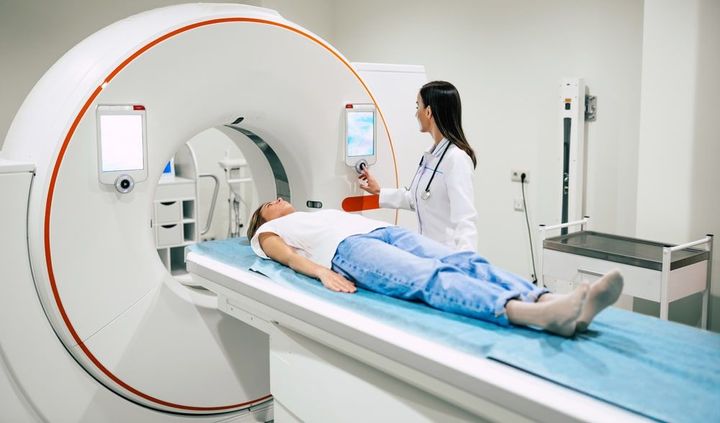
A CT scanner consists of an X-ray source, detectors, a rotating gantry, and specialized computer software. During a scan, the machine rotates around the patient and collects imaging data that is processed into detailed images.
Basic Components of a CT Scanner
| Component | Function |
|---|---|
| X-Ray Tube | Produces X-rays for imaging |
| Detectors | Capture X-ray signals |
| Gantry | Rotating structure that houses imaging components |
| Computer System | Processes images and reconstructs scans |
| Patient Table | Positions the patient during scanning |
How CT Imaging Works
The CT imaging process generally follows these steps:
- The patient lies on a motorized table.
- The table moves through the scanner opening.
- The X-ray tube rotates around the body.
- Detectors collect imaging information.
- Software reconstructs detailed images.
- Radiologists analyze the results.
This process allows healthcare professionals to examine bones, blood vessels, organs, and soft tissues with high precision.
Why CT Scanners Matter in Modern Healthcare
CT scanners play an important role in healthcare because they provide detailed diagnostic information quickly and accurately.
Healthcare systems increasingly depend on diagnostic imaging technology to support evidence-based medical decisions. Early detection often leads to better treatment planning and improved patient outcomes.
Common uses of CT imaging include:
- Brain imaging and stroke assessment
- Cancer detection and monitoring
- Trauma and emergency medicine
- Cardiovascular imaging
- Lung disease evaluation
- Bone and joint assessment
- Surgical planning
Who Benefits from CT Imaging?
Several groups benefit from CT scanner technology:
- Patients requiring diagnostic evaluation
- Emergency care teams
- Radiologists and imaging specialists
- Surgeons and treatment planners
- Researchers studying disease progression
- Public health systems monitoring healthcare outcomes
Healthcare Challenges Addressed by CT Technology
| Challenge | CT Imaging Contribution |
|---|---|
| Delayed diagnosis | Faster identification of medical conditions |
| Internal injuries | Detailed visualization of trauma |
| Disease monitoring | Tracking progression over time |
| Surgical planning | Improved anatomical understanding |
| Emergency assessment | Rapid imaging support |
CT Scanner Usage Across Healthcare Areas
Emergency Medicine      ██████████████
Neurology               ████████████
Oncology                █████████████
Cardiology              ██████████
Orthopedics             █████████
Pulmonology             ███████████
The chart illustrates the broad application of CT imaging across multiple medical specialties.
Recent Updates and Trends in CT Scanner Technology
The past year has seen continued advancements in diagnostic imaging and radiology technology.
Artificial Intelligence Integration
During 2025 and early 2026, healthcare organizations expanded the use of Artificial Intelligence (AI) tools in medical imaging workflows. AI-assisted image analysis is being used to support image reconstruction, improve workflow efficiency, and assist radiologists in identifying abnormalities.
Lower Radiation Exposure Techniques
Recent innovations focus on reducing radiation doses while maintaining image quality. Advanced reconstruction algorithms and detector technologies continue to improve patient safety.
Faster Imaging Systems
Newer CT systems offer faster scan times, which can be particularly beneficial in emergency settings and for patients who have difficulty remaining still.
Enhanced Cardiac Imaging
Cardiac CT technology continues to improve with better motion correction and higher-resolution imaging, supporting more accurate cardiovascular assessments.
Cloud-Based Imaging Solutions
Healthcare providers increasingly use secure cloud technologies for image storage, sharing, and collaboration among medical teams.
Emerging Trends in Diagnostic Imaging
| Trend | Impact |
|---|---|
| AI-Assisted Imaging | Improved workflow efficiency |
| Advanced Detectors | Better image quality |
| Dose Optimization | Reduced radiation exposure |
| Cloud Imaging Platforms | Easier data sharing |
| Automated Analysis Tools | Faster image interpretation |
Regulations and Policies Affecting CT Scanners
Medical imaging equipment operates within regulatory frameworks designed to promote patient safety, quality assurance, and radiation protection.
Radiation Safety Standards
Most countries maintain radiation protection guidelines that regulate the use of CT scanners. These standards help ensure that imaging procedures use appropriate radiation levels while achieving diagnostic objectives.
Healthcare facilities are generally required to:
- Monitor radiation exposure
- Maintain imaging equipment
- Conduct quality assurance testing
- Follow imaging protocols
- Train imaging personnel
Medical Device Regulations
CT scanners are classified as regulated medical devices in many jurisdictions. Manufacturers must meet safety, performance, and quality standards before equipment can be used in healthcare settings.
Data Privacy Requirements
Because CT scans generate patient health information, healthcare organizations must comply with data protection and privacy regulations. Secure storage and controlled access are important components of imaging management.
Quality Assurance Programs
Many healthcare systems require routine inspections, calibration procedures, and performance evaluations to ensure imaging accuracy and patient safety.
Helpful Tools and Resources Related to CT Scanners
Various digital tools support education, imaging analysis, and healthcare management.
Educational Resources
- Medical imaging textbooks
- Radiology learning platforms
- Anatomy visualization software
- Healthcare research databases
- Medical journals
Healthcare Technology Resources
| Resource Type | Purpose |
|---|---|
| DICOM Viewers | Viewing medical images |
| PACS Platforms | Image storage and management |
| Radiation Dose Trackers | Monitoring exposure levels |
| Medical Research Databases | Accessing scientific studies |
| Anatomy Applications | Learning body structures |
Commonly Used Imaging Technologies
- CT Imaging
- Magnetic Resonance Imaging (MRI)
- Ultrasound Imaging
- Digital Radiography
- Nuclear Medicine Imaging
- Positron Emission Tomography (PET)
Learning and Knowledge Sources
Useful areas of study include:
- Radiology technology
- Medical imaging science
- Healthcare informatics
- Biomedical engineering
- Diagnostic imaging systems
- Artificial intelligence in healthcare
Frequently Asked Questions
What does CT stand for?
CT stands for Computed Tomography. It is an imaging technology that combines X-rays and computer processing to create detailed cross-sectional images of the body.
How is a CT scan different from a regular X-ray?
A traditional X-ray produces a single image, while a CT scanner captures multiple images from different angles and reconstructs them into detailed slices of internal anatomy.
Are CT scanners used only in hospitals?
No. CT scanners may be found in hospitals, specialized imaging centers, research institutions, and some emergency care facilities depending on healthcare infrastructure.
Why are CT scans important in emergencies?
CT imaging can rapidly identify internal injuries, bleeding, fractures, and other urgent medical conditions, helping healthcare teams make timely treatment decisions.
What are the main advancements in CT technology today?
Current advancements include AI-assisted image analysis, dose reduction techniques, faster scanning systems, enhanced cardiac imaging, and cloud-based image management solutions.
Can CT scanners image both bones and soft tissues?
Yes. One of the major strengths of CT technology is its ability to provide detailed visualization of bones, organs, blood vessels, and many soft tissues within a single imaging examination.
Conclusion
CT scanners represent one of the most important developments in modern diagnostic imaging. By combining advanced X-ray technology with powerful computing systems, CT imaging provides detailed insights into the human body that support diagnosis, treatment planning, and ongoing disease monitoring.
As healthcare technology continues to evolve, innovations such as artificial intelligence, improved detector systems, lower radiation exposure techniques, and cloud-based imaging solutions are shaping the future of computed tomography. At the same time, regulatory standards, quality assurance programs, and patient safety guidelines remain essential for ensuring responsible use of this powerful diagnostic tool.
Understanding how CT scanners work, why they matter, and how technology continues to advance can help readers appreciate the important role that medical imaging plays in supporting modern healthcare and informed clinical decision-making.