Sachet Filling Machines Knowledge: Types, Functions and Uses
Sachet filling machines are widely used in modern packaging processes for accurately filling and sealing small pouches containing liquids, powders, granules, or pastes. These machines help maintain consistent packaging quality while improving production efficiency. Understanding sachet filling machines is useful for anyone interested in packaging technology, manufacturing processes, or industrial automation.
Today, automatic filling systems are used across industries such as food, beverages, cosmetics, pharmaceuticals, agriculture, and household products. Learning about sachet machine designs, filling methods, packaging materials, and machine functions provides valuable knowledge about how small packaged products are produced safely and efficiently.
Context
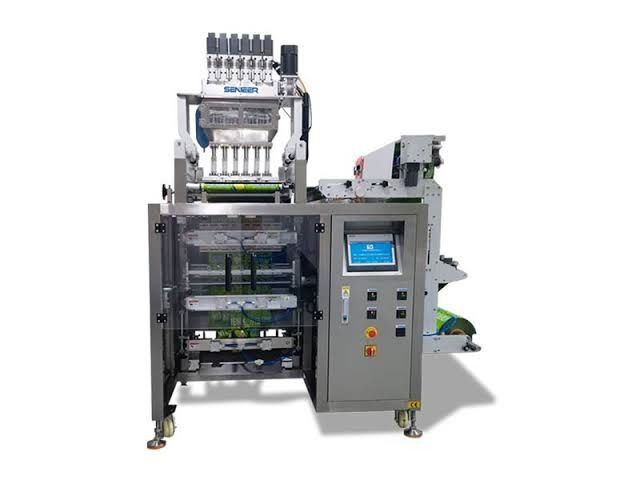
Sachet filling machines are specialized packaging machines designed to measure, fill, and seal products into small flexible pouches called sachets. They are developed to package products in precise quantities while reducing material waste and maintaining consistent output.
These machines are available in different configurations depending on the type of product being packaged. A liquid filling machine is commonly used for products such as sauces, oils, shampoos, and beverages. Powder filling systems package products like spices, coffee, milk powder, and nutritional supplements. Granule filling machines handle products such as sugar, salt, seeds, and detergents.
The basic working process includes several stages:
- Film feeding
- Sachet forming
- Product measuring
- Filling
- Sealing
- Cutting
- Finished pouch discharge
Modern packaging machines often include programmable controls, sensors, and automated monitoring systems to improve filling accuracy and reduce production interruptions.
Types of Sachet Filling Machines
Different machine types are designed for different packaging requirements.
| Machine Type | Suitable Products | Common Filling Method |
|---|---|---|
| Liquid Filling Machine | Water, juice, oil, shampoo | Pump filling |
| Powder Filling Machine | Coffee, spices, flour | Auger filling |
| Granule Filling Machine | Sugar, rice, seeds | Volumetric cup filling |
| Paste Filling Machine | Creams, gels, ketchup | Piston filling |
| Multi-Lane Sachet Machine | High-volume production | Multiple filling systems |
Importance
Sachet filling machines play an important role in maintaining packaging consistency across many industries. Accurate measurement helps ensure each sachet contains the intended quantity, supporting product quality and reducing unnecessary material usage.
Manufacturers benefit from automated filling because it improves production speed while reducing manual handling. Consumers also benefit through secure packaging that helps preserve product freshness and simplifies transportation.
Industries commonly using filling machines include:
- Food processing
- Pharmaceutical manufacturing
- Cosmetics
- Chemical production
- Agricultural products
- Personal care products
The increasing use of automation has also improved packaging precision, production monitoring, and equipment reliability.
Main Functions of Sachet Filling Machines
The primary functions include:
- Accurate product measurement
- Continuous filling operations
- Heat sealing of sachets
- Date or batch code printing
- Automatic cutting
- Quality inspection through sensors
- Production data monitoring
These functions allow packaging operations to maintain consistent quality while meeting production requirements.
Recent Updates
Between 2024 and 2026, packaging technology has continued to evolve with greater emphasis on automation, sustainability, and digital monitoring.
Many modern sachet packing systems now incorporate Industrial Internet of Things (IIoT) technology that allows operators to monitor production performance through connected software platforms. Machine data such as production counts, filling accuracy, maintenance schedules, and operating efficiency can be viewed in real time.
Artificial intelligence is also being introduced into packaging inspection systems. AI-assisted vision cameras help identify sealing defects, missing prints, incorrect pouch dimensions, and filling irregularities with improved accuracy.
Another important development is the increased use of recyclable and mono-material packaging films designed to support environmental goals while remaining compatible with automatic filling machines.
Manufacturers are also improving energy efficiency by developing machines with optimized heating systems, servo-driven motors, and reduced power consumption during operation.
Flexible production has become increasingly important as many packaging facilities require machines capable of handling multiple sachet sizes with shorter changeover times.
Laws or Policies
Sachet filling machines operate within regulatory frameworks that help maintain product safety, equipment performance, and packaging quality. Requirements vary depending on the industry and country.
For food packaging, equipment should comply with food safety regulations that address hygienic design, contamination prevention, and suitable contact materials. Pharmaceutical packaging equipment often follows Good Manufacturing Practice (GMP) requirements to maintain product quality throughout production.
Many countries also require electrical equipment to comply with applicable machine safety standards covering emergency stop systems, operator protection, guarding, and electrical safety.
Environmental regulations increasingly encourage the use of recyclable packaging materials and improved waste management throughout manufacturing operations.
Organizations commonly referenced in packaging regulations include:
- International Organization for Standardization (ISO)
- International Electrotechnical Commission (IEC)
- Food safety authorities
- National manufacturing safety agencies
- Environmental regulatory authorities
Companies should always review the specific regulations that apply within their operating region and industry.
Tools and Resources
Several online resources help professionals, students, and manufacturers learn more about packaging technology and sachet filling systems.
Useful resources include:
- International packaging association websites
- ISO standards information
- GMP guidance documents
- Packaging engineering educational platforms
- Manufacturing automation publications
- Food safety authority guidance documents
Some engineering software platforms also provide production calculators that estimate packaging output, material usage, sealing performance, and equipment efficiency for planning purposes.
Training materials, maintenance manuals, and operator documentation supplied by equipment manufacturers also help improve machine understanding and safe operation.
FAQs
What is a sachet filling machine?
A sachet filling machine is packaging equipment that automatically measures, fills, seals, and cuts small flexible pouches containing liquids, powders, granules, or paste products.
What products can be packaged using sachet machines?
These machines package products such as coffee, spices, sugar, shampoo, sauces, detergents, pharmaceutical powders, cosmetics, and agricultural products.
How does an automatic filling machine improve packaging?
Automatic filling machines improve consistency by accurately measuring product quantities, reducing manual handling, and maintaining steady production throughout packaging operations.
What is the difference between powder and liquid filling machines?
Powder filling machines generally use auger mechanisms for dry materials, while liquid filling machines commonly use pumps or piston systems designed for fluids and semi-liquid products.
Why are packaging regulations important?
Packaging regulations help maintain product safety, equipment reliability, hygienic manufacturing practices, and compliance with environmental and quality standards.
Conclusion
Sachet filling machines are an essential part of modern packaging technology across numerous industries. Different machine types are designed to package liquids, powders, granules, and paste products with consistent accuracy and efficiency. Recent advances in automation, digital monitoring, and sustainable packaging materials continue to improve machine performance. Understanding their functions, regulations, and available resources helps build practical knowledge of today's packaging systems.