Coffee Machine Information: Features, Functions, and Benefits
Coffee machines have become a common appliance in homes, offices, and public spaces. They are designed to simplify the process of preparing coffee by automating tasks such as heating water, brewing, and dispensing beverages. Different models are available to suit various preferences, from basic drip coffee makers to advanced espresso systems.
As coffee consumption continues to grow worldwide, coffee machines have evolved with improved technology, energy efficiency, and convenience features. Understanding their functions, benefits, and recent developments can help users make informed decisions about selecting and using these appliances.
Context
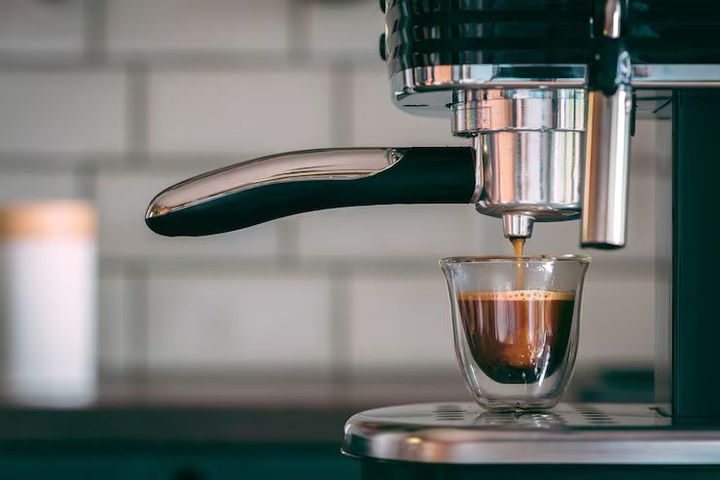
A coffee machine is an appliance that prepares coffee by combining hot water with ground coffee beans or coffee pods. The primary purpose of a coffee machine is to create a consistent and convenient brewing process while reducing manual effort.
The history of coffee machines dates back to the nineteenth century when inventors began developing mechanical brewing devices. Over time, innovations led to automatic drip brewers, espresso machines, capsule-based systems, and smart-connected appliances.
Coffee machines are commonly categorized into several types:
| Coffee Machine Type | Main Function | Typical Use |
|---|---|---|
| Drip Coffee Maker | Brews multiple cups at once | Homes and offices |
| Espresso Machine | Produces concentrated coffee | Cafes and enthusiasts |
| Capsule Machine | Uses pre-packaged coffee capsules | Convenience-focused users |
| Bean-to-Cup Machine | Grinds and brews automatically | Home and workplace settings |
| French Press Brewer | Manual immersion brewing | Personal use |
Modern coffee machines often include programmable settings, adjustable brew strength, milk frothing systems, and digital controls.
Importance
Coffee machines play an important role in providing convenient access to coffee beverages throughout the day. They help reduce preparation time while maintaining consistency in flavor and brewing quality.
The impact of coffee machines extends across several groups:
- Households seeking quick beverage preparation.
- Offices aiming to provide refreshments for employees.
- Hospitality establishments serving guests.
- Educational institutions with staff lounges and cafeterias.
- Coffee enthusiasts interested in experimenting with brewing methods.
Benefits commonly associated with coffee machines include:
- Consistent brewing results.
- Reduced manual preparation.
- Time efficiency.
- Customizable beverage options.
- Improved convenience for frequent coffee drinkers.
As workplace and remote work environments continue to evolve, coffee machines remain a practical appliance for many daily routines.
Recent Updates
Between 2024 and 2026, coffee machine technology has continued to advance through automation, connectivity, and sustainability initiatives.
Smart Connectivity Features
Many newer coffee machines now support smartphone integration. Users can schedule brewing times, monitor maintenance requirements, and customize beverage settings through mobile applications.
Additional smart features may include:
- Voice assistant compatibility.
- Remote brewing controls.
- Personalized user profiles.
- Automatic software updates.
Sustainability and Efficiency
Manufacturers have increasingly focused on environmental considerations. Recent developments include:
- Energy-saving standby modes.
- Improved water efficiency.
- Recyclable capsule programs.
- Durable components designed for longer appliance lifespans.
Some models also incorporate precision brewing technology that helps reduce waste by optimizing water and coffee usage.
Consumer interest in specialty coffee has encouraged further innovation in bean grinding systems, temperature control, and automated milk preparation.
Laws or Policies
Coffee machines are subject to various regulations and standards depending on the country and region where they are manufactured or distributed.
Common areas of regulation include:
| Regulatory Area | Purpose |
|---|---|
| Electrical Safety Standards | Reduce electrical hazards |
| Energy Efficiency Requirements | Encourage lower energy consumption |
| Product Labeling Rules | Provide consumer information |
| Food Contact Material Regulations | Ensure safe materials in beverage preparation |
| Recycling and Waste Policies | Promote responsible disposal practices |
In many regions, manufacturers must demonstrate compliance with safety testing requirements before products enter the market.
Energy efficiency policies have also become increasingly important. Governments often establish guidelines encouraging appliances that consume less electricity during operation and standby periods.
Consumers should review product documentation and certification markings to ensure compliance with applicable regulations in their region.
Tools and Resources
Several online resources can help users understand, maintain, and compare coffee machines.
Useful Resources
| Resource Type | Purpose |
|---|---|
| Manufacturer Manuals | Operating instructions and maintenance guidance |
| Energy Consumption Calculators | Estimate electricity usage |
| Product Certification Databases | Verify safety certifications |
| Consumer Review Platforms | Compare user experiences |
| Maintenance Checklists | Track cleaning schedules |
Helpful tools may include:
- Brewing ratio calculators.
- Water hardness testing guides.
- Maintenance reminder applications.
- Appliance energy usage estimators.
Regular maintenance resources can help users maintain performance and extend appliance lifespan. Cleaning schedules, descaling guides, and troubleshooting references are especially useful for long-term operation.
FAQs
What is the main purpose of a coffee machine?
A coffee machine automates the brewing process, making it easier to prepare coffee with consistent results.
How often should a coffee machine be cleaned?
Cleaning frequency depends on usage. Daily rinsing and periodic deep cleaning are generally recommended according to the manufacturer's instructions.
What is the difference between a drip coffee maker and an espresso machine?
A drip coffee maker brews coffee by passing hot water through grounds, while an espresso machine uses pressure to produce a concentrated coffee beverage.
Do coffee machines use a lot of electricity?
Most coffee machines consume moderate amounts of electricity during brewing. Energy-efficient models may reduce overall power usage.
Why is descaling important?
Descaling removes mineral buildup from internal components, helping maintain brewing performance and appliance longevity.
Conclusion
Coffee machines have become an important part of modern beverage preparation by providing convenience, consistency, and efficiency. They are available in various formats to meet different user preferences and brewing requirements. Recent developments have introduced smart features, sustainability improvements, and enhanced customization options. Understanding coffee machine functions, regulations, and maintenance practices can help users make informed decisions and achieve reliable brewing results over time.