Industrial Water Treatment and Water Safety Guide
Industrial water treatment refers to the process of improving water quality for industrial applications such as manufacturing, energy production, food processing, healthcare, textiles, and chemical operations. Water safety focuses on ensuring that water used or discharged by industries does not create health risks, environmental damage, or operational problems.
Industries use large amounts of water every day for cooling systems, cleaning processes, steam generation, product manufacturing, and sanitation. Untreated or poorly managed water can contain bacteria, heavy metals, suspended solids, salts, oils, and harmful chemicals. These contaminants may damage equipment, reduce production efficiency, and affect surrounding ecosystems.
The concept of industrial water treatment developed as industries expanded and environmental awareness increased worldwide. Governments and environmental agencies introduced water quality standards to control industrial pollution and encourage sustainable water management practices.
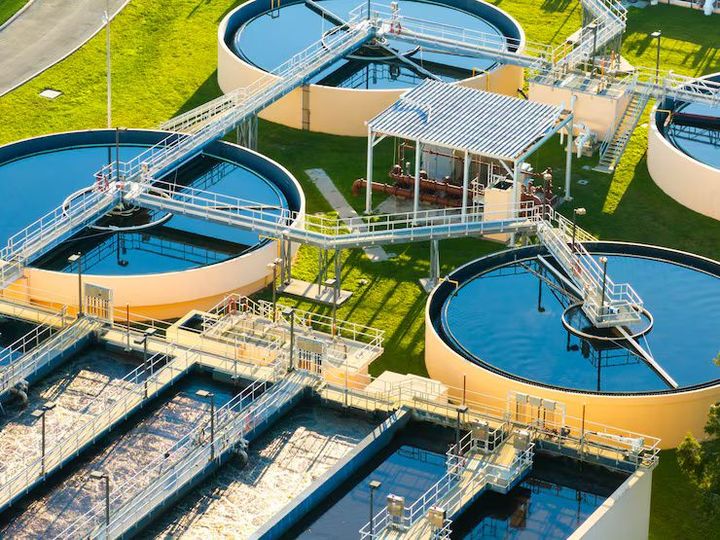
Today, industries use different treatment methods depending on water quality and operational needs. Common treatment processes include filtration, reverse osmosis, ultraviolet disinfection, activated carbon treatment, softening, and wastewater recycling.
The growing focus on water conservation and environmental responsibility has made industrial water safety an important topic across multiple sectors.
Common Industrial Water Treatment Methods
| Treatment Method | Main Purpose | Common Industrial Use |
|---|---|---|
| Filtration | Removes particles and sediments | Manufacturing plants |
| Reverse Osmosis | Reduces dissolved salts | Pharmaceutical industries |
| UV Disinfection | Controls microorganisms | Food processing |
| Water Softening | Removes hardness minerals | Boiler systems |
| Activated Carbon | Reduces odors and chemicals | Chemical industries |
| Wastewater Recycling | Reuses treated water | Large industrial facilities |
Why Industrial Water Treatment Matters Today
Industrial water treatment has become increasingly important because global water resources are under pressure from population growth, climate change, urbanization, and industrial expansion. Many regions now face water shortages, making efficient water management essential for long-term sustainability.
Industries depend on stable water quality to maintain productivity and equipment performance. Poor water quality can lead to scaling, corrosion, biological contamination, and system failures. These issues may reduce operational efficiency and increase maintenance requirements.
Water safety also directly affects public health and environmental protection. Improper disposal of industrial wastewater can contaminate rivers, lakes, groundwater, and agricultural areas. Contaminated water may impact drinking water supplies and aquatic ecosystems.
Several industries are highly dependent on advanced water treatment systems, including:
- Power generation facilities
- Pharmaceutical manufacturing
- Food and beverage processing
- Oil and gas operations
- Textile manufacturing
- Semiconductor production
- Healthcare institutions
Modern industries are also adopting water recycling systems to reduce freshwater consumption. Recycled process water helps lower environmental impact while supporting resource conservation goals.
Key Challenges Addressed by Water Safety Systems
- Industrial wastewater contamination
- Chemical discharge management
- Waterborne bacteria control
- Heavy metal removal
- Equipment corrosion prevention
- Safe water storage practices
- Compliance with environmental standards
Recent Updates and Industry Trends
Industrial water treatment technologies have changed significantly during the past year as industries focus more on sustainability, automation, and resource efficiency.
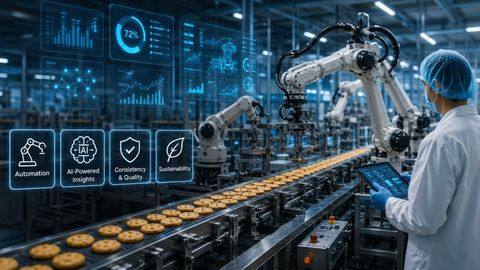
In 2025 and early 2026, many industrial facilities increased the use of smart monitoring systems that track water quality in real time. Sensors connected to digital monitoring platforms now help operators detect contamination, chemical imbalances, and system failures more quickly.
Artificial intelligence and predictive maintenance tools are also becoming more common in water treatment facilities. These systems analyze operational data to improve efficiency and reduce unexpected downtime.
Another major trend is wastewater reuse. Industries in water-stressed regions are investing in advanced recycling systems to reduce freshwater dependency. Membrane filtration and zero-liquid-discharge technologies are gaining attention because they support water recovery and environmental compliance.
Governments in several countries also introduced stricter environmental discharge standards during 2025. Industries are increasingly expected to monitor chemical discharge levels and improve wastewater treatment performance.
Sustainability reporting has become another important development. Large industrial organizations are now publishing environmental performance data related to water usage, wastewater recycling, and pollution reduction.
Global Water Management Trends
| Trend | Industry Impact |
|---|---|
| Smart Water Monitoring | Faster contamination detection |
| Wastewater Recycling | Reduced freshwater demand |
| Automation Systems | Improved operational control |
| Environmental Reporting | Greater transparency |
| AI-Based Monitoring | Better maintenance planning |
| Sustainable Manufacturing | Lower environmental impact |
Environmental and Operational Benefits
Industrial water treatment systems provide multiple benefits beyond regulatory compliance. These systems help industries improve operational reliability while supporting environmental goals.
Key benefits include:
- Reduced equipment scaling and corrosion
- Improved process efficiency
- Better product quality consistency
- Lower environmental pollution risks
- Enhanced workplace safety
- Reduced water wastage
- Improved long-term sustainability planning
Water safety systems also help reduce the spread of harmful microorganisms in industrial cooling towers and storage systems. This is especially important in industries where hygiene and contamination control are critical.
Laws and Policies Related to Industrial Water Safety
Industrial water treatment is closely connected to environmental regulations and water quality standards established by governments and international organizations.
Most countries require industries to treat wastewater before discharge into public waterways or municipal systems. Environmental agencies regularly monitor industrial discharge levels to reduce pollution and protect public health.
In India, industrial water management is regulated through environmental laws such as the Water (Prevention and Control of Pollution) Act and guidelines issued by pollution control authorities. Industries may need approval for wastewater discharge and water usage depending on operational scale and sector.
Environmental monitoring standards generally focus on:
- Chemical oxygen demand levels
- Biological oxygen demand levels
- pH balance
- Heavy metal concentration
- Total dissolved solids
- Hazardous chemical discharge
Many governments are also promoting water conservation programs and wastewater reuse initiatives to address growing water scarcity concerns.
International environmental frameworks increasingly encourage industries to adopt sustainable water management practices as part of broader climate and environmental goals.
Basic Water Quality Parameters
The pH level is one of the most important measurements in industrial water safety because it helps determine whether water is acidic, neutral, or alkaline. Maintaining balanced pH levels supports equipment protection and safe discharge practices.
Tools and Resources Used in Water Management
Industries use various digital and physical tools to monitor water quality and improve treatment efficiency. These resources help operators maintain consistent performance and meet environmental requirements.
Commonly used tools and resources include:
- Water quality monitoring sensors
- Digital flow measurement systems
- Laboratory testing equipment
- Wastewater analysis templates
- Chemical dosing calculators
- Predictive maintenance software
- Environmental compliance reporting tools
- Water efficiency audit checklists
- Training manuals for plant operators
- Process automation dashboards
Educational platforms and technical training programs also help professionals understand modern treatment technologies and environmental practices.
Industries increasingly use cloud-based monitoring systems to track water performance across multiple facilities. These systems allow faster decision-making and improve operational transparency.
Frequently Asked Questions
What is industrial water treatment?
Industrial water treatment is the process of improving water quality for industrial operations. It removes contaminants, controls bacteria, and helps industries maintain safe and efficient systems.
Why is water safety important in industries?
Water safety helps protect public health, industrial equipment, workers, and the environment. Safe water management reduces contamination risks and supports regulatory compliance.
Which industries use water treatment systems?
Many industries use water treatment systems, including manufacturing, pharmaceuticals, food processing, textiles, healthcare, power generation, and chemical production.
What are common contaminants found in industrial water?
Industrial water may contain suspended solids, bacteria, heavy metals, oils, salts, chemicals, and organic materials depending on the industrial process.
How does wastewater recycling help industries?
Wastewater recycling reduces freshwater consumption and supports environmental sustainability. Treated water can often be reused for cooling, cleaning, or process operations.
What technologies are commonly used in modern treatment systems?
Modern systems may use reverse osmosis, ultraviolet disinfection, membrane filtration, automation sensors, and AI-based monitoring technologies.
Conclusion
Industrial water treatment and water safety continue to play a major role in environmental protection, industrial efficiency, and public health management. As industries expand and global water resources become more limited, effective water management practices are becoming increasingly important.
Modern treatment systems help reduce contamination, improve operational performance, and support sustainable manufacturing goals. Advances in automation, wastewater recycling, and digital monitoring technologies are transforming how industries manage water quality today.