Industrial Plastic Components Explained: Manufacturing Processes & Engineering Applications
Industrial plastic components are engineered parts made from polymer-based materials used in manufacturing, machinery, electronics, automotive systems, medical equipment, and industrial infrastructure. These components are designed to provide strength, flexibility, corrosion resistance, and lightweight performance in different industrial environments. Plastic engineering materials are commonly used as alternatives to metal parts in applications where weight reduction, insulation, or chemical resistance is important.
The use of industrial plastics expanded during the 20th century as manufacturing industries required materials that could be shaped efficiently and adapted for large-scale production. Over time, advances in polymer science led to the development of engineering plastics capable of handling higher temperatures, pressure conditions, and mechanical stress. Today, industrial plastic components are used in both small precision devices and heavy industrial systems.
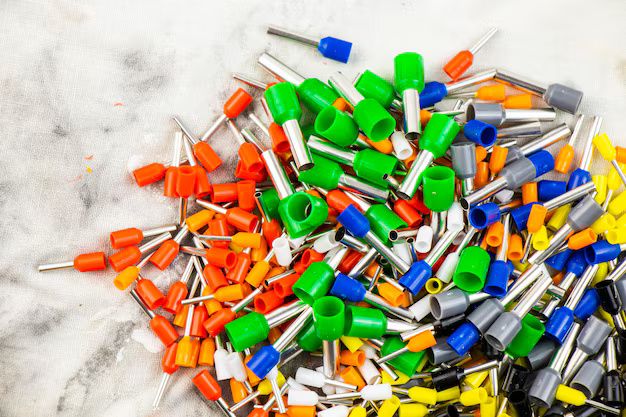
Common industrial plastic materials include polyethylene, polypropylene, polycarbonate, nylon, ABS, PVC, and high-performance engineering polymers. These materials are processed into components such as gears, housings, valves, fittings, machine covers, seals, electrical insulation parts, and automotive assemblies.
Importance
Industrial plastic components are important because they support modern manufacturing, reduce equipment weight, and improve design flexibility across multiple industries. Their combination of durability and adaptability makes them suitable for a wide range of engineering applications.
Lightweight Industrial Applications
Plastic components are often lighter than metal alternatives, making them useful in industries where reduced weight supports operational efficiency and easier handling.
Industries using lightweight plastic parts include:
| Industry | Plastic Component Application | Purpose |
|---|---|---|
| Automotive | Interior and engine parts | Weight reduction |
| Electronics | Device housings | Electrical insulation |
| Medical Equipment | Tubing and connectors | Sterile handling |
| Construction | Pipe systems and fittings | Corrosion resistance |
| Manufacturing | Machine guards and gears | Equipment support |
Reduced component weight can also support transportation and assembly operations.
Corrosion and Chemical Resistance
Many industrial plastic materials resist moisture, chemicals, and environmental exposure better than untreated metals. This makes them useful in chemical processing, water treatment, and outdoor industrial applications.
Plastic components are commonly used in:
- Fluid handling systems
- Industrial storage tanks
- Electrical insulation systems
- Chemical transport equipment
Their resistance properties help maintain long-term operational stability under demanding conditions.
Design Flexibility
Industrial plastic manufacturing allows components to be molded into complex shapes and detailed structures. Engineers can design parts with integrated features that may be more difficult to produce using traditional metal fabrication methods.
Examples include:
- Precision electronic housings
- Medical device components
- Machine covers and guards
- Fluid control fittings
This flexibility supports modern industrial product development.
Manufacturing Processes
Industrial plastic components are produced through several manufacturing methods depending on the material type, production volume, and application requirements.
Injection Molding
Injection molding is one of the most widely used plastic manufacturing processes. Heated plastic material is injected into a mold cavity where it cools and forms the final component shape.
This process is commonly used for:
- Automotive parts
- Consumer product housings
- Electrical connectors
- Industrial machine components
Injection molding supports large production volumes with consistent dimensions.
Extrusion
Extrusion involves pushing heated plastic material through a shaped die to create continuous profiles or tubing.
Extruded plastic products include:
- Pipes
- Sheets
- Tubes
- Cable insulation
- Structural profiles
This process is widely used in construction and infrastructure applications.
Blow Molding
Blow molding is used to manufacture hollow plastic products by inflating heated plastic inside a mold.
Common blow-molded products include:
- Industrial containers
- Bottles
- Storage tanks
- Fluid reservoirs
The process is often used in packaging and chemical handling industries.
Thermoforming
Thermoforming heats plastic sheets until flexible and shapes them using molds or vacuum pressure. This process is commonly used for larger lightweight components.
Applications include:
- Equipment covers
- Packaging trays
- Automotive panels
- Protective casings
CNC Machining of Plastics
Some engineering plastic components are produced using CNC machining for high-precision industrial applications. Machined plastic parts are often used where tight tolerances and custom designs are required.
Engineering Applications
Industrial plastic components are used across many engineering sectors because of their versatility and material performance.
Automotive Engineering
Modern vehicles contain numerous plastic parts used in interior systems, lighting assemblies, dashboards, airflow systems, and engine components.
Plastic materials support:
- Reduced vehicle weight
- Improved fuel efficiency
- Electrical insulation
- Design flexibility
Engineering plastics are also used in electric vehicle systems and battery housings.
Electrical and Electronics Industry
Plastic components play an important role in electrical insulation and electronic equipment protection.
Applications include:
- Switch housings
- Cable insulation
- Circuit board supports
- Connector systems
Many plastics provide electrical resistance and thermal stability required for electronic applications.
Medical Equipment Manufacturing
Medical industries use industrial plastic components in devices requiring sterilization compatibility and lightweight construction.
Examples include:
- Medical tubing
- Surgical equipment housings
- Diagnostic device components
- Laboratory containers
Medical-grade plastics are selected based on safety and hygiene requirements.
Industrial Machinery
Factories and production facilities use plastic engineering components in machine systems and industrial equipment.
Common applications include:
- Bearings and gears
- Conveyor guides
- Valve components
- Protective machine covers
These components support industrial automation and manufacturing operations.
Recent Updates
Between 2024 and 2026, industrial plastic manufacturing and engineering applications continued evolving through material innovation, sustainability efforts, and automation technologies.
Development of Advanced Engineering Plastics
Manufacturers are developing plastic materials with improved heat resistance, durability, and mechanical strength for industrial environments.
Research areas include:
- High-temperature polymers
- Reinforced composite plastics
- Lightweight structural materials
- Conductive engineering plastics
These materials support advanced manufacturing applications.
Increased Recycling and Sustainable Materials
Industrial sectors are focusing more on recyclable plastics and material recovery systems. Manufacturers are exploring recycled polymer content and reduced material waste during production.
Sustainability efforts include:
- Recycled industrial plastics
- Energy-efficient molding systems
- Material reuse programs
- Reduced packaging waste
Automation in Plastic Manufacturing
Plastic component production increasingly uses automated systems and robotic handling equipment.
Automation technologies include:
- Robotic injection molding systems
- Automated inspection equipment
- Smart production monitoring
- Digital quality tracking systems
These systems support production consistency and operational management.
Growth of Precision Manufacturing
Industries such as electronics and medical equipment continue increasing demand for smaller and more precise plastic engineering components.
Laws or Policies
Industrial plastic component manufacturing is influenced by environmental regulations, workplace safety rules, and industrial quality standards.
Environmental Regulations
Governments increasingly regulate plastic waste management and industrial recycling practices.
Environmental policies may focus on:
- Plastic waste reduction
- Recycling requirements
- Industrial emissions management
- Material disposal standards
These regulations influence manufacturing operations and packaging systems.
Product Safety Standards
Industrial plastic components used in medical, automotive, and electrical applications often require compliance with technical safety standards.
Requirements may involve:
- Heat resistance testing
- Electrical insulation standards
- Chemical compatibility analysis
- Mechanical durability verification
Workplace Safety Requirements
Plastic manufacturing facilities generally follow industrial safety standards related to:
- Machine operation
- Ventilation systems
- Material handling
- Heat processing equipment
Safety procedures help manage operational risks during production activities.
Tools and Resources
Several technical tools and engineering resources support industrial plastic manufacturing and component design.
CAD Design Software
Engineers use computer-aided design software to create plastic component models and production layouts.
These tools support:
- 3D modeling
- Mold design
- Structural analysis
- Product simulations
Material Selection Databases
Material databases help manufacturers compare engineering plastics based on strength, temperature resistance, flexibility, and chemical compatibility.
Quality Inspection Systems
Industrial inspection equipment is used to verify plastic component dimensions and surface quality.
Inspection methods may include:
- Laser measurement systems
- Visual inspection cameras
- Dimensional analysis tools
- Material testing equipment
FAQs
What are industrial plastic components used for?
Industrial plastic components are used in machinery, automotive systems, electronics, medical devices, construction materials, and manufacturing equipment.
Which manufacturing processes are commonly used for industrial plastic components?
Common manufacturing processes include injection molding, extrusion, blow molding, thermoforming, and CNC machining.
Why are engineering plastics important in industrial applications?
Engineering plastics provide lightweight performance, corrosion resistance, electrical insulation, and design flexibility for industrial environments.
Which industries use industrial plastic components the most?
Industries commonly using industrial plastic components include automotive manufacturing, electronics, healthcare, construction, packaging, and industrial machinery production.
How do industrial plastic components support modern engineering applications?
Industrial plastic components support engineering applications through material adaptability, reduced equipment weight, chemical resistance, and precision manufacturing capabilities.
Conclusion
Industrial plastic components are widely used in modern manufacturing and engineering applications because of their lightweight structure, durability, and design flexibility. Different manufacturing processes such as injection molding, extrusion, and thermoforming help produce components for industries including automotive, electronics, healthcare, and industrial machinery. Advances in engineering plastics, automation, and sustainable manufacturing continue shaping the industrial plastics sector. Environmental regulations and technical standards also influence material selection, production methods, and industrial applications. As industrial technologies evolve, plastic engineering components remain important across global manufacturing systems.