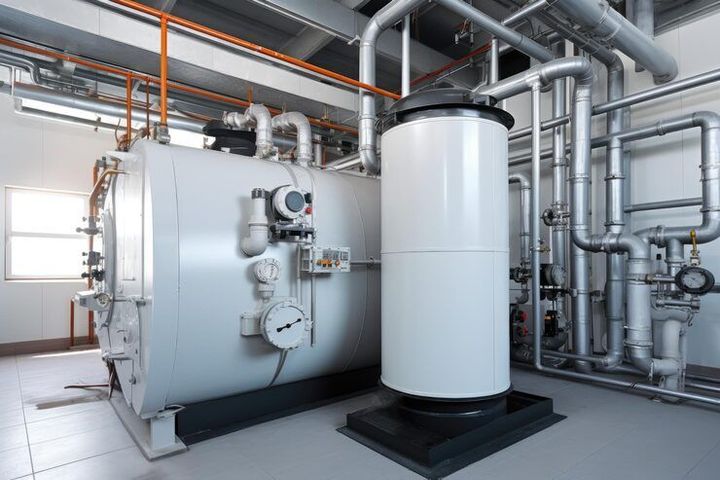
Industrial Water Heater Equipment Guide: Maintenance, Efficiency, and Performance
Industrial water heater equipment refers to large-scale heating systems designed to supply hot water for manufacturing facilities, processing plants, commercial buildings, healthcare environments, food preparation operations, and other high-demand settings. Unlike residential units, industrial systems are built to manage continuous workloads, higher water volumes, and demanding operating conditions. These systems may use electricity, gas, solar-assisted technology, steam, or hybrid energy configurations depending on operational requirements. For many organizations, industrial water heating is not simply about comfort or convenience. It plays a direct role in sanitation, production efficiency, safety, and daily operational continuity.
The comparison of industrial water heater equipment has become increasingly important worldwide because organizations are placing greater attention on energy efficiency, environmental management, and operational resilience. According to global research and industry data, energy consumption remains one of the largest operating expenses for many industrial facilities. Over the past few years, businesses internationally have also faced rising pressure to reduce energy waste while improving productivity. As a result, equipment buyers and facility managers are comparing heating technologies more carefully than before, especially when balancing long-term maintenance requirements with operational performance.
The real-world impact of industrial water heating reaches far beyond industrial facilities themselves. Reliable water heating affects food safety processes, healthcare sanitation standards, hospitality services, manufacturing timelines, and employee working conditions in many industries around the world. A poorly maintained or inefficient heating system can contribute to downtime, inconsistent water temperatures, higher energy usage, and avoidable repair expenses. On the other hand, a well-selected and properly maintained system can improve operational stability and resource management. Understanding these differences is essential before deciding which type of equipment best matches a facility’s needs, which naturally leads to examining who is most affected by these systems and the problems they are designed to solve.
Who it affects and problems it solves
Industrial water heater equipment affects a broad range of industries and professional groups globally. Facility managers, plant operators, maintenance teams, business owners, hospitality operators, healthcare administrators, and production supervisors all rely on consistent hot water access to maintain operations. Educational institutions, food processing facilities, laundry services, and large residential complexes also depend on industrial heating systems for everyday activities. Even organizations that are not directly involved in manufacturing often require industrial-grade water heating to support sanitation standards, employee comfort, or operational cleaning procedures.
Without clarity on industrial water heater equipment, many organizations worldwide end up selecting systems that do not align with their operational demands or long-term efficiency goals. Some facilities purchase oversized systems that consume unnecessary energy, while others choose smaller units that struggle to meet demand during peak periods. Maintenance planning is another common challenge. When routine inspections, cleaning schedules, and component servicing are overlooked, efficiency losses can gradually increase operating costs over time. Inconsistent water temperature control may also disrupt production processes, reduce hygiene standards, or shorten the lifespan of connected equipment.
A common global scenario involves facilities prioritizing lower upfront installation costs without fully evaluating long-term maintenance and energy consumption requirements. For example, a processing facility may install a conventional heating system that initially appears affordable but later experiences frequent scaling, corrosion, or fuel inefficiencies. These issues can lead to unexpected downtime and higher maintenance workloads. In contrast, organizations that carefully compare heating capacity, recovery rates, efficiency levels, and maintenance accessibility often experience more predictable performance over time. As industries continue adapting to changing operational expectations, recent developments in industrial water heating technology have started reshaping how facilities evaluate these systems.
Recent updates
In early 2025, many industrial equipment manufacturers introduced smarter monitoring systems that allow facility managers to track heating performance in real time. These monitoring tools can identify temperature inconsistencies, pressure irregularities, and maintenance needs before larger system failures occur. Global industry trends show increasing interest in predictive maintenance technologies because they help organizations reduce unplanned downtime and improve operational efficiency.
Over the past year, energy-efficient heating technologies have also gained more attention internationally. Heat pump water heaters, hybrid systems, and advanced condensing technologies are being adopted in more industrial settings as organizations seek to reduce energy waste. Industry discussions have increasingly focused on balancing operational performance with sustainability goals, particularly in facilities with continuous hot water demand.
Another major development involves the growing use of modular industrial water heater systems. Instead of relying on one large unit, some facilities now use multiple smaller interconnected systems that can operate independently or together depending on demand levels. This approach can improve flexibility, reduce maintenance disruptions, and support gradual expansion as operational needs grow.
Digital integration has also become more common in industrial water heating environments. Many modern systems now connect with broader building management platforms that monitor energy usage, maintenance schedules, and operational efficiency across entire facilities. These updates are encouraging businesses worldwide to compare equipment not only by heating capacity but also by long-term operational intelligence. Understanding these differences becomes easier when reviewing the major comparison factors side by side.
Comparison table
The following table compares common industrial water heater equipment categories using practical performance and maintenance factors. These parameters matter globally because facilities in many industries must balance efficiency, reliability, maintenance demands, and operational flexibility.
| Parameter | Conventional Storage Systems | Tankless Industrial Systems | Heat Pump Systems | Hybrid Systems |
|---|---|---|---|---|
| Heating Method | Stored heated water | On-demand heating | Heat transfer technology | Combined technologies |
| Energy Efficiency | Moderate | High during steady demand | Very high in suitable environments | High overall efficiency |
| Initial Installation Complexity | Moderate | Moderate to high | High | High |
| Maintenance Frequency | Regular tank servicing | Regular scaling inspections | Specialized maintenance | Multiple system checks |
| Space Requirements | Large storage area | Compact layout | Moderate to large | Moderate |
| Recovery Speed | Moderate | Fast continuous heating | Slower recovery | Balanced recovery |
| Best Operational Use | Consistent demand | Variable demand | Energy-conscious operations | Mixed-demand facilities |
| Temperature Stability | Stable stored supply | Depends on demand flow | Stable with monitoring | Highly adaptable |
| Lifespan Expectations | Long with maintenance | Long with water quality control | Long under correct conditions | Long with coordinated servicing |
| Scalability | Limited expansion flexibility | Easier modular expansion | Moderate scalability | High scalability |
| Downtime Risk | Higher during tank failure | Lower with modular setups | Depends on maintenance quality | Balanced operational risk |
| Monitoring Integration | Basic to advanced | Advanced compatibility | Strong smart controls | Advanced integrated controls |
The table highlights that no single industrial water heater type is ideal for every environment. Systems designed for maximum efficiency may require more advanced maintenance, while simpler systems may consume more energy over time. Facilities often achieve the best results when comparing long-term operational requirements rather than focusing only on installation costs. These considerations naturally connect to the broader topic of regulations, maintenance expectations, and practical guidance for selecting equipment.
Regulations and practical guidance
In most countries, industrial water heater equipment must follow internationally recognized safety and operational standards related to pressure management, temperature control, ventilation, and energy efficiency. Regulators globally tend to require regular inspections of heating systems to reduce safety risks associated with overheating, pressure buildup, or fuel-related hazards. Facilities are commonly expected to maintain accurate service records, monitor equipment condition, and follow manufacturer maintenance schedules to support safe operation.
Most jurisdictions also encourage or require energy-efficient industrial equipment through environmental guidance and operational efficiency frameworks. While the exact standards vary internationally, many facilities are expected to reduce unnecessary energy consumption and improve resource management wherever practical. This has increased attention on insulation quality, smart monitoring systems, and preventive maintenance practices that help heating equipment operate efficiently over long periods.
Maintenance planning is often one of the most important practical considerations. Industrial water heaters frequently operate under demanding conditions involving minerals, high temperatures, and continuous usage. Without routine cleaning, inspection, and component replacement, scaling and corrosion can reduce system efficiency significantly. Many organizations internationally now use preventive maintenance schedules that include pressure testing, burner inspections, sensor calibration, and water quality monitoring. These steps help reduce operational interruptions while supporting more predictable performance.
Which option suits your situation?
Facilities with stable and continuous hot water demand often benefit from systems designed for consistent output and long operational cycles. Large hospitality environments, healthcare facilities, and industrial cleaning operations may prioritize temperature stability and recovery reliability over compact equipment size. In these situations, maintenance accessibility and long-term durability are usually more important than rapid installation.
Organizations with fluctuating or seasonal demand may prefer modular or tankless systems that adjust output based on changing workloads. Facilities with variable production schedules can sometimes improve efficiency by avoiding the energy consumption associated with continuously storing large volumes of heated water. However, these systems still require careful maintenance planning to manage scaling and flow performance.
Businesses focused on energy management and sustainability goals often evaluate heat pump or hybrid systems more closely. These technologies may require higher installation planning and technical expertise, but they can provide efficiency advantages in suitable environments. Operational climate conditions, building design, and daily usage patterns all influence whether these systems deliver consistent long-term benefits.
Facilities planning future expansion may prioritize scalable systems that allow additional units to be integrated gradually over time. This approach can reduce operational disruption while supporting growing demand without replacing entire heating infrastructures. As organizations continue evaluating equipment choices, access to reliable tools and educational resources becomes increasingly valuable.
Tools and resources
Several globally recognized tools and resources can help organizations evaluate industrial water heater equipment more effectively and maintain long-term performance standards.
Energy Performance Calculators — These tools estimate heating efficiency, operating costs, and potential energy savings under different usage conditions.
Maintenance Scheduling Software — Digital maintenance platforms help facilities organize inspection schedules, service records, and preventive maintenance tasks.
Building Management Systems — Integrated monitoring systems track energy usage, temperature performance, and equipment health across industrial facilities.
Thermal Imaging Devices — These devices identify heat loss, insulation weaknesses, and uneven heating patterns within industrial systems.
Water Quality Testing Kits — Testing tools help detect mineral buildup risks, corrosion conditions, and water treatment requirements that may affect equipment lifespan.
Equipment Lifecycle Assessment Tools — Lifecycle analysis resources help organizations compare long-term operational costs, maintenance demands, and replacement timelines.
Industry Training Programs — Educational programs provide technicians and facility managers with updated guidance on safety practices, efficiency improvements, and equipment servicing methods. These resources support more informed decision-making and create a useful foundation for addressing common questions about industrial water heating systems.
Frequently asked questions
What is the main difference between storage and tankless industrial water heaters?
Storage systems heat and store water inside insulated tanks so it remains available for continuous use. Tankless systems heat water only when demand occurs, which can improve efficiency in some environments. Storage systems often provide stable temperature output during extended operations, while tankless systems may offer better flexibility for facilities with changing usage patterns. The right choice depends on demand consistency, maintenance planning, and operational priorities.
Which type of industrial water heater is usually better for energy efficiency?
Energy efficiency depends on operational conditions rather than a single equipment category. Heat pump and hybrid systems are often recognized for strong efficiency performance, especially in facilities with stable environmental conditions and advanced monitoring systems. Tankless systems may also reduce unnecessary energy use in variable-demand settings. However, maintenance quality, insulation, water conditions, and system sizing strongly influence real-world efficiency outcomes.
Are industrial water heater systems generally subject to inspections and regulations?
Yes, most industrial water heating systems are subject to safety and operational oversight in many parts of the world. Internationally, facilities are commonly expected to follow standards related to pressure management, ventilation, temperature control, and maintenance documentation. Exact requirements differ depending on local regulations, but regular inspections and preventive maintenance are widely recognized as essential for operational safety and equipment reliability.
Is it true that larger industrial water heaters always perform better?
This is a common misconception. Oversized systems may consume more energy than necessary and operate inefficiently when actual demand remains below capacity. Proper equipment sizing is generally more important than selecting the largest available system. Facilities that evaluate demand patterns, recovery rates, and operational schedules carefully often achieve better long-term performance than organizations that focus only on maximum heating capacity.
How often should industrial water heater equipment be maintained?
Maintenance frequency depends on equipment type, water quality, operating conditions, and usage intensity. Many facilities globally perform inspections monthly while scheduling deeper servicing several times each year. Systems operating under heavy workloads or hard water conditions may require more frequent cleaning and component inspections. Preventive maintenance is generally considered more cost-effective than waiting for major system failures to occur.
Conclusion
Industrial water heater equipment plays a critical role in operational reliability, sanitation, energy management, and long-term facility performance. The comparison between storage systems, tankless units, heat pump technologies, and hybrid solutions shows that each option offers different strengths related to efficiency, scalability, maintenance, and operational flexibility. Facilities that focus on correct system sizing, preventive maintenance, and realistic performance expectations are often better positioned to reduce downtime and manage energy use effectively.
For most organizations, the best decision comes from carefully evaluating operational demand, maintenance capabilities, future expansion plans, and efficiency priorities rather than focusing only on installation cost. A balanced comparison of performance, reliability, and long-term operational requirements usually provides the clearest path toward selecting suitable equipment.