Important Facts About Sheet Cutting Machines and Modern Fabrication Technologies
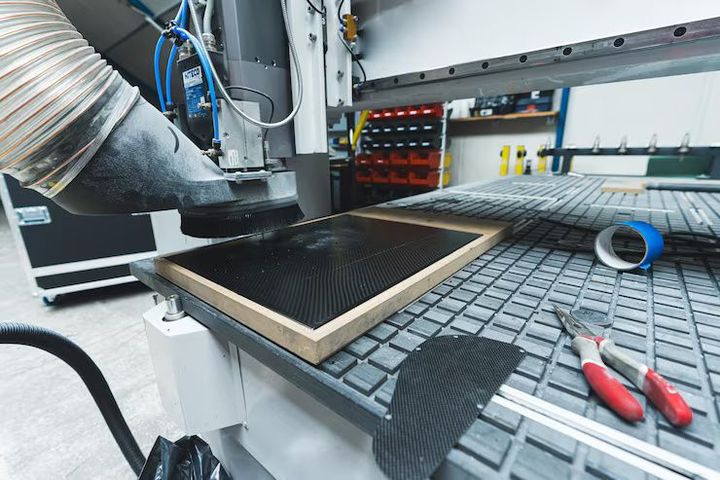
Sheet cutting machines are industrial fabrication systems designed to cut metal sheets, plastic panels, composite materials, and other flat surfaces into specific shapes and dimensions for manufacturing and construction applications. These machines use technologies such as laser cutting, plasma cutting, waterjet cutting, mechanical shearing, and CNC-controlled operations to improve precision, reduce waste, and support efficient production workflows. Sheet cutting equipment is widely used in automotive manufacturing, aerospace engineering, construction, electronics production, and industrial fabrication environments.
Globally, manufacturing and fabrication industries continue emphasizing automation, precision engineering, and production efficiency as demand for customized components and scalable industrial production increases. According to global industrial manufacturing research, businesses increasingly invest in advanced sheet cutting machines and digitally controlled fabrication systems to improve accuracy, reduce operational downtime, and support high-volume production environments. This reflects the broader expansion of smart manufacturing and automated industrial infrastructure technologies.
In practical applications, sheet cutting machines help manufacturers produce accurate parts, structural components, decorative panels, machine housings, and industrial assemblies with greater consistency than manual cutting methods. Different cutting technologies support varying material types, thickness levels, and production requirements depending on operational goals. Understanding how sheet cutting machines function and support fabrication workflows highlights their importance in modern industrial manufacturing and engineering environments.
Who It Affects & Problems It Solves
Sheet cutting machines affect a wide global audience, including manufacturers, fabrication workshops, construction companies, automotive suppliers, aerospace industries, engineering teams, and industrial designers. Machine operators, maintenance professionals, and production planners also play important roles in supporting cutting precision and workflow efficiency within fabrication environments.
Without advanced cutting technologies, manufacturers may experience inconsistent dimensions, excessive material waste, slower production speeds, and reduced fabrication accuracy. Manual cutting methods may also increase operational labor requirements and limit precision in complex component manufacturing. Sheet cutting machines help solve these challenges by automating cutting processes and supporting repeatable production accuracy.
A common scenario involves industrial facilities producing large quantities of metal components requiring highly precise dimensions and clean edge finishing. Without automated cutting systems, inconsistent results and material losses may occur more frequently. Sheet cutting technologies improve production consistency by supporting controlled cutting speeds, automated positioning, and digital precision management. These operational advantages naturally lead into recent developments shaping modern fabrication technologies and industrial automation systems.
Recent Updates
Over the past year, sheet cutting machine technologies have evolved significantly through increased automation and smart manufacturing integration. Modern systems increasingly use AI-supported cutting optimization, automated nesting software, and digital monitoring platforms to improve production efficiency and reduce material waste.
Another important trend is the growing emphasis on energy-efficient fabrication systems. Industry data suggests that manufacturers increasingly prioritize electric-powered cutting technologies and optimized energy management systems to improve sustainability within industrial operations.
Laser cutting and CNC automation technologies have also become more advanced. High-speed laser systems, automated tool positioning, and digitally connected fabrication platforms are increasingly used to improve cutting precision and support complex manufacturing requirements.
Additionally, robotic material handling and predictive maintenance systems continue gaining popularity. Automated loading systems, remote diagnostics, and production analytics tools are increasingly integrated into fabrication workflows to improve operational coordination and reduce equipment downtime. These developments provide useful context for comparing common sheet cutting technologies and manufacturing capabilities.
Comparison Table
The table below compares common sheet cutting machine technologies based on operational functionality and fabrication benefits.
| Sheet Cutting Technology | Main Function | Precision Level | Material Compatibility | Manufacturing Benefit |
|---|---|---|---|---|
| Laser Cutting Machines | High-precision thermal cutting | Very high | Metals and composites | Clean edge finishing |
| Plasma Cutting Systems | High-speed conductive material cutting | High | Metal sheets | Faster cutting speed |
| Waterjet Cutting Machines | High-pressure water cutting | Very high | Multiple materials | Minimal heat impact |
| Mechanical Shearing Machines | Straight-line sheet cutting | Moderate | Thin metal sheets | High production speed |
| CNC Cutting Systems | Computer-controlled fabrication | Extremely high | Multiple materials | Automated precision |
| Fiber Laser Machines | Energy-efficient laser cutting | Very high | Reflective metals | Reduced power usage |
| Hydraulic Cutting Machines | Pressure-based sheet cutting | Moderate to high | Heavy materials | Strong cutting force |
| Portable Cutting Systems | Mobile fabrication support | Moderate | Construction materials | Flexible operation |
| Robotic Cutting Platforms | Automated production workflows | Extremely high | Industrial materials | Reduced manual labor |
| Hybrid Fabrication Systems | Combined cutting technologies | Very high | Diverse material types | Operational versatility |
The comparison shows that different sheet cutting technologies support different manufacturing goals, from high-speed industrial cutting to precision fabrication and multi-material processing. Combining automation with accurate cutting systems often helps improve production consistency and long-term manufacturing efficiency. Understanding these distinctions naturally leads into practical guidance and fabrication planning considerations.
Regulations & Practical Guidance
In many countries, fabrication facilities and industrial machinery operations are encouraged to follow workplace safety, equipment maintenance, and operational quality practices. These standards generally focus on machine safety systems, ventilation support, protective equipment usage, and responsible material handling within manufacturing environments.
Globally, manufacturers increasingly prioritize precision automation, energy efficiency, and workflow optimization when selecting sheet cutting systems. Material thickness, production volume, edge quality, and operational scalability often influence fabrication technology decisions and long-term production strategies.
Another important consideration is preventive maintenance and cutting system calibration. Fabrication equipment operating continuously in industrial environments may require regular inspection, software updates, lubrication, and cutting head maintenance to maintain accuracy and reduce operational interruptions.
Which Option Suits Your Situation?
For manufacturers requiring highly precise cutting and detailed component production, laser cutting systems and CNC fabrication platforms may support improved accuracy and cleaner edge finishing.
For industrial operations focused on faster metal processing and large production volumes, plasma cutting systems and hydraulic cutting machines may provide stronger cutting speed and operational efficiency.
For businesses handling diverse materials or heat-sensitive fabrication environments, waterjet cutting machines and hybrid systems may support versatile processing with minimal thermal distortion.
For organizations seeking advanced automation and smart manufacturing integration, robotic cutting platforms and digitally connected fabrication systems may improve workflow coordination and reduce manual labor requirements. Choosing the right cutting system depends on material type, production scale, precision requirements, and operational efficiency goals. These considerations naturally lead into useful tools and resources.
Tools & Resources
Several tools and resources can help manufacturers better understand and manage sheet cutting operations effectively.
CNC Programming Platforms — support automated cutting design and machine coordination.
Production Monitoring Systems — provide real-time fabrication visibility and workflow tracking.
Material Analysis Tools — help evaluate cutting compatibility and processing performance.
Machine Maintenance Applications — assist with inspection scheduling and preventive servicing.
Industrial Safety Resources — provide guidance about fabrication safety and operational procedures.
Engineering Communities — enable professionals to exchange fabrication insights and manufacturing strategies.
These resources support informed fabrication decisions and efficient manufacturing planning, leading naturally into frequently asked questions.
Frequently Asked Questions
What are sheet cutting machines?
Sheet cutting machines are industrial systems designed to cut flat materials such as metal sheets, plastics, and composites into precise shapes and dimensions.
Why are sheet cutting technologies important in manufacturing?
These technologies support faster production, improved precision, reduced material waste, and greater manufacturing consistency within industrial fabrication environments.
What materials can sheet cutting machines process?
Different cutting systems may process metals, plastics, composites, glass, wood, and other industrial materials depending on the cutting technology used.
What is a common misconception about fabrication machines?
A common misconception is that all cutting machines operate similarly. In reality, different technologies vary significantly in speed, precision, material compatibility, and heat impact.
How can manufacturers improve fabrication efficiency?
Manufacturers often improve efficiency through preventive maintenance, automation integration, optimized cutting software, and selecting technologies suited to production requirements.
Conclusion
Sheet cutting machines play an important role in supporting precision fabrication, automated manufacturing, and industrial production efficiency within modern engineering environments. Their ability to deliver accurate cutting performance and scalable workflow management makes them valuable across multiple industries and fabrication applications.
For most manufacturers, selecting the right sheet cutting technology involves balancing material compatibility, production speed, precision requirements, and automation capabilities. Preventive maintenance and digital workflow optimization often contribute to stronger long-term manufacturing performance and operational reliability.
As global fabrication technologies and industrial automation systems continue evolving, sheet cutting machines are expected to become more energy-efficient, digitally connected, and integrated with advanced robotics and smart manufacturing infrastructure solutions.