Smart Fitness Equipment: Guide to Smart Workouts and Fitness Technology
Smart fitness equipment is changing the way people exercise at home and in training centers. Modern workout machines now combine digital tracking, sensors, and intelligent systems to create a more connected fitness experience.
These tools help users monitor movement, improve workout routines, and understand personal fitness progress more clearly.
Many people today prefer workouts that fit into busy daily schedules. Smart fitness technology makes this easier by providing guided exercise programs, performance tracking, and customized training suggestions. From connected treadmills to interactive bikes, fitness technology is becoming part of everyday wellness routines.
The growing popularity of interactive home gym systems shows how technology is influencing exercise habits around the world. These systems create engaging workout experiences that help users stay active and motivated.
Understanding the Concept
Smart fitness equipment refers to exercise machines and devices that use digital technology to improve workouts. These machines often include touchscreens, internet connectivity, sensors, and data tracking features.
Unlike traditional exercise equipment, smart machines can collect workout information such as:
- Heart rate
- Distance covered
- Calories burned
- Exercise duration
- Speed and resistance levels
- Movement accuracy
Some equipment also connects with wearable fitness trackers and mobile applications. This allows users to view workout history and monitor long-term progress.
AI-powered fitness trainers are another important part of this technology. These systems analyze workout patterns and suggest training adjustments based on user performance. For example, if a person struggles during a cycling session, the system may reduce resistance automatically or recommend a recovery workout.
Smart fitness technology focuses on creating a more personal and engaging exercise experience for people of different fitness levels.
Key Types or Categories
There are several categories of smart fitness equipment designed for different workout styles and goals.
Smart Cardio Machines
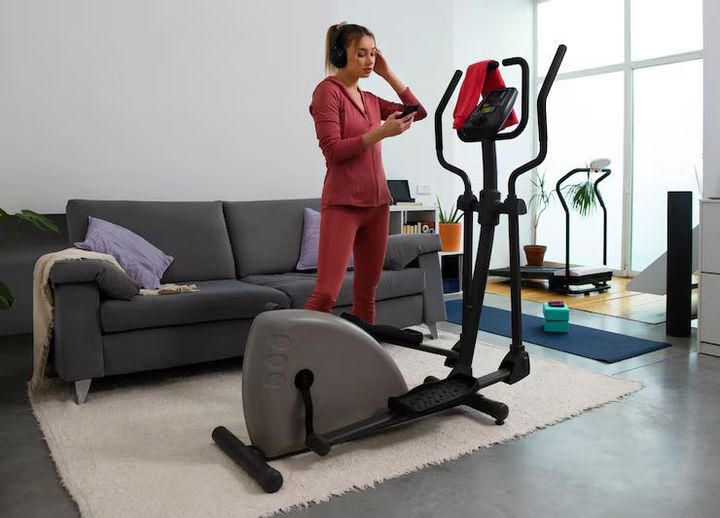
These include connected treadmills, rowing machines, exercise bikes, and ellipticals. Many models feature digital displays with guided workout programs and real-time tracking.
Popular features include:
- Virtual running environments
- Automatic resistance adjustments
- Heart rate monitoring
- Live workout classes
- Performance reports
Smart Strength Training Equipment
Strength training technology has also improved significantly. Some machines use digital resistance instead of traditional weights.
Examples include:
- Smart cable systems
- Digital resistance machines
- Connected weight benches
- Intelligent dumbbells
These tools often track repetitions, posture, and movement quality.
Wearable Fitness Technology
Wearable devices are commonly used alongside smart fitness equipment. These include:
- Smartwatches
- Fitness bands
- Heart rate monitors
- Motion sensors
They provide additional health information during exercise sessions.
Interactive Training Systems
Interactive home gym systems combine exercise equipment with virtual coaching and digital workout environments. Users can join guided training sessions and follow workout instructions directly on a screen.
These systems create a more engaging workout atmosphere, especially for home-based exercise routines.
Recovery and Wellness Equipment
Some smart fitness tools focus on recovery and muscle relaxation. Examples include:
- Smart massage devices
- Recovery boots
- Connected stretching equipment
- Sleep tracking systems
Recovery technology helps users maintain balanced fitness routines.
Important Subsections
Personalized Workout Tracking
One major advantage of smart equipment is personalized workout tracking. Machines collect data during exercise sessions and create detailed reports.
For example, a connected treadmill may show:
- Running pace
- Stride consistency
- Heart rate zones
- Distance progress over time
This information helps users understand their strengths and identify areas for improvement.
Virtual Coaching Features
Many fitness systems now include guided coaching sessions. These workouts are displayed on built-in screens and provide step-by-step exercise instructions.
AI-powered fitness trainers can also adjust training difficulty based on user performance. This creates a more flexible workout experience for beginners and experienced athletes alike.
Connectivity and Device Integration
Modern equipment often connects with:
- Mobile devices
- Smart televisions
- Fitness tracking platforms
- Wireless headphones
- Wearable trackers
This integration helps users create a connected workout environment that supports long-term fitness habits.
How It Works
Smart fitness equipment works by combining sensors, internet connectivity, and data analysis systems.
Here is a simple breakdown of the process:
- The user begins a workout session.
- Built-in sensors track movement and physical activity.
- The machine collects workout information in real time.
- Data is analyzed to measure performance.
- The system displays workout results and recommendations.
- Future workout suggestions may change based on progress.
For example, during a cycling session, sensors monitor speed, resistance, and heart rate. The machine then adjusts workout intensity or recommends recovery periods.
Some systems also use cameras or motion tracking to evaluate exercise posture. If movement form appears incorrect, the equipment provides guidance to improve technique.
Professional smart gym installation is becoming more common in homes, apartment fitness areas, and wellness centers. Proper setup helps ensure equipment works efficiently and safely within workout spaces.
Benefits and Advantages
Smart fitness equipment provides many practical benefits for modern users.
Improved Workout Motivation
Interactive displays and guided sessions help make workouts more engaging. Many people find it easier to stay active when workouts feel more dynamic and enjoyable.
Better Performance Tracking
Detailed workout information allows users to monitor progress over time. Seeing measurable improvements can encourage consistent exercise habits.
Customized Training Experiences
AI-powered fitness trainers create personalized exercise recommendations based on individual performance levels.
For example:
- Beginners may receive lighter training suggestions.
- Advanced users may receive higher-intensity routines.
- Recovery sessions may be recommended after difficult workouts.
Space Efficiency
Many smart workout systems combine multiple exercise functions into one machine. This helps users create compact home workout spaces.
Convenience
People can exercise at home without depending on crowded workout environments. Guided sessions are available at different times throughout the day.
Safety Support
Some equipment monitors movement quality and posture. This may help reduce exercise mistakes and improve training technique.
Real-World Examples or Applications
Smart fitness technology is now used in many environments.
Home Workout Spaces
Many households use connected bikes, treadmills, and strength systems for regular exercise routines. Interactive home gym systems are especially popular among people with busy schedules.
For example, a person may complete a guided cycling workout before work while tracking heart rate and workout intensity.
Apartment Wellness Areas
Modern apartment buildings often include connected fitness equipment in shared exercise spaces. Residents can access digital workout programs and performance tracking tools.
Athletic Training Centers
Sports training facilities use advanced fitness technology to monitor athlete performance. Coaches review workout data to improve training plans and recovery strategies.
Rehabilitation Programs
Some recovery centers use connected exercise equipment during rehabilitation sessions. These systems help track movement progress and exercise consistency.
Corporate Wellness Programs
Businesses are increasingly supporting employee wellness initiatives through connected exercise spaces and digital fitness programs.
Important Factors to Understand
Before using smart fitness equipment, it is important to understand several key factors.
Equipment Compatibility
Some systems connect more easily with certain devices and fitness platforms. Users should check compatibility with existing trackers or mobile devices.
Internet Connectivity
Many smart features depend on stable internet access. Slow connections may affect virtual workouts or performance tracking updates.
Workout Goals
Different equipment types support different fitness goals.
Examples include:
- Cardio improvement
- Strength development
- Flexibility training
- Recovery support
- Endurance conditioning
Selecting equipment that matches personal goals helps create better workout experiences.
Space Planning
Large exercise machines require proper room layout and ventilation. Professional smart gym installation helps organize workout spaces effectively and safely.
Data Tracking Awareness
Smart equipment collects workout information regularly. Users should understand how workout data is stored and displayed across connected systems.
Future Trends and Industry Insights
The future of smart fitness technology continues to evolve rapidly.
Advanced Artificial Intelligence
AI-powered fitness trainers are expected to become more advanced. Future systems may provide deeper workout analysis and more accurate movement guidance.
Immersive Workout Experiences
Virtual and augmented reality technology may create highly interactive workout environments. Users could exercise in simulated outdoor locations or digital training arenas.
Smarter Recovery Technology
Recovery-focused systems are becoming more sophisticated. Future devices may analyze muscle fatigue and recommend personalized recovery sessions.
Greater Home Fitness Integration
Interactive home gym systems will likely become more connected with smart home technology. Workout equipment may interact with lighting, temperature controls, and entertainment systems.
Enhanced Motion Tracking
Future machines may provide even more accurate posture analysis and movement feedback. This could improve exercise quality and reduce training mistakes.
Community-Based Training
Digital workout communities are growing quickly. Users may participate in live group workouts with people from different regions around the world.
Conclusion
Smart fitness equipment is transforming modern exercise routines through connected technology, intelligent tracking, and personalized workout experiences. From smart cardio machines to AI-powered fitness trainers, these systems help users exercise more efficiently and stay engaged with long-term fitness goals.
Interactive home gym systems continue to shape home-based exercise habits by providing guided workouts, performance tracking, and flexible training options. At the same time, professional smart gym installation helps create organized and effective workout environments for homes and shared wellness spaces.
As technology continues to improve, smart fitness equipment will likely become even more personalized, interactive, and accessible. Understanding how these systems work helps users make informed decisions about modern fitness technology and its role in healthier daily routines.