Plastic Recycling Machines: Guide to Recycling Technology and Waste Management
Recycling Technology plays an important role in modern waste management and environmental protection.
As plastic usage continues increasing around the world, managing plastic waste has become a major challenge for industries, cities, and communities.
Plastic recycling machines help process used plastic materials and convert them into reusable raw materials. These machines reduce waste accumulation, support cleaner environments, and improve resource efficiency.
Many industries now use recycling technology to handle plastic packaging, containers, industrial waste, and household materials. Recycling systems are becoming an important part of sustainable manufacturing and waste reduction strategies.
This guide explains how plastic recycling machines work, the different types available, their advantages, and how recycling technology may evolve in the future.
Understanding the Concept
Plastic recycling machines are industrial systems designed to process used plastic materials into reusable forms. Instead of sending plastic waste to landfills, recycling machines help transform discarded materials into useful products or manufacturing materials.
The recycling process usually involves:
- Collecting plastic waste
- Sorting materials
- Cleaning contaminants
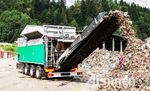
- Shredding plastic pieces
- Melting and reshaping materials
Different plastics require different recycling methods. Common recyclable plastics include:
- PET bottles
- HDPE containers
- PVC materials
- Polypropylene packaging
- Plastic films
For example, used water bottles can be cleaned, shredded, melted, and converted into small plastic pellets. These pellets may later become packaging materials, containers, or industrial components.
Plastic recycling technology supports waste reduction and helps industries reuse existing resources more efficiently.
Key Types or Categories
Plastic recycling machines come in several categories based on processing methods and industrial requirements.
Plastic Shredding Machines
Shredding machines break large plastic materials into smaller pieces.
These machines process items such as:
- Plastic containers
- Bottles
- Pipes
- Packaging materials
- Industrial scrap
Smaller plastic pieces are easier to clean and process in later recycling stages.
Washing and Cleaning Machines
Plastic waste often contains labels, dirt, adhesives, or food residue.
Washing systems clean plastic materials before melting or reshaping. Proper cleaning improves recycling quality and reduces contamination.
Plastic Granulators
Granulators cut plastic into very small flakes or granules.
These machines create uniform material sizes, which improves processing efficiency during melting and pellet production.
Extrusion Machines
Extrusion machines melt processed plastic and reshape it into reusable forms.
The melted material may become:
- Plastic pellets
- Sheets
- Tubes
- Industrial components
Extrusion systems are widely used in recycling plants and manufacturing facilities.
Pelletizing Machines
Pelletizing machines convert melted plastic into small pellets.
These pellets become raw materials for future manufacturing processes.
Many industries use recycled plastic pellets in packaging, automotive parts, and construction materials.
Important Subsections
Sorting Systems
Sorting is one of the most important recycling steps.
Different plastics have different chemical properties and melting points. Mixing incompatible materials can reduce recycling quality.
Modern recycling plants may use:
- Manual sorting
- Sensor-based systems
- Air separation technology
- Color recognition systems
Efficient sorting improves processing accuracy and material quality.
Conveyor Systems
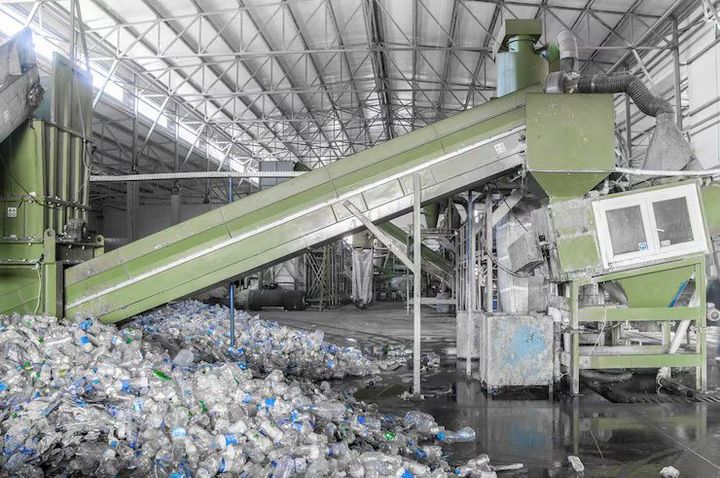
Conveyor systems move plastic materials between processing stages.
These automated transport systems improve efficiency and reduce manual handling inside recycling facilities.
Temperature Control
Plastic recycling requires controlled heating temperatures.
Excessive heat can damage materials, while insufficient heat may create processing problems.
Modern recycling machines often include automated temperature monitoring systems.
Dust and Waste Control
Some recycling processes generate dust or leftover particles.
Filtration and waste control systems help maintain cleaner industrial environments and improve operational safety.
How It Works
Plastic recycling machines follow a structured process to transform waste materials into reusable resources.
Step 1: Collection and Sorting
Plastic materials are collected from homes, factories, stores, or industrial facilities.
Workers or automated systems separate materials based on:
- Plastic type
- Color
- Size
- Material quality
Proper sorting improves recycling efficiency.
Step 2: Cleaning Process
The plastic moves into washing systems where contaminants are removed.
Cleaning may eliminate:
- Dirt
- Food residue
- Labels
- Oils
- Adhesives
Clean materials improve the quality of recycled products.
Step 3: Shredding and Grinding
Shredders and granulators reduce plastic into smaller pieces.
| Recycling Stage | Main Purpose |
|---|---|
| Shredding | Break large materials |
| Grinding | Create uniform particles |
| Washing | Remove contaminants |
| Melting | Prepare reusable material |
Smaller particles are easier to melt and process.
Step 4: Melting and Extrusion
The processed plastic enters heating chambers.
The material melts and moves through extrusion systems that shape it into usable forms.
This stage requires careful temperature management.
Step 5: Pellet Production
Some recycling systems convert melted plastic into pellets.
These pellets become raw materials for manufacturing industries.
Manufacturers later use these materials to create new plastic products.
Benefits and Advantages
Plastic recycling machines provide many environmental and industrial advantages.
Waste Reduction
Recycling helps reduce the amount of plastic waste entering landfills and natural environments.
This supports cleaner cities, rivers, and oceans.
Resource Conservation
Recycling allows industries to reuse existing materials instead of depending entirely on new raw resources.
This improves resource efficiency and supports sustainable manufacturing.
Energy Efficiency
Producing recycled plastic materials may require less energy compared to creating new plastic from raw petroleum materials.
Energy savings support environmental management goals.
Industrial Productivity
Modern recycling machines process large amounts of plastic efficiently.
Automation improves consistency and reduces manual processing time.
Environmental Protection
Plastic pollution can affect wildlife, ecosystems, and public spaces.
Recycling technology helps reduce environmental damage caused by unmanaged plastic waste.
Economic Development
The recycling industry supports manufacturing, waste management, and industrial development.
Growing demand for recycled materials continues expanding recycling infrastructure worldwide.
Real-World Examples or Applications
Plastic recycling machines are used in many industries and waste management systems.
Packaging Industry
Packaging companies use recycled plastics for:
- Containers
- Packaging films
- Bottles
- Storage products
This helps reduce industrial waste generation.
Automotive Manufacturing
Vehicle manufacturers use recycled plastic components in:
- Interior panels
- Storage compartments
- Protective covers
- Industrial fittings
Recycled materials support lightweight vehicle design and material efficiency.
Construction Industry
Construction companies use recycled plastics in products such as:
- Pipes
- Insulation materials
- Plastic lumber
- Flooring materials
These applications support sustainable construction practices.
Municipal Waste Management
Cities and waste management facilities use industrial recycling systems to process household plastic waste.
This reduces landfill pressure and improves recycling capacity.
Consumer Product Manufacturing
Manufacturers create various household items from recycled plastics, including:
- Storage containers
- Furniture components
- Gardening products
- Utility items
These applications increase the reuse of processed plastic materials.
Important Factors to Understand
Several important factors influence recycling machine performance and recycling quality.
Material Compatibility
Different plastics require different processing methods.
Incorrect material combinations can reduce product quality and processing efficiency.
Machine Capacity
Recycling facilities choose machines based on processing volume.
Small facilities may use compact systems, while industrial plants require high-capacity equipment.
Maintenance Requirements
Recycling machines operate under demanding conditions.
Regular maintenance helps improve:
- Processing efficiency
- Equipment lifespan
- Operational safety
- Material quality
Energy Consumption
Large recycling systems use electricity for shredding, washing, and heating.
Energy-efficient systems help reduce operational expenses and environmental impact.
Environmental Regulations
Many countries now enforce stricter waste management and recycling regulations.
Industries must follow environmental guidelines related to emissions, waste disposal, and recycling standards.
Future Trends and Industry Insights
Plastic recycling technology continues evolving as industries focus more on sustainability and environmental management.
AI-Based Sorting Systems
Artificial intelligence is improving plastic sorting accuracy.
Smart systems can identify material types, colors, and contaminants more efficiently than traditional methods.
Advanced Chemical Recycling
Chemical recycling breaks plastic materials into their chemical building blocks.
This process may improve recycling quality for difficult-to-process plastics.
Increased Automation
Modern recycling plants are becoming more automated.
Automation improves:
- Material handling
- Sorting speed
- Production efficiency
- Quality control
Circular Economy Growth
Many industries are moving toward circular economy models.
In this approach, materials remain in continuous use through recycling and reuse instead of disposal.
Sustainable Manufacturing Focus
Governments and industries are increasing investment in environmentally responsible manufacturing practices.
Recycling technology will likely remain a major part of future waste management strategies.
Conclusion
Plastic recycling machines play an important role in waste management, environmental protection, and sustainable manufacturing. These machines help process discarded plastics into reusable materials that support many industries and applications.
From shredding systems to extrusion and pelletizing machines, recycling technology improves material recovery and reduces environmental waste. Industries worldwide use recycling systems to improve efficiency, reduce pollution, and support resource conservation.
As recycling technology continues advancing, automation, artificial intelligence, and improved processing methods will likely make recycling more efficient and environmentally responsible. Understanding how plastic recycling machines work helps businesses and communities recognize the importance of modern waste management and sustainable resource use.