Industrial Cooling Equipment: Complete Guide to Systems and Applications
Industrial cooling equipment plays a vital role in modern manufacturing, processing, and energy production.
Many industries generate significant heat during daily operations. Without proper temperature control, machinery can lose efficiency, products may become damaged, and production processes can face interruptions.
Industrial cooling systems help maintain stable temperatures in factories, power facilities, food processing plants, data centers, and many other environments. These systems remove excess heat and create conditions that support reliable operations.
As industries continue to adopt advanced manufacturing technologies, the demand for efficient cooling equipment, industrial chillers, cooling towers, process cooling systems, and HVAC solutions continues to grow. Understanding how these systems work can help organizations improve performance, energy efficiency, and equipment longevity.
Understanding the Concept
Industrial cooling equipment refers to machinery and systems designed to remove unwanted heat from industrial processes, equipment, and facilities.
Heat is a natural byproduct of many industrial activities. Motors, compressors, generators, furnaces, and production machinery often generate large amounts of thermal energy. If this heat is not controlled, equipment performance can decline and operational reliability may suffer.
Industrial cooling systems absorb heat from machinery or processes and transfer it to another medium such as water or air. This heat is then released into the environment through specialized equipment.
Common industrial cooling technologies include:
- Industrial chillers
- Cooling towers
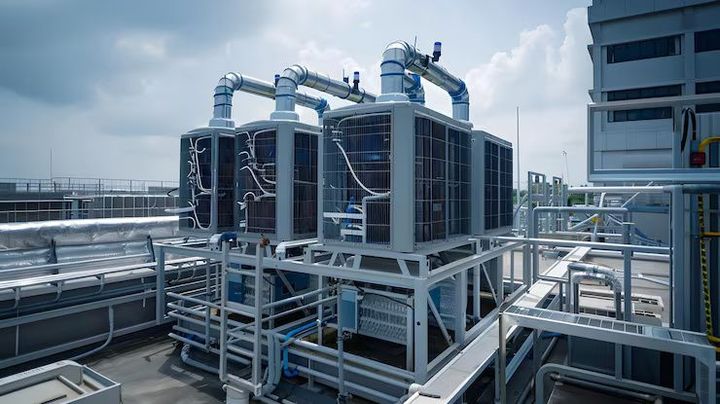
- Air cooling systems
- Water cooling systems
- Process cooling equipment
- Refrigeration systems
- Heat exchangers
Each solution is designed to address specific cooling requirements based on industry needs and operating conditions.
Key Types or Categories
Several categories of industrial cooling equipment are commonly used across different industries.
Industrial Chillers
Industrial chillers are among the most widely used cooling systems. They remove heat from water or another liquid and circulate the cooled fluid through equipment or production processes.
Common applications include:
- Plastic manufacturing
- Metal processing
- Pharmaceutical production
- Data centers
- Chemical plants
Industrial chillers help maintain precise temperature control, which is essential for product quality and equipment protection.
Cooling Towers
Cooling towers remove heat from water through evaporation and air circulation.
These systems are commonly found in:
- Power plants
- Manufacturing facilities
- Large commercial buildings
- Industrial processing centers
Cooling towers are effective for handling large heat loads and supporting continuous operations.
Air Cooling Systems
Air cooling systems use fans and airflow to remove heat from machinery and equipment.
Advantages include:
- Simple operation
- Reduced water usage
- Lower maintenance requirements
Air-cooled equipment is often used where water availability is limited.
Water Cooling Systems
Water cooling systems use circulating water to absorb and transfer heat.
These systems are frequently used in:
- Industrial machinery
- Power generation facilities
- Heavy manufacturing environments
Water cooling often provides highly efficient heat transfer compared to air-based methods.
Important Subsections
Process Cooling Equipment
Process cooling equipment focuses on maintaining temperatures during production activities.
Examples include:
- Injection molding machines
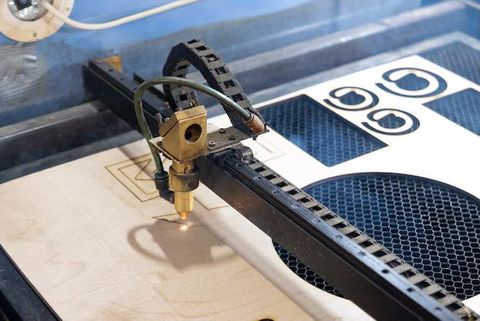
- Laser cutting systems
- Food processing lines
- Printing equipment
Consistent cooling helps ensure stable production conditions and product quality.
Heat Exchangers
Heat exchangers transfer thermal energy between two fluids without allowing them to mix.
Common benefits include:
- Improved energy efficiency
- Better temperature regulation
- Reduced equipment stress
Heat exchangers are widely used in industrial energy systems and manufacturing operations.
Refrigeration Systems
Industrial refrigeration systems maintain low temperatures for products and processes.
Industries that commonly use refrigeration include:
- Food production
- Beverage manufacturing
- Cold storage facilities
- Pharmaceutical processing
These systems help preserve product integrity and maintain controlled environments.
HVAC Solutions for Industrial Facilities
Industrial HVAC systems control temperature, airflow, and humidity within large facilities.
Effective HVAC infrastructure helps create comfortable working conditions while supporting equipment performance.
How It Works
Industrial cooling systems follow a straightforward process to remove unwanted heat.
Step 1: Heat Generation
Industrial equipment generates heat during operation.
Examples include:
- Electric motors
- Compressors
- Production machinery
- Manufacturing equipment
As operations continue, temperatures gradually increase.
Step 2: Heat Absorption
A cooling medium such as water, refrigerant, or air absorbs the excess heat.
This process prevents machinery from overheating.
Step 3: Heat Transfer
The absorbed heat moves through cooling equipment such as:
- Industrial chillers
- Heat exchangers
- Cooling towers
The system transfers heat away from critical equipment.
Step 4: Heat Dissipation
The heat is released into the surrounding environment through airflow, evaporation, or other cooling methods.
Step 5: Continuous Circulation
The cooling cycle repeats continuously to maintain stable operating temperatures.
This ongoing process helps ensure efficient and reliable industrial performance.
Benefits and Advantages
Industrial cooling equipment provides numerous operational advantages.
Improved Equipment Reliability
Excessive heat can place stress on machinery components.
Proper cooling helps reduce wear and supports longer equipment lifespan.
Enhanced Energy Efficiency
Efficient cooling systems help industrial operations manage energy consumption more effectively.
Modern cooling technologies often include advanced controls that optimize performance.
Better Product Quality
Many manufacturing processes require specific temperature ranges.
Accurate cooling helps maintain consistency and reduces production variations.
Reduced Operational Interruptions
Overheated equipment can result in unexpected shutdowns.
Reliable cooling systems help support continuous production activities.
Increased Workplace Comfort
Industrial HVAC and cooling solutions contribute to more comfortable working environments.
Stable temperatures can improve overall operational conditions.
Support for Advanced Manufacturing
Modern automation systems, robotics, and precision machinery often require effective cooling to maintain performance.
Industrial cooling equipment supports these advanced technologies.
Real-World Examples or Applications
Industrial cooling systems are used across numerous sectors.
Manufacturing Plants
Manufacturing facilities use industrial chillers and cooling towers to regulate machinery temperatures.
Applications include:
- Plastic molding
- Metal fabrication
- Electronics production
- Packaging operations
Data Centers
Data centers generate substantial heat from servers and networking equipment.
Cooling infrastructure helps maintain stable operating temperatures and supports system reliability.
Food and Beverage Processing
Temperature control is essential during food production and storage.
Industrial refrigeration systems help maintain freshness and product safety.
Power Generation Facilities
Power plants use cooling towers and heat exchangers to manage large thermal loads generated during electricity production.
Chemical Processing
Chemical manufacturing often requires precise temperature control during reactions and production stages.
Process cooling systems help maintain safe and consistent operating conditions.
Pharmaceutical Production
Many pharmaceutical processes depend on strict environmental controls.
Industrial cooling equipment supports product quality and manufacturing precision.
Important Factors to Understand
Several considerations influence the effectiveness of industrial cooling systems.
Cooling Capacity
Cooling capacity determines how much heat a system can remove.
Selecting appropriate capacity helps ensure efficient operation.
Energy Consumption
Energy efficiency is an important consideration for long-term industrial performance.
Modern systems often incorporate advanced monitoring and control technologies.
Environmental Conditions
Climate, humidity, and facility layout can affect cooling system performance.
Equipment selection should align with operating conditions.
Maintenance Requirements
Regular inspections help maintain reliable operation.
Important maintenance activities include:
- Cleaning components
- Checking airflow
- Monitoring water quality
- Inspecting pumps and valves
System Integration
Industrial cooling equipment often works alongside:
- Industrial automation systems
- Manufacturing equipment
- Building management infrastructure
- Energy management technologies
Proper integration helps maximize overall performance.
Future Trends and Industry Insights
Industrial cooling technology continues evolving to meet changing industrial demands.
Smart Cooling Systems
Advanced monitoring technologies are becoming increasingly common.
These systems can track:
- Temperature performance
- Energy usage
- Equipment status
- Operational efficiency
Real-time insights support better decision-making.
Sustainable Cooling Technologies
Environmental considerations are driving innovation in cooling equipment.
Many organizations are adopting systems designed to reduce energy consumption and improve resource efficiency.
High-Efficiency Industrial Chillers
New chiller designs focus on improved performance and lower energy requirements.
These advancements help industries optimize cooling operations.
Growth of Data Center Cooling
The expansion of cloud computing, artificial intelligence, and digital infrastructure is increasing demand for sophisticated cooling solutions.
Data center cooling remains one of the fastest-growing segments within the industrial cooling sector.
Advanced Heat Recovery Systems
Modern facilities increasingly capture and reuse waste heat generated during operations.
Heat recovery technologies improve overall energy utilization and support sustainability goals.
Conclusion
Industrial cooling equipment is a critical component of modern industrial operations. From industrial chillers and cooling towers to refrigeration systems and heat exchangers, these technologies help control temperatures, protect equipment, and support efficient production processes.
Industries such as manufacturing, energy production, food processing, pharmaceuticals, and data centers rely on effective cooling systems every day. By understanding the different types of cooling equipment, how they work, and where they are applied, organizations can make informed decisions about temperature management and operational efficiency.
As technology continues advancing, industrial cooling solutions are becoming smarter, more energy-efficient, and better suited to the evolving needs of modern industry. Their role in supporting productivity, reliability, and sustainability will remain essential for years to come.