Heavy Earthmoving Equipment: Complete Guide and Uses
Heavy earthmoving equipment refers to powerful machines designed to move, excavate, transport, level, and prepare large volumes of soil, rock, and other materials.
These machines play a vital role in construction, mining, infrastructure development, agriculture, forestry, and many other industrial sectors. Their ability to handle demanding workloads makes them essential for projects requiring precision, productivity, and durability.
As infrastructure development continues worldwide, the demand for advanced heavy earthmoving equipment has increased. Modern machines combine mechanical engineering with intelligent control systems, advanced hydraulics, telematics, and automation technologies to improve operational efficiency while supporting safer working environments. Continuous innovation has also contributed to improved fuel management, predictive maintenance, and equipment monitoring.
Heavy earthmoving equipment is no longer limited to large construction projects. It is widely used in land preparation, quarry operations, road maintenance, environmental restoration, waste management, and industrial site development. Different equipment types are designed to perform specialized tasks, allowing organizations to choose machines based on project requirements rather than a one-size-fits-all approach.
Understanding how these machines work, where they are applied, and the latest developments helps project planners, equipment managers, engineers, and beginners make informed operational decisions. The following sections explore the major applications, industry importance, technological developments, and practical considerations.
Who it affects and what problems it solves
Heavy earthmoving equipment supports numerous industries that depend on efficient material movement and land preparation. Construction companies rely on these machines to prepare foundations, create roadways, excavate utility trenches, and manage large-scale infrastructure projects. Mining operations use specialized equipment to remove overburden, transport minerals, and maintain production efficiency. Agricultural organizations apply earthmoving machinery for irrigation development, drainage improvement, and land grading.
Engineering consultants, project managers, fleet supervisors, equipment operators, environmental specialists, and site planners also depend on heavy machinery throughout project lifecycles. Proper equipment selection influences productivity, operational planning, safety performance, and maintenance scheduling.
One of the primary problems these machines solve is reducing manual labor while handling massive quantities of earth and construction materials. Without mechanized equipment, many industrial projects would require significantly longer completion times and substantially greater workforce demands.
Heavy earthmoving equipment also improves grading accuracy, excavation precision, material transportation, and site preparation. These improvements contribute to more organized project workflows and consistent operational quality across different working environments.
However, selecting inappropriate machinery remains a common mistake. Oversized equipment may reduce operational flexibility, while undersized machines can decrease productivity. Insufficient operator training, neglected maintenance schedules, and poor site planning may also reduce equipment efficiency and increase operational interruptions. Understanding machine capabilities before deployment helps organizations improve long-term equipment utilization and project outcomes.
Recent updates and industry trends
Over the past year, heavy earthmoving equipment has continued evolving through digital technologies, automation, and intelligent fleet management solutions. Manufacturers increasingly integrate machine guidance systems, advanced GPS positioning, remote diagnostics, and telematics into new equipment models. These technologies help operators monitor machine performance, optimize utilization, and improve maintenance planning.
Recent industry research suggests that predictive maintenance systems are becoming more common across industrial fleets. Sensors continuously monitor hydraulic pressure, engine health, component temperatures, vibration patterns, and operating hours. Maintenance teams can identify potential issues before they develop into significant mechanical failures.
Many organizations globally are also adopting semi-autonomous operating technologies. Intelligent control systems assist with excavation depth, blade positioning, grading accuracy, and repetitive earthmoving tasks. These systems help improve consistency while reducing operator fatigue during extended operations.
Another noticeable trend is improved energy efficiency. Manufacturers continue developing cleaner engine technologies, hybrid power systems, optimized hydraulic controls, and smarter fuel management solutions. Fleet management platforms now generate operational reports that support equipment scheduling, maintenance planning, utilization analysis, and productivity improvements.
Artificial intelligence, machine learning, digital mapping, remote equipment monitoring, industrial automation, predictive analytics, fleet management systems, construction technology, hydraulic systems, and asset management platforms continue influencing the future direction of heavy earthmoving equipment worldwide.
Comparing different approaches to heavy earthmoving equipment
Different earthmoving machines are designed for specific operational objectives. Understanding their strengths helps organizations select suitable equipment for different project requirements.
| Comparison Factor | Conventional Equipment | Modern Intelligent Equipment |
|---|---|---|
| Efficiency | Good | Very High |
| Automation | Limited | Advanced assistance systems |
| Scalability | Moderate | Highly scalable |
| Maintenance Planning | Scheduled intervals | Predictive monitoring |
| Operational Flexibility | Moderate | High |
| Working Speed | Operator dependent | Optimized through guidance systems |
| Reliability | Proven mechanical systems | Enhanced with diagnostics |
| Energy Management | Traditional engines | Improved efficiency technologies |
| Implementation Complexity | Lower | Moderate |
| Integration Capability | Limited digital connectivity | Compatible with fleet management platforms |
Conventional equipment continues to provide dependable performance for many industrial operations, particularly where straightforward mechanical reliability is the primary requirement. These machines remain widely used because of their familiarity, durability, and established maintenance procedures.
Modern intelligent equipment introduces advanced monitoring capabilities, improved operational precision, and better equipment utilization through connected technologies. As digital transformation continues across industrial sectors, many organizations are gradually integrating these technologies into their equipment fleets to support long-term operational efficiency.
Regulations and practical guidance
Heavy earthmoving equipment operates in environments where safety, reliability, and efficiency are essential. Although regulations vary depending on local requirements, many organizations follow internationally recognized standards for machine design, operator safety, maintenance, and environmental responsibility. Adhering to these standards helps improve workplace safety while supporting consistent equipment performance.
Before operating any machine, organizations typically conduct site assessments to identify ground conditions, underground utilities, slopes, weather influences, and nearby personnel. Proper planning helps reduce operational risks and improves project coordination. Operators should also understand machine limitations, load capacities, and recommended operating procedures before beginning work.
Routine inspections remain one of the most effective ways to maintain equipment reliability. Daily checks often include hydraulic systems, engine fluids, tires or tracks, braking systems, lighting, attachments, and safety controls. Preventive maintenance schedules based on operating hours help identify wear before it develops into significant mechanical issues.
Environmental responsibility has also become an important consideration. Many organizations focus on reducing emissions, minimizing unnecessary fuel consumption, controlling dust, limiting noise, and managing hydraulic fluids responsibly. Proper site restoration after excavation activities further supports sustainable project management.
Training remains equally important. Operators who understand machine controls, safety procedures, emergency responses, and equipment capabilities are generally better prepared to work efficiently while minimizing operational interruptions. Clear communication among operators, supervisors, and maintenance teams also contributes to safer and more organized project execution.
Which option suits different situations?
Small operations
Compact excavators, mini loaders, and smaller bulldozers are often suitable for projects with limited working space, landscaping activities, utility installation, and light earthmoving tasks where maneuverability is important.
Large-scale systems
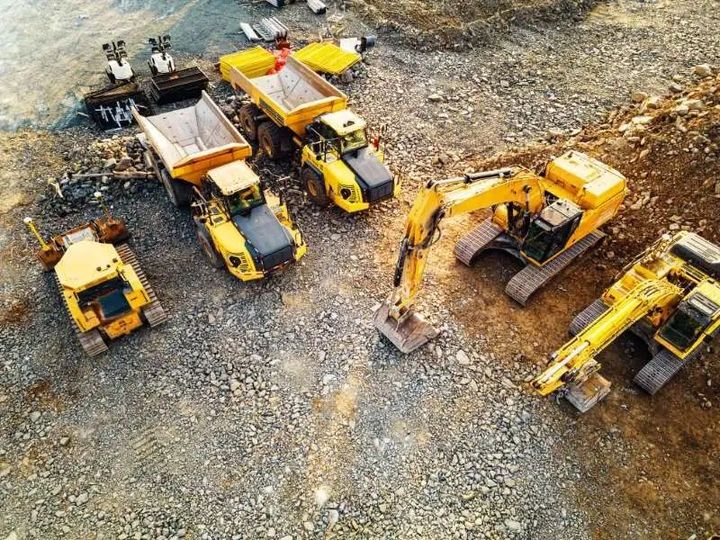
Major infrastructure developments, mining operations, large construction sites, and quarry projects typically require high-capacity excavators, articulated dump trucks, wheel loaders, graders, and crawler bulldozers capable of handling continuous heavy workloads.
Beginners
Individuals new to heavy earthmoving equipment benefit from starting with structured operator training, simulator-based learning, supervised practical experience, and machines equipped with operator assistance technologies.
Experienced professionals and growing organizations
Organizations expanding their operations often benefit from connected fleet management systems, predictive maintenance programs, telematics, machine guidance technology, and standardized maintenance procedures that improve long-term fleet utilization.
Tools and resources
Several digital tools and operational resources help improve equipment management, maintenance planning, and project coordination.
Fleet Management Systems — Monitor equipment utilization, operating hours, and maintenance schedules across multiple machines.
Telematics Platforms — Collect machine performance data, engine diagnostics, location tracking, and operational insights.
Digital Maintenance Management Systems — Organize preventive maintenance schedules, inspection records, and service history.
Machine Guidance Systems — Improve grading, excavation accuracy, and operator productivity using positioning technology.
Operator Training Simulators — Allow operators to develop practical skills in controlled learning environments before field operations.
Equipment Inspection Checklists — Standardized inspection documents help maintain consistent daily safety and maintenance routines.
Project Planning Software — Supports scheduling, equipment allocation, resource planning, and overall project coordination.
Frequently asked questions
What is heavy earthmoving equipment?
Heavy earthmoving equipment includes specialized machines designed to excavate, transport, grade, lift, and move large amounts of soil, rock, or construction materials. Common examples include excavators, bulldozers, loaders, graders, dump trucks, and backhoe loaders. Each machine is designed for particular tasks depending on site conditions and project objectives.
What is the difference between construction equipment and earthmoving equipment?
Earthmoving equipment focuses primarily on excavation, grading, material movement, and land preparation. Construction equipment is a broader category that also includes cranes, concrete machinery, lifting equipment, paving machinery, material handling systems, and other machines used throughout different phases of construction projects.
How does technology improve heavy earthmoving equipment?
Modern equipment increasingly incorporates telematics, GPS guidance, automation assistance, predictive maintenance, hydraulic control improvements, and digital fleet management systems. These technologies help improve operational visibility, maintenance planning, equipment utilization, grading accuracy, and overall project coordination while supporting safer operating practices.
Why is preventive maintenance important?
Preventive maintenance helps identify worn components before they develop into larger mechanical issues. Regular inspections, lubrication, hydraulic system checks, engine servicing, and scheduled component replacement improve equipment reliability, reduce unexpected downtime, and extend machine operating life under demanding working conditions.
What trends are shaping the future of heavy earthmoving equipment?
Future developments are expected to focus on greater automation, artificial intelligence, predictive analytics, hybrid power technologies, remote monitoring, connected fleet management, digital project integration, and more sustainable equipment designs. These innovations aim to improve efficiency, operational planning, environmental performance, and long-term asset management across many industries.
Conclusion
Heavy earthmoving equipment continues to play a fundamental role in construction, mining, infrastructure development, agriculture, and numerous industrial applications. Understanding the capabilities of different machine types, selecting equipment appropriate for project requirements, and following structured maintenance practices contribute to safer operations and improved productivity. Advances in automation, telematics, and predictive maintenance are also transforming how organizations manage equipment fleets and operational planning.
Rather than focusing only on machine size or power, successful equipment selection depends on project scope, site conditions, operator experience, maintenance planning, and long-term operational objectives. A balanced approach that combines appropriate equipment with skilled operators and effective management practices helps achieve consistent performance while reducing operational challenges.
Looking ahead, worldwide developments in digital technologies, intelligent automation, connected equipment, and sustainability initiatives are expected to further influence heavy earthmoving equipment. Organizations that remain informed about these evolving trends will be better prepared to adapt to changing industry expectations and improve the efficiency of future projects.