Ready Mix Concrete Plant Optimization Guide for Modern Construction
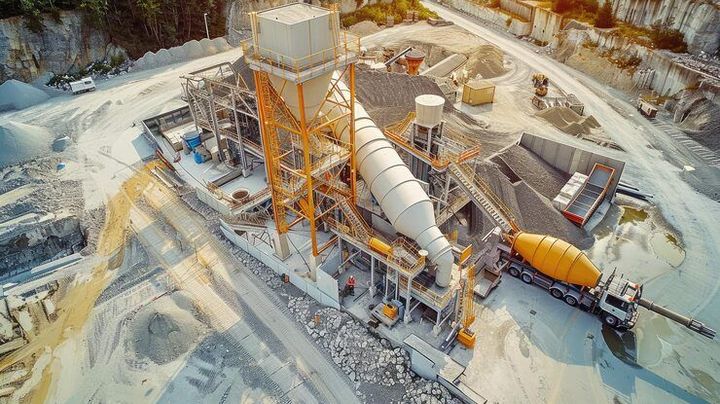
Ready mix concrete plants play an essential role in the modern construction industry by producing concrete in controlled environments before it is delivered to project sites. These plants combine materials such as cement, water, aggregates, and additives in carefully measured proportions to create consistent concrete mixes for residential, commercial, and infrastructure projects. Optimization in this context means improving production efficiency, reducing waste, enhancing quality control, and maintaining reliable delivery schedules. For construction businesses operating in competitive markets, plant optimization has become increasingly important because even small improvements can reduce delays and improve long-term operational stability.
The need for better optimization practices has grown globally as construction projects become larger, more complex, and more dependent on reliable material supply chains. According to global construction research, many contractors and developers are focusing more on automation, digital monitoring, and sustainable production methods to improve operational performance. Rising environmental awareness and growing pressure to reduce material waste have also encouraged companies to modernize their batching systems and transportation processes. As urban development and infrastructure expansion continue internationally, efficient ready mix concrete operations are becoming a major priority for construction professionals.
The real-world impact of optimization extends beyond plant owners and contractors. Faster production times, improved material consistency, and lower waste levels can influence project costs, worker productivity, and long-term structural quality. Poorly optimized operations often lead to delays, equipment breakdowns, and inconsistent concrete performance, which may affect construction timelines globally. Understanding how optimization strategies work is therefore valuable for a wide range of professionals connected to the construction ecosystem, leading naturally into who this topic affects most directly.
Who It Affects & Problems It Solves
Ready mix concrete plant optimization affects construction company owners, plant managers, engineers, logistics coordinators, equipment operators, and project planners around the world. It also influences suppliers, transportation teams, and property developers who depend on reliable concrete delivery schedules. Smaller contractors may focus on minimizing operational costs, while larger organizations often prioritize production scalability and quality consistency across multiple project sites. Even workers on construction sites benefit from smoother concrete supply chains because reliable deliveries reduce downtime and improve coordination between teams.
Without clear optimization strategies, many construction businesses face operational inefficiencies that increase production costs and reduce project reliability. Inconsistent batching can lead to uneven concrete quality, while poor fleet management may result in delivery delays and wasted material. Equipment failures caused by inadequate maintenance can disrupt entire production schedules. In many cases, companies also struggle with balancing production speed and environmental responsibility. These challenges are especially significant in projects where timelines are strict and material consistency directly affects structural performance.
A common global scenario involves construction projects experiencing delays because of poor communication between batching plants and transportation teams. For example, a plant may produce concrete faster than delivery vehicles can transport it, causing unnecessary material waste and operational bottlenecks. In other cases, outdated monitoring systems prevent managers from identifying inefficiencies until problems become costly. These practical challenges have encouraged the industry to adopt smarter technologies and updated operational practices over the past year, making recent developments especially important to understand.
Recent Updates
Over the past year, many ready mix concrete plants have increased their use of digital monitoring systems to improve production visibility. Advanced software platforms are being used to track batching accuracy, material consumption, and equipment performance in real time. These systems help plant managers identify operational inefficiencies earlier and make faster decisions during high-demand periods. Industry data suggests that digital monitoring is becoming more common because it supports better production planning and reduces avoidable downtime.
In early 2025, sustainability continued to influence optimization strategies across the global construction industry. More plants began experimenting with recycled aggregates, water recovery systems, and energy-efficient machinery to reduce environmental impact. Construction firms are also paying closer attention to fuel usage in transportation fleets because delivery operations represent a significant part of overall production costs. As environmental standards evolve internationally, companies are increasingly integrating sustainability into operational planning rather than treating it as a separate initiative.
Automation has also expanded across batching and quality control operations. Automated weighing systems, moisture sensors, and predictive maintenance tools are helping operators maintain more accurate mix designs while reducing human error. Predictive maintenance technology has become especially important because it can identify early signs of equipment wear before major failures occur. This proactive approach supports more stable production schedules and helps reduce expensive emergency repairs.
Another important shift involves workforce training and operational transparency. Many companies are investing more in employee education to ensure workers can manage advanced systems safely and efficiently. At the same time, project clients increasingly expect detailed production records and quality documentation throughout construction phases. These trends demonstrate why comparing optimization methods carefully is now essential for construction professionals globally, leading naturally into the following comparison overview.
Comparison Table
The table below compares important optimization factors commonly considered in ready mix concrete plant operations. These parameters matter universally because they directly affect productivity, cost control, material quality, and long-term operational reliability.
| Parameter | Traditional Operations | Optimized Operations |
|---|---|---|
| Production Monitoring | Manual observation | Real-time digital tracking |
| Material Waste | Higher due to inconsistencies | Reduced through precise batching |
| Equipment Maintenance | Reactive repairs | Predictive maintenance planning |
| Delivery Coordination | Limited communication | Integrated fleet scheduling |
| Energy Efficiency | Higher energy consumption | Energy-saving equipment usage |
| Quality Control | Periodic manual testing | Automated continuous monitoring |
| Workforce Training | Basic operational focus | Ongoing technical education |
| Data Management | Paper-based records | Centralized digital systems |
| Environmental Practices | Limited recycling systems | Water recovery and recycling |
| Operational Downtime | Frequent unexpected interruptions | Reduced through preventive planning |
The comparison shows a consistent pattern in which optimized operations rely more heavily on automation, planning, and data analysis. Traditional systems may still function adequately for smaller projects, but optimized methods generally improve efficiency, quality consistency, and long-term sustainability. These operational differences also influence how plants comply with broader industry standards and practical guidance frameworks internationally.
Regulations & Practical Guidance
In most countries, construction and industrial regulators require ready mix concrete plants to follow safety, environmental, and quality management standards. These standards often include requirements related to dust control, wastewater management, worker safety procedures, and material consistency testing. Internationally recognized quality management systems are commonly used to improve operational transparency and ensure that concrete mixes meet expected performance standards. Companies that fail to maintain proper quality controls may experience project delays, increased waste, or contractual disputes.
Environmental oversight has also become more important globally as construction activity expands. Many jurisdictions encourage plants to reduce emissions, recycle unused materials, and manage water resources responsibly. While exact requirements vary depending on local regulations, industry guidance generally supports energy-efficient equipment, responsible transportation planning, and proper disposal practices. Operational documentation is also increasingly important because project stakeholders often request detailed production records to verify quality and compliance throughout construction processes.
At a practical level, plant operators benefit from conducting regular equipment inspections, maintaining accurate batching records, and investing in workforce training programs. Preventive maintenance schedules help reduce unexpected breakdowns, while digital inventory systems improve material planning. Construction firms that integrate production data with logistics coordination often experience smoother workflows and better communication between project teams.
Which Option Suits Your Situation?
For smaller construction companies managing local or medium-scale projects, gradual optimization may be the most practical approach. Investing first in maintenance planning and basic digital monitoring can improve production reliability without requiring immediate large-scale operational changes. This approach allows businesses to improve efficiency steadily while maintaining manageable operating costs.
For organizations handling large infrastructure or commercial developments, advanced automation and integrated fleet management systems may provide greater long-term value. These operations often depend on strict delivery schedules and high production volumes, making real-time monitoring and predictive maintenance especially beneficial. Improved coordination between batching plants and transportation teams can significantly reduce delays in complex projects.
Self-managed contractors or independent project operators may benefit most from focusing on quality consistency and supplier coordination. Reliable concrete performance is often more important than maximizing production speed in smaller operations. Careful planning and communication with suppliers can reduce material waste and improve project timelines without requiring extensive automation investments.
For businesses prioritizing environmental responsibility, optimization strategies involving recycled materials, water recovery systems, and energy-efficient equipment may align better with long-term sustainability goals. As construction standards continue evolving internationally, balancing operational efficiency with environmental awareness is becoming increasingly important, naturally leading into the tools and resources that support these objectives.
Tools & Resources
Several widely accessible tools and resources can help construction professionals improve ready mix concrete plant operations and production planning.
Batching Control Software — Digital systems that monitor material proportions, production timing, and batching accuracy to improve consistency.
Fleet Tracking Platforms — Logistics management tools that help coordinate delivery vehicles, optimize routes, and reduce transportation delays.
Predictive Maintenance Systems — Monitoring platforms that identify early signs of equipment wear and support preventive maintenance scheduling.
Quality Testing Applications — Digital testing and reporting tools that help operators document concrete consistency and production quality.
Environmental Monitoring Tools — Systems that track water usage, dust control performance, and energy consumption for sustainability management.
Training Simulation Platforms — Educational resources that allow plant operators and workers to practice operational procedures and safety standards.
Inventory Management Systems — Software solutions that monitor material stock levels and improve purchasing and storage planning.
These resources support more informed operational decisions and help construction teams adapt to changing industry expectations. Understanding common questions about optimization strategies can further clarify how these systems work in practical situations.
Frequently Asked Questions
What is ready mix concrete plant optimization?
Ready mix concrete plant optimization refers to improving production efficiency, material consistency, equipment reliability, and delivery coordination within concrete manufacturing operations. The goal is to reduce waste, minimize delays, and maintain stable product quality. Optimization may involve automation, predictive maintenance, digital monitoring, and improved logistics planning. These strategies help construction companies manage resources more effectively while supporting safer and more sustainable operations.
Which type of optimization strategy is best for different businesses?
The most suitable optimization strategy depends on production scale, project complexity, and operational priorities. Smaller businesses may benefit from focusing on preventive maintenance and basic monitoring systems, while larger operations often require advanced automation and integrated logistics management. Companies handling environmentally sensitive projects may prioritize energy efficiency and recycling systems. Selecting the right approach involves balancing budget considerations, production needs, and long-term operational goals.
Are there general regulatory requirements for ready mix concrete plants?
In many regions globally, ready mix concrete plants must follow rules related to worker safety, environmental protection, and product quality control. Regulations commonly address dust management, wastewater handling, equipment maintenance, and testing procedures. While exact standards differ internationally, most construction authorities expect operators to maintain accurate production records and follow consistent operational practices. Compliance helps reduce operational risks and supports reliable construction outcomes.
What is a common misconception about plant optimization?
A common misconception is that optimization only involves expensive automation systems. In reality, many improvements can begin with better maintenance schedules, clearer communication between teams, and improved inventory planning. Even relatively small operational adjustments may reduce waste and improve efficiency. Another misunderstanding is that optimization focuses only on speed, when it also includes quality control, sustainability, and long-term equipment reliability.
Is there a practical limit to optimization improvements?
Most optimization improvements are influenced by operational scale, workforce training, equipment condition, and project requirements. Plants can continue improving efficiency over time, but progress often becomes more gradual after major systems are modernized. Companies should focus on realistic goals that align with production needs and available resources. Continuous monitoring and regular process reviews are generally more effective than expecting immediate large-scale performance changes.
Conclusion
Ready mix concrete plant optimization has become an important priority for the global construction industry because it directly affects operational efficiency, quality consistency, sustainability, and project reliability. The comparison between traditional and optimized systems highlights clear advantages in areas such as predictive maintenance, digital monitoring, logistics coordination, and environmental management. As construction projects become increasingly complex, companies that improve operational planning and communication are generally better positioned to reduce waste and maintain stable production performance.
The most effective optimization strategy depends on each organization’s production scale, operational goals, and available resources. Smaller businesses may achieve meaningful improvements through maintenance planning and better workflow coordination, while larger operations often benefit from automation and integrated monitoring systems. A balanced approach that combines efficiency, quality control, and sustainability is usually the most practical long-term solution.