Portable Ultrasound Machines: Explore Guide, Basics, Tips, Insights, Knowledge, Facts, and Helpful Resources
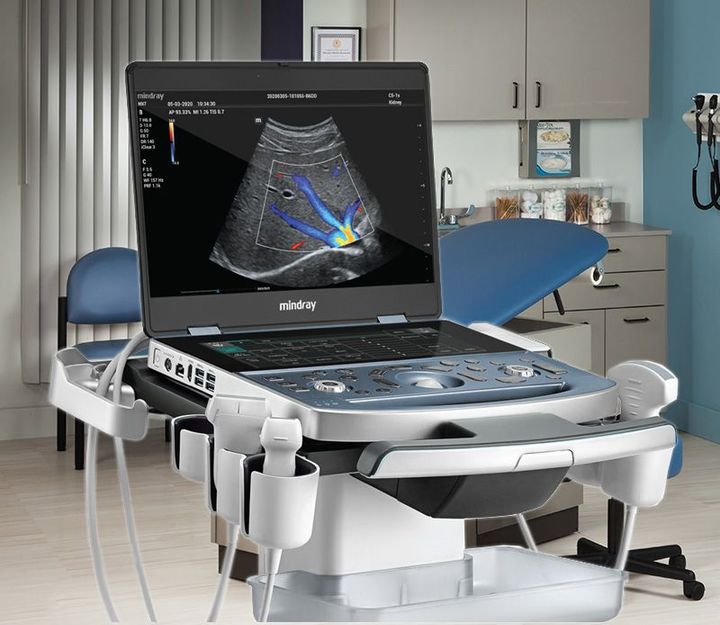
Portable ultrasound machines are compact medical imaging devices designed to create real-time images of internal body structures using high-frequency sound waves. Unlike traditional large ultrasound systems found in dedicated imaging departments, portable models are built for mobility and flexibility.
The technology was developed to help healthcare professionals perform diagnostic imaging in a wider range of environments, including emergency departments, outpatient clinics, rural healthcare settings, ambulances, and bedside care locations. These systems allow medical teams to assess organs, blood flow, muscles, and soft tissues without relying on ionizing radiation.
Portable ultrasound technology has evolved significantly over the past decade. Advances in medical imaging software, digital signal processing, wireless connectivity, cloud-based data management, and artificial intelligence have expanded its capabilities. Many modern systems can now connect to tablets, smartphones, or hospital information systems, improving workflow efficiency and diagnostic support.
As healthcare systems continue to prioritize accessibility and rapid diagnostics, portable ultrasound machines have become an increasingly important component of modern medical imaging infrastructure.
Why Portable Ultrasound Machines Matter Today
The demand for portable diagnostic imaging continues to grow because healthcare providers increasingly require fast and flexible assessment tools. Portable ultrasound machines support timely decision-making in various clinical scenarios.
Some important benefits include:
- Real-time diagnostic imaging at the point of care
- Reduced need for patient transportation
- Improved access to medical imaging in remote locations
- Support for emergency and critical care situations
- Enhanced workflow efficiency in healthcare facilities
- Lower radiation exposure compared with certain imaging methods
Healthcare professionals who commonly use portable ultrasound systems include:
| Healthcare Area | Common Applications |
|---|---|
| Emergency Medicine | Trauma assessment and rapid diagnosis |
| Cardiology | Heart function evaluation |
| Obstetrics | Pregnancy monitoring |
| Critical Care | Bedside patient assessment |
| Sports Medicine | Muscle and tendon evaluation |
| Primary Care | Initial diagnostic investigations |
Portable ultrasound technology also helps address healthcare access challenges in underserved regions where large imaging centers may not be readily available.
Key Features Commonly Found in Modern Systems
Healthcare organizations often evaluate portable ultrasound machines based on several technical characteristics.
| Feature | Purpose |
|---|---|
| Doppler Imaging | Assessment of blood flow |
| Wireless Connectivity | Data transfer and remote consultation |
| Cloud Integration | Image storage and sharing |
| AI-Assisted Analysis | Decision support and workflow enhancement |
| Touchscreen Interface | Simplified operation |
| Battery Operation | Mobility and field use |
| Multiple Transducers | Expanded clinical applications |
These capabilities contribute to improved diagnostic imaging efficiency and support evidence-based clinical decision-making.
Recent Updates and Trends in Portable Ultrasound Technology
The portable ultrasound market has experienced notable technological developments during 2025 and 2026.
Artificial Intelligence Integration
AI-assisted ultrasound imaging continues to expand. During 2025, several manufacturers introduced software tools capable of helping clinicians identify anatomical structures, automate measurements, and improve image quality. These developments aim to support diagnostic consistency and workflow optimization.
Handheld Ultrasound Growth
Handheld ultrasound devices connected to smartphones and tablets gained greater adoption throughout 2025. These systems provide highly portable imaging options for point-of-care ultrasound examinations.
Cloud-Based Diagnostic Imaging
Healthcare providers increasingly use cloud-enabled imaging platforms. These systems facilitate secure image storage, telemedicine consultations, and collaboration among healthcare professionals across different locations.
Improved Battery Performance
Manufacturers released newer portable systems in late 2025 and early 2026 featuring longer battery life, faster charging capabilities, and lighter designs to support mobile healthcare environments.
Expanded Telehealth Applications
Portable ultrasound technology is increasingly being incorporated into telemedicine workflows. Remote imaging support and specialist consultation models continue to evolve, especially in geographically dispersed healthcare systems.
Portable Ultrasound Technology Trends
AI Integration        ██████████████  High
Cloud Connectivity    █████████████  Growing
Handheld Devices      ███████████████ Very High
Telemedicine Use      ████████████   Growing
Battery Innovation    ███████████    Moderate
The trend data above reflects broader industry developments reported by healthcare technology organizations and medical imaging researchers during 2025–2026.
Regulations, Standards, and Healthcare Policies
Portable ultrasound machines operate within a highly regulated healthcare environment. Regulations are intended to ensure patient safety, device reliability, image quality, and data security.
Several areas commonly influence portable ultrasound deployment:
| Regulatory Area | Purpose |
|---|---|
| Medical Device Certification | Safety and performance verification |
| Diagnostic Imaging Standards | Image quality requirements |
| Data Privacy Regulations | Protection of patient information |
| Healthcare Facility Guidelines | Clinical use standards |
| Quality Assurance Programs | Equipment performance monitoring |
Healthcare authorities in many countries require manufacturers to demonstrate compliance with medical device regulations before portable ultrasound equipment can be used clinically.
Healthcare facilities often implement policies related to:
- Equipment maintenance schedules
- Clinical competency training
- Diagnostic imaging documentation
- Cybersecurity controls
- Patient privacy protection
- Quality assurance procedures
The increasing use of cloud-connected medical imaging systems has also led to greater attention on cybersecurity frameworks and healthcare data governance policies.
Helpful Tools and Resources
A variety of digital resources support healthcare professionals, students, researchers, and administrators working with portable ultrasound technology.
Educational Resources
- Medical imaging learning platforms
- Ultrasound anatomy reference guides
- Clinical case libraries
- Continuing medical education programs
- Diagnostic imaging textbooks
Digital Tools
- DICOM image viewers
- Medical image management software
- Telemedicine collaboration platforms
- Cloud-based imaging archives
- Clinical reporting systems
Research Resources
- Medical imaging journals
- Healthcare technology publications
- Clinical practice guidelines
- Radiology research databases
- Biomedical engineering resources
Common Ultrasound Measurements
| Measurement Category | Clinical Purpose |
|---|---|
| Cardiac Measurements | Heart function assessment |
| Vascular Measurements | Blood flow evaluation |
| Obstetric Measurements | Fetal development monitoring |
| Musculoskeletal Measurements | Injury assessment |
| Abdominal Measurements | Organ evaluation |
These tools and resources help improve understanding of diagnostic imaging technologies and support ongoing professional development.
Practical Tips for Understanding Portable Ultrasound Systems
Individuals interested in learning about portable ultrasound technology can focus on several key concepts.
- Learn basic ultrasound physics and sound wave principles.
- Understand differences between portable and conventional systems.
- Explore point-of-care ultrasound applications.
- Study image interpretation fundamentals.
- Review healthcare data security considerations.
- Stay informed about AI-assisted diagnostic imaging developments.
- Follow updates from medical imaging organizations and healthcare technology research groups.
A foundational understanding of these topics can help healthcare professionals and students better evaluate emerging medical imaging technologies.
Frequently Asked Questions
What is a portable ultrasound machine?
A portable ultrasound machine is a compact diagnostic imaging device that uses high-frequency sound waves to create real-time images of internal body structures. It is designed for mobility and use in various healthcare settings.
How does portable ultrasound differ from traditional ultrasound systems?
Portable systems are smaller, lighter, and easier to transport. Traditional systems often offer more advanced imaging capabilities but typically remain in dedicated imaging departments.
Is ultrasound considered a safe imaging method?
Ultrasound does not use ionizing radiation. When used according to established medical guidelines, it is widely considered a safe diagnostic imaging technique.
What is point-of-care ultrasound?
Point-of-care ultrasound refers to imaging performed directly at the patient's location by a healthcare provider, enabling rapid assessment and clinical decision-making.
How is artificial intelligence being used in portable ultrasound?
AI technologies help automate measurements, improve image quality, identify anatomical structures, and support clinical workflow efficiency. These tools assist healthcare professionals but do not replace clinical judgment.
Can portable ultrasound support telemedicine?
Yes. Many modern systems allow secure image sharing, cloud connectivity, and remote consultation, making them useful components of telemedicine and digital healthcare workflows.
Conclusion
Portable ultrasound machines have transformed diagnostic imaging by bringing real-time medical imaging closer to the patient. Their combination of mobility, digital connectivity, advanced imaging capabilities, and growing artificial intelligence integration has expanded their role across numerous healthcare settings.
Recent developments in handheld devices, cloud-based imaging platforms, telemedicine integration, and AI-assisted diagnostics continue to shape the future of portable ultrasound technology. At the same time, healthcare regulations, quality standards, and cybersecurity requirements remain essential for ensuring safe and effective clinical use.
As medical imaging technology continues to evolve through 2026 and beyond, portable ultrasound machines are expected to remain a significant tool for improving diagnostic accessibility, supporting healthcare efficiency, and enhancing patient-centered care.