Pneumatic Tools Explained: Practical Uses, Safety Tips, and Performance Guide
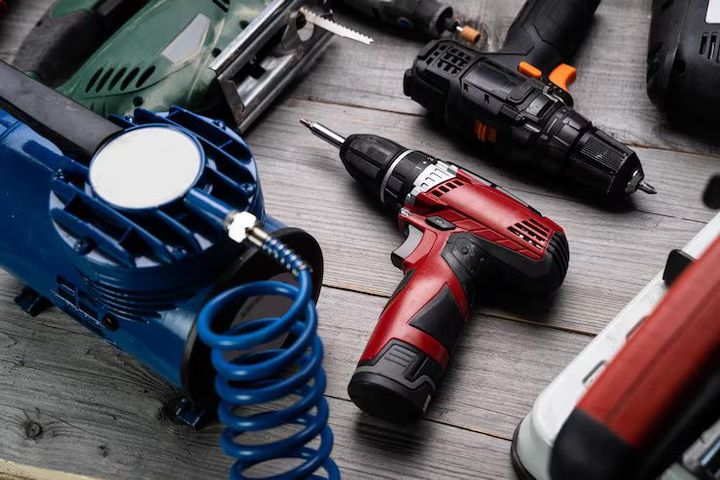
Pneumatic tools are power tools that operate using compressed air instead of electricity or fuel. They are commonly used in workshops, construction sites, manufacturing facilities, automotive repair environments, and maintenance operations. These tools include impact wrenches, nail guns, spray guns, air drills, grinders, and sanders. Because they rely on compressed air, pneumatic tools are often valued for their lightweight structure, steady power delivery, and ability to handle repetitive tasks efficiently. For beginners, understanding how these tools work can make daily tasks easier, safer, and more productive across many professional and personal applications.
Globally, industries are increasingly focused on improving workplace efficiency while reducing downtime and maintenance costs. According to global research on industrial productivity trends, many organizations are investing in equipment that combines durability with operational flexibility. Pneumatic systems continue to attract attention because they can operate continuously in demanding environments where overheating may become an issue for other types of tools. At the same time, advancements in compressor technology, air filtration systems, and ergonomic tool design have made pneumatic equipment more accessible to a wider range of users.
The impact of pneumatic tools reaches beyond industrial facilities. Small workshops, independent technicians, hobby users, and educational training centers also rely on these systems for precision work and repetitive tasks. Proper tool selection can influence productivity, worker safety, energy efficiency, and long-term operational costs. As industries continue to modernize globally, understanding who benefits from pneumatic tools and the challenges they solve becomes increasingly important before evaluating performance and safety considerations in greater detail.
Who it affects & problems it solves
Pneumatic tools affect a wide range of users across global industries. Construction workers often depend on air-powered nail guns and drills for repetitive building tasks, while automotive technicians use impact wrenches for tire and engine work. Manufacturing operators rely on pneumatic grinders, polishers, and assembly tools for continuous production processes. Small business owners, maintenance professionals, and independent contractors also benefit from tools that provide reliable power without requiring complex electrical systems. Even educational institutions and technical training centers use pneumatic systems to teach mechanical and industrial skills in a controlled environment.
Without a clear understanding of pneumatic tools, many users may choose equipment that does not align with their workload, maintenance capabilities, or safety needs. Some tools deliver high torque but require larger compressors, while others prioritize portability and precision. Improper air pressure settings, poor hose management, or neglected lubrication can reduce efficiency and increase equipment wear. In busy work environments, a mismatch between tool requirements and air supply capacity may lead to inconsistent performance and unnecessary downtime. These problems can affect productivity, repair schedules, and operational consistency across many sectors.
A common mistake seen internationally is assuming that all pneumatic tools perform similarly regardless of compressor quality or airflow management. For example, a workshop may invest in multiple air tools without considering whether the compressor can maintain adequate pressure for simultaneous operation. This often results in weak tool performance and premature wear. Understanding these practical issues helps users make more informed decisions, which naturally leads into the recent industry developments shaping pneumatic tool usage worldwide.
Recent updates
Over the past year, pneumatic tool manufacturers have focused heavily on ergonomic improvements. Many newer tools now feature lighter composite materials, vibration reduction systems, and improved grip designs intended to reduce operator fatigue during extended use. These developments are particularly important in industries where repetitive motion and continuous operation are common concerns. Global workplace safety discussions have also encouraged manufacturers to prioritize comfort alongside performance.
In early 2025, industrial equipment trends showed increased interest in energy-efficient compressed air systems. Businesses worldwide have become more aware that poorly maintained compressors and leaking air lines can significantly increase energy consumption. As a result, many workshops and production facilities are adopting monitoring systems that track air pressure consistency, system leakage, and compressor efficiency. This shift reflects broader efforts to improve sustainability and reduce unnecessary operational waste.
Another notable trend involves the integration of smart monitoring technologies into pneumatic systems. Some advanced compressors and industrial air tools now include digital pressure controls, maintenance alerts, and performance tracking features. These systems help operators identify problems earlier and improve preventive maintenance scheduling. According to industry data, predictive maintenance practices are becoming more common because they reduce unexpected downtime and extend equipment life.
Safety awareness has also increased globally over the past 12 months. Training programs now place greater emphasis on proper hose handling, hearing protection, air pressure regulation, and routine inspections. Many organizations are reinforcing the importance of operator education because even durable pneumatic tools can become hazardous when used incorrectly. These developments provide useful context for comparing the key characteristics that influence pneumatic tool performance and suitability across different applications.
Comparison table
The following table compares important pneumatic tool factors that users worldwide commonly evaluate before selecting equipment. These parameters influence safety, efficiency, maintenance requirements, and long-term usability across different working environments.
| Parameter | Pneumatic tools | Electric tools |
|---|---|---|
| Power source | Compressed air | Electrical supply or battery |
| Weight | Often lighter during use | Can be heavier depending on motor |
| Continuous operation | Suitable for extended tasks | May overheat during heavy use |
| Maintenance needs | Requires air system maintenance | Requires motor and battery care |
| Initial setup | Needs compressor and hoses | Usually simpler setup |
| Mobility | Limited by hose length | Portable with battery models |
| Torque consistency | Stable under steady airflow | Can vary with battery level |
| Safety in wet areas | Lower electrical risk | Requires electrical precautions |
| Noise level | Often louder due to air exhaust | Generally quieter |
| Operating cost | Depends on compressor efficiency | Depends on electricity and battery replacement |
The table shows that pneumatic tools are often preferred for continuous industrial work where consistent torque and durability matter most. Electric tools may offer greater portability and simpler setup for lighter applications. Understanding these patterns also highlights why safety standards, maintenance practices, and operational guidance play an important role in responsible tool usage worldwide.
Regulations & practical guidance
In most countries, workplace safety standards require pneumatic tools to be inspected regularly and used according to manufacturer guidelines. Internationally, safety authorities generally emphasize proper air pressure management, secure hose connections, hearing protection, and operator training. Many workplaces also require employees to inspect hoses and fittings before use because damaged air lines can create serious hazards. These expectations are designed to reduce accidents and improve operational reliability across industrial environments.
Most jurisdictions also expect organizations to maintain compressed air systems responsibly. This often includes regular compressor servicing, moisture removal, lubrication checks, and pressure regulation monitoring. Globally observed safety practices encourage users to disconnect air supplies before maintenance and avoid exceeding recommended pressure levels. In environments where pneumatic tools operate continuously, preventive maintenance schedules are considered essential for reducing unexpected equipment failures and protecting workers from avoidable risks.
Which option suits your situation?
A construction professional handling repetitive fastening tasks may benefit more from pneumatic tools because they often provide consistent power with reduced tool weight during long work sessions. However, this setup works best when a reliable compressed air system is available and properly maintained. For high-volume operations, the long-term durability of pneumatic equipment may support operational efficiency.
A self-employed technician or independent repair specialist may prefer a combination of pneumatic and electric tools depending on workspace limitations. Pneumatic impact wrenches can provide strong torque for automotive repairs, while portable electric tools may be more practical for mobile service environments where compressors are difficult to transport.
Someone operating a small workshop with occasional tool usage may prioritize ease of setup and maintenance over maximum industrial performance. In these situations, smaller pneumatic systems can still be effective if matched correctly with compressor capacity. Understanding airflow requirements before purchase helps prevent performance issues and unnecessary operating costs.
Students and first-time technical learners may benefit from starting with basic pneumatic systems that emphasize safe operating habits and maintenance awareness. Learning how air pressure, lubrication, and hose management influence performance builds practical knowledge that applies across many industrial settings. These considerations naturally connect to the tools and educational resources that support safe and efficient pneumatic tool usage.
Tools & resources
Several globally accessible resources can help users better understand pneumatic systems, maintenance practices, and safe operation techniques. These tools are commonly used across educational, industrial, and workshop environments to improve knowledge and efficiency.
Air Compressor Calculators — Helps users estimate airflow requirements, compressor capacity, and pressure needs for different pneumatic tools.
Preventive Maintenance Checklists — Assists workshops and technicians in organizing inspection routines for hoses, fittings, lubrication, and filters.
Digital Pressure Gauges — Allows operators to monitor air pressure accurately and maintain consistent tool performance.
Noise Level Monitoring Apps — Helps users evaluate workplace sound exposure and improve hearing protection practices during prolonged tool operation.
Industrial Safety Manuals — Provides general guidance on equipment handling, protective gear, and operational safety procedures.
Tool Compatibility Charts — Explains which compressors, hoses, and fittings work best with specific pneumatic equipment categories.
Equipment Training Guides — Offers beginner-friendly explanations of air systems, maintenance procedures, and operational techniques for educational purposes.
Using these resources consistently can improve both performance and safety outcomes, which also addresses many of the practical questions users commonly ask before selecting or operating pneumatic tools.
Frequently asked questions
What are pneumatic tools and how do they differ from electric tools?
Pneumatic tools use compressed air to generate mechanical power, while electric tools rely on electrical motors or batteries. Pneumatic systems are often preferred for continuous industrial tasks because they can maintain steady power without overheating easily. Electric tools, on the other hand, are generally easier to transport and set up. The choice between them usually depends on workload intensity, mobility needs, and workspace infrastructure.
Who should choose pneumatic tools instead of electric tools?
Pneumatic tools are often suitable for users who perform repetitive, high-demand tasks in workshops, manufacturing facilities, or construction environments. Professionals who already have access to compressed air systems may benefit from their durability and consistent torque. Electric tools may be more practical for occasional users or mobile professionals who need portability. The decision should consider maintenance capability, compressor availability, and expected workload.
Are there general safety regulations for pneumatic tools globally?
In many regions, workplace safety guidance requires regular inspections, pressure control, and operator training for pneumatic equipment. Organizations are commonly expected to maintain hoses, fittings, and compressors properly to reduce hazards. Hearing protection and eye protection are also widely recommended due to noise levels and airborne particles. While exact rules differ depending on local regulations, the general focus internationally is on safe operation and preventive maintenance.
What is a common misconception about pneumatic tools?
A widespread misconception is that pneumatic tools automatically provide better performance in every situation. In reality, tool effectiveness depends heavily on compressor quality, airflow consistency, and maintenance practices. Even a high-quality pneumatic tool may perform poorly if the air system cannot support required pressure levels. Understanding the complete system, rather than focusing only on the tool itself, is important for achieving reliable performance.
Is there a practical limit to how many pneumatic tools can run together?
Yes, the number of tools that can operate simultaneously depends on compressor capacity, airflow volume, and pressure stability. If multiple tools exceed the compressor’s output capability, users may experience weak performance and pressure drops. Workshops generally evaluate airflow demand before expanding pneumatic systems. Proper planning helps maintain consistent operation and reduces strain on compressors and connected equipment.
Conclusion
Pneumatic tools remain an important part of global industrial and workshop operations because they combine durability, consistent power delivery, and suitability for repetitive tasks. This article highlighted how factors such as compressor compatibility, airflow management, maintenance practices, and ergonomic improvements all influence real-world performance. The comparison between pneumatic and electric tools also demonstrated that each system offers advantages depending on workload, portability needs, and operating conditions.
For users deciding whether pneumatic tools are appropriate, the most practical approach is to evaluate task frequency, available infrastructure, maintenance capacity, and safety requirements. Pneumatic systems often perform best in environments where continuous operation and reliable torque are priorities, while electric tools may provide greater convenience for lighter or mobile applications. Choosing the right setup depends more on operational needs than on assumptions about one technology always being superior.