Metal 3D Printers: Guide to Industrial Printing Technology and Applications
Additive Manufacturing has changed the way industries create tools, machine parts, and complex components.
One of the most advanced areas within this field is metal 3D printing. This technology allows manufacturers to create solid metal objects layer by layer using digital designs.
Metal 3D printers are becoming important in industries such as aerospace, automotive, healthcare, engineering, and industrial manufacturing. These printers help create detailed parts that may be difficult to produce through traditional manufacturing methods.
The growing interest in industrial printing technology comes from the need for faster production, lightweight components, improved design flexibility, and efficient material usage. Understanding how metal 3D printing works helps explain why this technology is becoming a major part of modern manufacturing.
Understanding the Concept
Metal 3D printing is a manufacturing process that creates metal objects by adding material layer by layer. Unlike traditional machining, which removes material from a solid block, additive manufacturing builds parts gradually from powdered metal or metal wire.
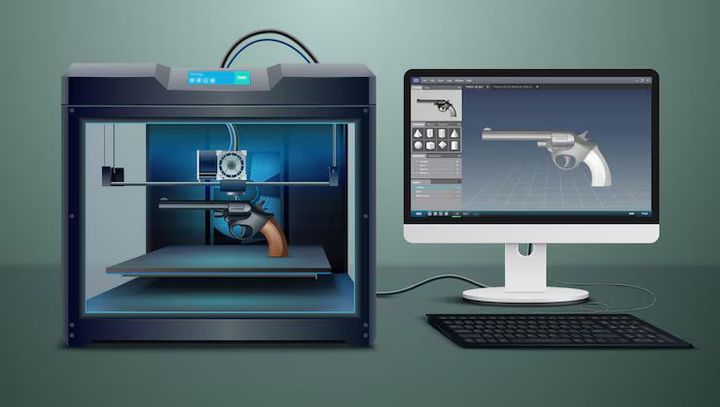
The process starts with a digital 3D model created using computer design tools. The printer then follows the digital instructions to form the object one thin layer at a time.
Several metals can be used in this process, including:
- Stainless steel
- Titanium
- Aluminum
- Nickel alloys
- Cobalt chrome
For example, an aerospace company may create lightweight aircraft components using titanium because it combines strength with reduced weight.
Metal 3D printing is especially useful for creating complex shapes that would be difficult or time-consuming with conventional manufacturing techniques.
Key Types or Categories
There are several major types of metal 3D printing technologies used in industrial production.
Powder Bed Fusion
Powder bed fusion is one of the most widely used methods.
This process spreads thin layers of metal powder across a build platform. A laser or electron beam then melts selected areas based on the digital design.
Common technologies include:
- Selective Laser Melting
- Direct Metal Laser Sintering
- Electron Beam Melting
These methods are often used for highly detailed industrial components.
Directed Energy Deposition
Directed energy deposition uses focused energy to melt metal material while it is deposited.
The material may be supplied as powder or wire.
This process is commonly used for:
- Repairing industrial parts
- Creating large components
- Adding features to existing structures
Binder Jetting
Binder jetting uses a liquid bonding agent to join metal powder particles together layer by layer.
After printing, the object is heated in a furnace to strengthen the structure.
This method is often used for faster production and complex geometries.
Metal Extrusion Printing
Metal extrusion printing pushes metal-filled material through a nozzle to build objects layer by layer.
The printed part later goes through heating and strengthening stages.
This process is easier to operate compared to some advanced industrial systems.
Important Subsections
Metal Powders and Materials
Material quality plays a major role in printing performance.
Important factors include:
- Particle size
- Material purity
- Flow consistency
- Heat resistance
Different industries select materials based on strength, durability, and environmental conditions.
Design Flexibility
Metal 3D printing allows engineers to create shapes that may not be possible with traditional manufacturing.
Examples include:
- Internal channels
- Lightweight lattice structures
- Complex curved surfaces
- Customized components
This flexibility improves engineering possibilities.
Post-Processing
Printed parts often require additional finishing after printing.
Common post-processing steps include:
- Heat treatment
- Surface polishing
- Machining adjustments
- Structural inspection
- Cleaning procedures
These steps improve strength, accuracy, and appearance.
Industrial Automation Integration
Many factories combine metal 3D printers with automation systems.
Automation helps improve:
- Production consistency
- Material handling
- Workflow efficiency
- Quality control
This integration supports advanced manufacturing environments.
How It Works
Metal 3D printing follows a step-by-step industrial process.
Step 1: Create a Digital Design
Engineers begin by creating a 3D model using computer-based design tools.
The design contains detailed instructions for the printer.
Step 2: Prepare the Printing Material
The selected metal material is prepared for printing.
Different printers may use:
| Material Type | Common Use |
|---|---|
| Metal Powder | Precision industrial parts |
| Metal Wire | Large structural components |
| Metal Filament | Simplified metal printing |
The material must meet quality and consistency standards.
Step 3: Start the Layering Process
The printer creates the object one layer at a time.
In powder-based systems, a laser melts selected powder areas while unneeded powder remains in place for support.
Each new layer bonds with the previous layer until the entire object is complete.
Step 4: Cooling and Stabilization
After printing, the part cools gradually to reduce stress and maintain structural integrity.
Controlled cooling is important for metal durability and dimensional accuracy.
Step 5: Post-Processing and Inspection
The final part may undergo finishing and inspection procedures.
Inspection methods often include:
- Dimensional measurements
- Surface evaluation
- Strength testing
- Structural analysis
These steps help ensure industrial quality standards are met.
Benefits and Advantages
Metal 3D printing provides many important advantages for industrial manufacturing.
Complex Design Creation
Traditional manufacturing methods may struggle with highly detailed structures.
Metal 3D printing allows the production of advanced geometries and lightweight designs.
Reduced Material Waste
Additive manufacturing uses material only where needed.
This can reduce excess waste compared to subtractive manufacturing methods.
Faster Prototype Development
Manufacturers can quickly create test components and design samples.
This speeds up product development and engineering evaluation.
Lightweight Industrial Components
Industries such as aerospace and automotive often seek lightweight parts to improve efficiency.
Metal 3D printing supports this goal through optimized internal structures.
Custom Manufacturing
Manufacturers can create customized components for specific applications.
Examples include:
- Medical implants
- Specialized machine parts
- Custom industrial tools
Improved Supply Chain Flexibility
Parts can be produced closer to manufacturing locations, reducing dependence on long transportation processes.
This improves production flexibility and inventory management.
Real-World Examples or Applications
Metal 3D printing is used across many industries.
Aerospace Industry
Aircraft manufacturers use metal printing to create lightweight engine parts and structural components.
Reducing weight can improve fuel efficiency and overall aircraft performance.
Healthcare and Medical Industry
Medical organizations use metal 3D printing for customized implants and surgical tools.
Examples include:
- Dental implants
- Joint replacements
- Bone structures
- Surgical guides
Customized designs improve patient compatibility.
Automotive Manufacturing
Automotive companies use metal printing for:
- Engine components
- Performance parts
- Prototype development
- Lightweight structures
This supports faster innovation and engineering flexibility.
Industrial Machinery
Factories use metal 3D printing to create replacement parts and specialized tools.
This reduces downtime and improves maintenance efficiency.
Energy Sector
Energy companies use printed metal parts in turbines, pipelines, and industrial equipment operating in high-temperature environments.
Strong heat-resistant materials are especially valuable in this field.
Important Factors to Understand
Several important factors influence metal 3D printing performance.
Material Selection
Different metals provide different strengths and properties.
For example:
- Titanium provides high strength with low weight
- Stainless steel resists corrosion
- Aluminum improves lightweight performance
Selecting the correct material is essential for industrial applications.
Precision and Accuracy
Industrial parts often require very high accuracy.
Printer calibration and process control directly affect final quality.
Production Speed
Some metal printing methods require longer production times compared to traditional manufacturing.
Production planning is important for efficiency.
Equipment Complexity
Industrial metal printers are advanced machines that require skilled operation and maintenance.
Understanding workflow and process management is important for consistent results.
Safety Considerations
Metal powders and high-energy printing systems require controlled environments and safety procedures.
Factories must follow strict industrial safety standards.
Future Trends and Industry Insights
Metal 3D printing continues evolving rapidly as industries invest in advanced manufacturing technologies.
Larger Industrial Printers
Manufacturers are developing larger printers capable of producing bigger industrial structures and machine components.
This may expand printing applications in construction and heavy industry.
Faster Printing Speeds
Researchers continue improving production speed and efficiency.
Faster systems may support larger-scale manufacturing in the future.
Artificial Intelligence Integration
Artificial intelligence is being used to optimize print quality and monitor production conditions.
AI systems may help predict printing issues before they occur.
Sustainable Manufacturing
Additive manufacturing supports material efficiency and reduced waste.
Many industries are exploring environmentally responsible production methods using metal printing technology.
Multi-Material Printing
Future systems may combine multiple metals within a single printed component.
This could improve performance and engineering flexibility for advanced industrial applications.
Conclusion
Metal 3D printers are transforming industrial manufacturing through advanced additive production technology. By building metal objects layer by layer, these systems support complex designs, lightweight structures, customized components, and efficient material usage.
Industries such as aerospace, healthcare, automotive, and energy continue expanding their use of metal printing for engineering and manufacturing applications. The technology supports innovation, design flexibility, and modern industrial production methods.
As printing speed, automation, and material capabilities continue improving, metal 3D printing will likely become an even more important part of future manufacturing systems. Understanding this technology helps explain its growing impact across global industries and advanced engineering environments.