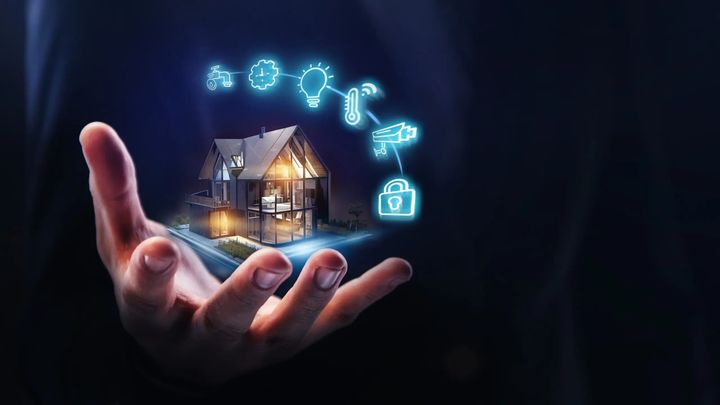
Smart Home Devices in the Philippines: Complete Technology Guide
Smart home technology is becoming increasingly popular across the Philippines as households look for more convenient, connected, and energy-conscious ways to manage everyday living.
From intelligent lighting and smart security cameras to automated appliances and voice-controlled assistants, these technologies are changing how people interact with their homes. As internet connectivity and digital lifestyles continue to improve, Smart Home Devices in the Philippines are becoming more accessible for a wide range of households.
Whether upgrading a single room or planning a fully connected home, understanding how smart home technology works helps homeowners make informed decisions. This guide explores the growth of smart home devices, their applications, benefits, important considerations, and future developments.
What Are Smart Home Devices?
Smart Home Devices are internet-connected products that communicate with each other through wireless networks, allowing users to monitor, control, and automate different household functions. Many devices can be managed through mobile applications, voice assistants, or centralized smart home platforms.
Common examples include smart lighting systems, smart thermostats, security cameras, video doorbells, smart locks, connected appliances, motion sensors, and energy monitoring systems. Together, these technologies create a more connected and responsive living environment.
Why Smart Home Devices Are Growing in the Philippines
The increasing availability of high-speed internet, expanding smartphone usage, and greater awareness of home automation have contributed to the growth of Smart Home Devices in the Philippines.
Many homeowners appreciate the convenience of controlling lighting, appliances, and security systems remotely. Smart technology also supports better energy management by helping households monitor electricity usage and automate devices according to daily routines.
Industry reports indicate that connected home technology continues to gain attention as more families invest in modern residential solutions that improve convenience and household efficiency.
Types of Smart Home Devices
Modern smart homes combine different technologies designed for specific household functions.
Smart Lighting
Smart lighting systems allow homeowners to adjust brightness, schedules, and lighting scenes through mobile devices or voice commands.
Smart Security Systems
Security cameras, video doorbells, motion detectors, and smart locks help improve home monitoring while providing real-time notifications.
Smart Climate Control
Connected air conditioning controls and smart thermostats help maintain comfortable indoor temperatures while improving energy efficiency.
Smart Appliances
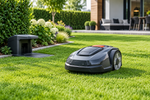
Connected refrigerators, washing machines, robotic vacuum cleaners, and kitchen appliances simplify everyday household tasks through automation.
Smart Entertainment Systems
Streaming devices, wireless speakers, and voice-controlled media systems provide convenient access to music, movies, and home entertainment.
Applications Across Everyday Living
Smart Home Devices in the Philippines support many aspects of daily life.
Homeowners use intelligent lighting to automate indoor and outdoor illumination, while smart security systems monitor entrances and surrounding areas. Connected appliances simplify household routines, and energy monitoring devices help families better understand electricity consumption.
Remote monitoring also provides convenience during travel by allowing homeowners to check cameras, receive alerts, and control selected devices from virtually anywhere with internet access.
Benefits of Smart Home Technology
Greater Convenience
Many household functions can be controlled through smartphones or voice assistants, reducing the need for manual operation.
Improved Home Security
Connected cameras, motion sensors, and smart locks provide additional visibility and help homeowners stay informed about activity around their property.
Better Energy Efficiency
Automation schedules, intelligent lighting, and energy monitoring systems help households reduce unnecessary electricity usage while improving overall efficiency.
Enhanced Comfort
Personalized automation allows lighting, climate control, and entertainment systems to adapt to daily routines and individual preferences.
Connected Living
Different smart devices work together to create an integrated home environment that simplifies everyday activities.
Important Considerations
Before introducing smart home technology, homeowners should evaluate several factors.
Consider:
- Internet reliability
- Device compatibility
- Home network security
- Future expansion plans
- Mobile application support
- Data privacy settings
- Power backup solutions
- Ease of installation
Selecting compatible devices helps create a smoother and more reliable smart home ecosystem.
Future Trends
The future of Smart Home Devices in the Philippines continues to evolve through artificial intelligence, Internet of Things (IoT) technology, and cloud connectivity. AI-powered automation is making devices more responsive by learning household routines and adjusting settings automatically.
Energy management systems, smart solar integration, predictive maintenance, and improved cybersecurity are also becoming important areas of development. As smart city initiatives expand across Southeast Asia, connected home technology is expected to become an even larger part of everyday living.
Frequently Asked Questions
What are Smart Home Devices?
They are internet-connected devices that allow homeowners to automate, monitor, and control different household systems through mobile applications or voice assistants.
Which devices are most common?
Popular devices include smart lighting, security cameras, smart locks, video doorbells, connected appliances, smart speakers, and energy monitoring systems.
How do smart devices improve energy efficiency?
Automation schedules, occupancy sensors, and energy monitoring help households reduce unnecessary electricity consumption and improve overall efficiency.
Are smart homes suitable for apartments?
Yes. Many smart home products are designed for apartments, condominiums, and houses of different sizes, allowing gradual expansion over time.
How is smart home technology changing?
Artificial intelligence, IoT connectivity, cloud platforms, and intelligent automation continue making smart homes more efficient, secure, and easier to manage.
Conclusion
Smart Home Devices in the Philippines are transforming modern living by combining automation, connectivity, and intelligent control into everyday household routines. From improved security and energy management to greater convenience and comfort, these technologies continue reshaping residential environments across the country.
As innovation advances, smart home technology will play an even greater role in creating connected, efficient, and sustainable homes. Understanding available devices, compatibility, and future trends helps homeowners make informed decisions as they embrace the next generation of home automation.