Smart Safety Wearables Overview: Technology & Protection
Smart safety wearables are transforming workplace safety by combining wearable technology, real-time monitoring, industrial sensors, and connected safety systems.
These devices help monitor worker conditions, environmental hazards, location data, and emergency situations across industries such as construction, manufacturing, mining, oil and gas, logistics, and utilities.
Modern wearable safety technology can provide instant alerts, worker tracking, fall detection, fatigue monitoring, and environmental awareness. As industrial workplaces adopt connected technologies, smart safety wearables are becoming an important component of occupational health and safety programs.
Smart Safety Wearables at a Glance
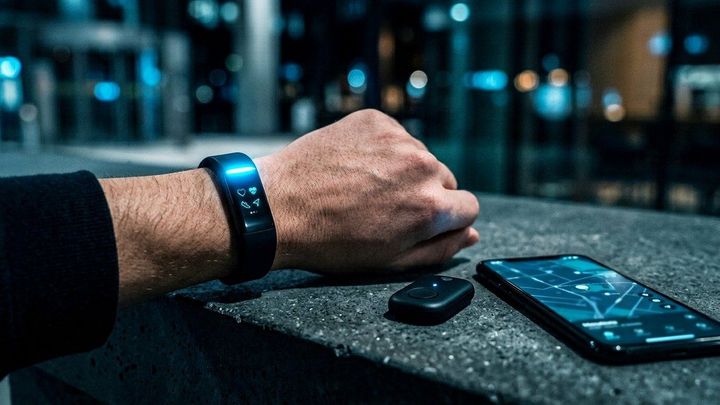
Smart safety wearables are electronic devices worn by workers to monitor health, movement, environmental conditions, and workplace hazards. These systems typically incorporate sensors, wireless communication, location tracking, and safety analytics to improve situational awareness and support workplace risk management. Common examples include smart helmets, connected safety vests, wearable sensors, smart glasses, and health monitoring devices.
Key Industry Facts
- Wearable safety technology is increasingly used in high-risk industrial environments.
- Smart sensors can monitor worker movement, environmental exposure, and physical conditions.
- Connected wearables support real-time safety monitoring and incident response.
- Industrial IoT integration enables centralized visibility across large workforces.
- Modern devices can collect operational and safety-related data for analysis.
- Wearables are used across construction, manufacturing, mining, transportation, and energy sectors.
How Smart Safety Wearables Work
Smart safety wearables combine multiple technologies to collect and transmit safety-related information.
Data Collection
Integrated sensors gather information such as:
- Heart rate
- Body temperature
- Motion patterns
- Worker location
- Environmental conditions
- Impact events
- Fatigue indicators
Data Transmission
Wireless communication technologies transfer information to monitoring platforms.
Common technologies include:
- Bluetooth
- Wi-Fi
- Cellular networks
- Industrial IoT networks
- GPS communication systems
Monitoring and Analysis
Software platforms analyze incoming data and identify unusual conditions that may require attention.
Alert Generation
If predefined conditions occur, alerts can be sent to workers, supervisors, or emergency response personnel.
Main Types of Smart Safety Wearables
Smart Helmets
Smart helmets combine traditional head protection with advanced technology.
Features may include:
- Impact detection
- Location tracking
- Communication systems
- Environmental monitoring
- Augmented reality displays
Connected Safety Vests
Safety vests can integrate sensors that monitor worker movement, location, and environmental conditions.
These systems are often used in construction and industrial facilities.
Wearable Health Monitors
Health-monitoring devices track physiological indicators such as heart rate, body temperature, and activity levels.
Smart Safety Glasses
Connected eyewear can provide hands-free information access, communication capabilities, and operational guidance.
GPS Safety Wearables
Location-based wearables help track worker positions across large facilities, construction sites, and remote operations.
Fall Detection Devices
These systems automatically detect significant falls and generate alerts when necessary.
Comparison of Common Smart Safety Wearables
| Wearable Type | Primary Function | Common Industries |
|---|---|---|
| Smart Helmet | Head protection and monitoring | Construction, Mining |
| Safety Vest | Worker visibility and tracking | Logistics, Manufacturing |
| Health Monitor | Physiological monitoring | Industrial Operations |
| Smart Glasses | Information display | Maintenance, Utilities |
| GPS Wearable | Location tracking | Field Operations |
| Fall Detection Device | Incident monitoring | Construction, Energy |
Core Components
Industrial Sensors
Sensors collect information about worker conditions and environmental factors.
Communication Modules
Wireless communication allows real-time data transmission.
GPS Tracking Systems
Location services support worker tracking and emergency response.
Wearable Processors
Embedded processors manage sensor data and device functions.
Battery Systems
Portable power systems support continuous operation during work shifts.
Monitoring Platforms
Centralized platforms aggregate data from multiple wearable devices.
Industry Applications
Construction Sites
Construction environments often involve dynamic work areas and multiple safety risks.
Wearables can support:
- Worker tracking
- Fall detection
- Hazard alerts
- Emergency response coordination
Manufacturing Facilities
Manufacturing operations use wearables to improve visibility into workforce safety and operational conditions.
Mining Operations
Mining environments can benefit from worker location monitoring, environmental sensing, and emergency communication systems.
Oil and Gas Facilities
Wearable safety devices can help monitor exposure conditions and support worker accountability.
Logistics and Warehousing
Distribution centers use wearable technology to improve worker awareness and operational visibility.
Utility Operations
Field personnel can use connected wearables during inspections, maintenance, and infrastructure projects.
Selection Factors
Organizations evaluating wearable safety technology should consider several factors.
Work Environment
Environmental conditions influence device suitability and durability requirements.
Monitoring Requirements
Different industries require different types of safety information.
Connectivity
Reliable communication is essential for real-time monitoring.
Battery Performance
Devices should support operational requirements throughout work activities.
User Comfort
Comfort influences worker acceptance and long-term usage.
Data Security
Sensitive operational and workforce information requires appropriate protection.
Integration Capability
Wearables should integrate effectively with existing safety and monitoring systems.
Benefits of Smart Safety Wearables
Smart safety wearables can provide several workplace advantages.
- Improved workforce visibility
- Real-time safety monitoring
- Enhanced hazard awareness
- Faster emergency response
- Support for lone worker safety
- Improved incident reporting
- Environmental condition monitoring
- Worker location tracking
- Data-driven safety management
- Integration with industrial IoT systems
- Enhanced operational awareness
- Support for workplace safety programs
Challenges and Limitations
Despite their advantages, smart safety wearables present several considerations.
Connectivity Constraints
Remote locations may experience communication limitations.
Battery Management
Devices require regular charging and maintenance.
Environmental Conditions
Extreme temperatures, dust, moisture, and vibration can affect device performance.
Data Management
Large amounts of safety data require effective processing and storage.
User Adoption
Successful implementation depends on worker training and acceptance.
Equipment Compatibility
Integration with existing safety systems may require additional planning.
Industry Standards and Compliance
Smart safety wearables often operate within broader workplace safety frameworks.
Organizations may consider:
- Occupational safety requirements
- Workplace hazard assessment procedures
- Equipment certification requirements
- Data protection practices
- Site-specific safety policies
- Emergency response protocols
Compliance requirements vary according to industry, location, and operational environment.
Safety Considerations
When implementing wearable safety technology, organizations should address:
- Device reliability
- Emergency communication procedures
- Sensor accuracy
- Battery monitoring
- Maintenance schedules
- Worker training
- Data security controls
- Incident response planning
Regular testing and inspection help support operational reliability.
Latest Technology Trends
AI-Powered Safety Analytics
Artificial intelligence is increasingly used to identify patterns and safety risks within wearable data.
Predictive Safety Monitoring
Advanced analytics can help identify potential safety concerns before incidents occur.
Edge Computing
Local data processing reduces communication delays and improves response times.
Connected Worker Platforms
Integrated platforms combine wearable data with operational systems and safety management tools.
Advanced Environmental Sensors
New sensor technologies provide improved monitoring of workplace conditions.
Augmented Reality Integration
Smart glasses are increasingly supporting maintenance, inspection, and operational guidance.
Expert Insights
Industrial organizations are increasingly combining wearable technology, industrial IoT platforms, predictive analytics, and connected worker solutions to improve workplace safety visibility. The ability to monitor environmental conditions, worker location, and safety-related events in real time is becoming an important element of modern safety management strategies.
Key Takeaways
- Smart safety wearables combine sensors, connectivity, and monitoring technology.
- Common devices include smart helmets, safety vests, health monitors, and smart glasses.
- Wearables support real-time worker monitoring and hazard awareness.
- Industrial IoT integration enhances operational visibility.
- Battery performance and connectivity are important selection factors.
- AI and predictive analytics are shaping future wearable safety systems.
- These technologies are increasingly used across industrial sectors.
Frequently Asked Questions
What are smart safety wearables?
Smart safety wearables are connected devices worn by workers to monitor health, location, environmental conditions, and workplace safety factors.
Which industries use smart safety wearables?
Construction, manufacturing, mining, logistics, utilities, transportation, and energy sectors commonly use wearable safety technology.
What is a smart helmet?
A smart helmet combines traditional head protection with technologies such as sensors, communication systems, location tracking, and environmental monitoring.
How do wearable safety devices improve workplace safety?
They provide real-time monitoring, alerts, worker visibility, and incident awareness to support safety management efforts.
Can smart wearables track worker location?
Yes. Many wearable systems incorporate GPS or location-tracking technologies for workforce visibility.
What data do wearable safety devices collect?
Depending on the device, data may include movement, location, heart rate, temperature, environmental conditions, and incident information.
What challenges are associated with smart safety wearables?
Common considerations include battery management, connectivity, environmental conditions, data security, and user adoption.
What technologies are shaping the future of wearable safety systems?
Artificial intelligence, predictive analytics, advanced sensors, industrial IoT connectivity, edge computing, and augmented reality are influencing future developments.
Conclusion
Smart safety wearables are becoming an increasingly important part of modern workplace safety programs. By combining wearable sensors, real-time monitoring, location tracking, communication technology, and industrial IoT integration, these systems help organizations improve workforce visibility and hazard awareness.
As technology continues to advance, wearable safety solutions are incorporating artificial intelligence, predictive monitoring, advanced environmental sensing, and connected worker platforms. Understanding device types, applications, benefits, and implementation considerations helps organizations evaluate wearable technology for a wide range of industrial and operational environments.