Smart Window Blinds: Automation Technologies and Insights
Smart window blinds are transforming how people manage natural light, privacy, and indoor comfort.
Unlike traditional blinds that require manual adjustment, smart window blinds use automation technologies, sensors, and connected control systems to open, close, or adjust based on schedules, environmental conditions, or user preferences.
As smart home technology continues to evolve, smart window blinds are becoming an important part of modern living spaces, offices, educational facilities, and commercial buildings. These systems help improve convenience, support energy efficiency goals, and create more responsive indoor environments.
Understanding how smart window blinds work, their key features, applications, and future developments can help readers gain valuable insight into this growing area of smart building technology.
Quick Facts Table
| Topic | Purpose | Key Components | Main Benefits | Common Applications |
|---|---|---|---|---|
| Smart Window Blinds | Automate light control, privacy, and indoor comfort | Motors, sensors, controllers, connectivity modules, automation platforms | Convenience, energy efficiency, comfort, automation | Homes, offices, hotels, schools, healthcare facilities |
What Are Smart Window Blinds?
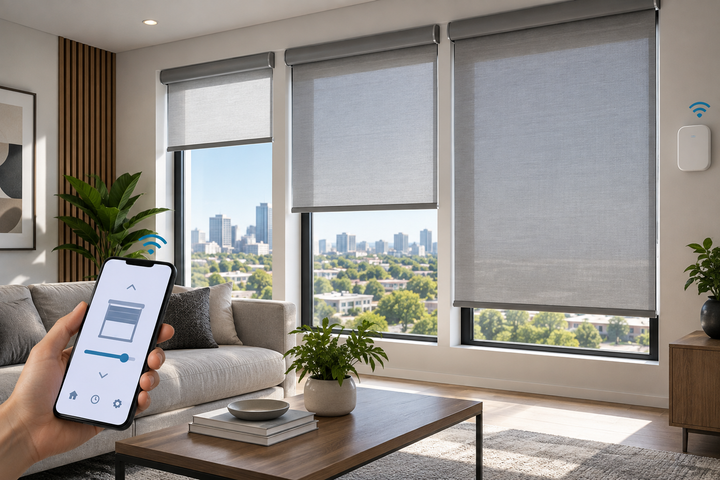
Smart window blinds are automated window coverings that can adjust their position using motors, sensors, timers, mobile apps, voice controls, or building automation systems.
These blinds can operate according to predefined schedules, environmental conditions, or direct user commands. By combining automation with intelligent control systems, smart blinds help optimize natural lighting and indoor comfort throughout the day.
Why Are Smart Window Blinds Important?
Window coverings influence lighting, temperature, privacy, and energy use inside a building. Smart window blinds provide a more efficient and flexible way to manage these factors.
Their growing popularity is driven by:
- Increased adoption of smart home technologies
- Growing interest in building automation
- Energy management initiatives
- Improved user convenience
- Enhanced indoor comfort
- Better control of natural lighting
- Support for connected living environments
Smart Window Blinds Facts
- Smart home adoption continues to increase worldwide.
- Building automation technologies are becoming more common in residential and commercial spaces.
- Automated shading systems help manage indoor lighting conditions.
- Sensor-based controls improve operational efficiency.
- Smart building technologies increasingly integrate automated window treatments.
- Energy management systems often include automated shading solutions.
Major Smart Window Blind Technologies
- Motorized Blinds
- Automated Roller Blinds
- Wireless Blind Controls
- Voice-Controlled Blinds
- Sensor-Based Blinds
- Smart Home Integrated Blinds
- Solar-Powered Blinds
- Automated Shading Systems
- Programmable Blind Controllers
- Building Automation Integrated Blinds
- IoT-Enabled Window Coverings
- Energy Management Integrated Blinds
Technology Comparison Table
| Technology Type | Automation Level | Connectivity | Common Environment |
|---|---|---|---|
| Motorized Blinds | Medium | Remote Control | Homes |
| Smart Blinds | High | Wi-Fi or Wireless Networks | Smart Homes |
| Sensor-Based Blinds | High | Sensors and Controllers | Offices |
| Solar-Powered Blinds | Medium | Wireless Controls | Residential Buildings |
| Building Automation Blinds | Very High | Centralized Platforms | Commercial Facilities |
Understanding the Concept
Smart window blinds combine mechanical systems with intelligent control technologies. Instead of relying solely on manual operation, these blinds use motors and control systems to adjust automatically.
Some systems follow schedules, while others respond to sunlight intensity, room temperature, occupancy, or weather conditions. This creates a more responsive indoor environment and reduces the need for frequent manual adjustments.
What Are Motorized Window Blinds?
Motorized window blinds use electric motors to raise, lower, or tilt blinds automatically. Users can operate them through remote controls, wall-mounted panels, or connected apps.
What Are Sensor-Based Smart Blinds?
Sensor-based blinds use environmental sensors to monitor factors such as sunlight, temperature, or room occupancy. The system adjusts the blinds automatically based on collected data.
What Are Automated Shading Systems?
Automated shading systems combine smart blinds, sensors, and controllers to manage natural light and heat gain throughout a building.
What Are Smart Home Integrated Blinds?
These blinds connect with broader smart home ecosystems, allowing coordinated operation alongside lighting, climate control, and security technologies.
Key Features and Core Components
Modern smart window blinds typically include:
- Electric motors
- Wireless communication modules
- Control panels
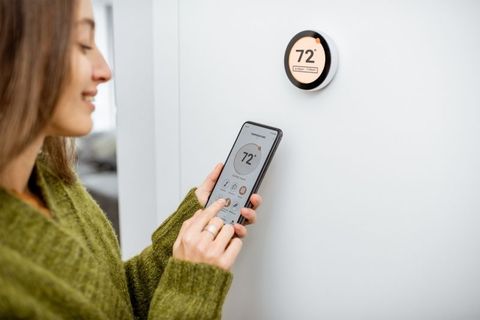
- Mobile app integration
- Scheduling functions
- Voice command compatibility
- Light sensors
- Temperature sensors
- Occupancy sensors
- Automation controllers
- Smart home connectivity
- Energy management integration
Smart Window Blind Categories
| Category | Examples |
|---|---|
| Motorized Blinds | Electric Roller Blinds |
| Sensor-Based Systems | Light-Sensitive Blinds |
| Wireless Systems | App-Controlled Blinds |
| Voice-Controlled Systems | Smart Assistant Integration |
| Automated Shading Systems | Building Automation Blinds |
Main Types of Smart Window Blinds
Motorized Roller Blinds
These systems use electric motors to raise or lower blinds automatically.
Cellular Smart Blinds
Designed to improve insulation while supporting automated control functions.
Venetian Smart Blinds
Allow automatic adjustment of slat angles to regulate light entry.
Solar-Powered Blinds
Utilize solar energy to support automated operation.
Integrated Building Automation Blinds
Connect directly with centralized building management systems.
How Smart Window Blinds Work
- Users define schedules or automation preferences.
- Sensors collect environmental data.
- Control systems analyze incoming information.
- Automation platforms determine the required blind position.
- Electric motors receive control commands.
- Blinds adjust automatically.
- Monitoring systems continue evaluating environmental conditions.
- Future adjustments occur as conditions change.
Smart Window Blind Architecture
A typical automated blind system follows this structure:
Sensors → Controller → Automation Platform → Motor System → Window Blinds → User Interface
Architecture Explanation
Environmental sensors collect information about light, temperature, and occupancy. Controllers process the data and communicate with automation platforms. Motors then adjust the blinds according to programmed rules or real-time conditions.
Benefits and Advantages
Smart window blinds provide several practical advantages:
- Improved convenience
- Better natural light management
- Enhanced privacy control
- Support for energy efficiency goals
- Reduced manual adjustments
- Consistent indoor comfort
- Smart home integration
- Automated scheduling
- Improved workspace environments
- Flexible control options
- Enhanced building automation capabilities
- Better environmental responsiveness
Industry Applications
Residential Homes
Smart blinds improve convenience and support connected living environments.
Office Buildings
Automated shading helps manage lighting and indoor comfort.
Hotels
Guest rooms benefit from automated privacy and lighting control.
Educational Facilities
Schools and universities use automated shading systems to manage classroom environments.
Healthcare Facilities
Automated blinds help regulate lighting conditions in patient care environments.
Commercial Buildings
Building automation systems often include smart window coverings.
Smart Buildings
Smart blinds work alongside climate control and lighting technologies.
Hospitality Facilities
Automated shading systems support comfort and operational efficiency.
Real-World Examples and Applications
Example: Smart Home Environment
A homeowner programs blinds to open in the morning and close automatically during peak sunlight hours.
Example: Modern Office Building
Sensors detect intense sunlight and adjust blinds automatically to reduce glare on computer screens.
Example: Hotel Guest Room
Guests control blinds through room automation panels while automated schedules optimize privacy and comfort.
Example: Educational Facility
Classrooms use automated shading systems to improve visibility during presentations and learning activities.
Important Factors to Consider
When evaluating smart window blinds, consider:
- Window dimensions
- Power requirements
- Connectivity options
- Automation capabilities
- Sensor compatibility
- Installation requirements
- Integration flexibility
- Maintenance needs
- Environmental conditions
- Long-term scalability
Common Challenges and Solutions
| Challenge | Impact | Solution |
|---|---|---|
| Connectivity Interruptions | Reduced Automation | Stable Wireless Networks |
| Sensor Inaccuracy | Improper Adjustments | Calibration Procedures |
| Power Limitations | Operational Interruptions | Backup Power Options |
| Integration Complexity | Compatibility Issues | Standardized Platforms |
| Environmental Variations | Inconsistent Performance | Advanced Sensor Technologies |
Smart Window Blind Best Practices
- Define clear automation goals.
- Position sensors appropriately.
- Regularly inspect motor systems.
- Update connected platforms when necessary.
- Test automation schedules periodically.
- Monitor environmental response accuracy.
- Maintain communication network reliability.
- Integrate with broader building automation systems when applicable.
Future Trends and Industry Insights
Several emerging technologies are shaping the future of smart window blinds.
Artificial Intelligence Integration
AI technologies are expected to improve automation accuracy and environmental adaptation.
Predictive Automation
Future systems may anticipate user preferences and environmental changes.
Advanced Sensor Technologies
More sophisticated sensors will improve responsiveness and precision.
Energy Management Integration
Smart blinds will increasingly support comprehensive building energy management strategies.
Smart Building Expansion
Growing smart building adoption will drive demand for automated shading technologies.
Voice and Gesture Controls
Future systems may expand beyond traditional voice commands into gesture-based interactions.
Sustainable Design Approaches
Energy-conscious building designs increasingly incorporate automated shading systems.
Expert Insights
Smart window blinds are becoming an important component of intelligent building environments. By combining automation, sensors, connectivity, and energy management technologies, these systems provide a more adaptive approach to managing indoor spaces.
As smart homes and connected buildings continue to evolve, automated shading technologies are expected to play a larger role in improving comfort, operational efficiency, and environmental responsiveness.
Key Takeaways
- Smart window blinds automate light and privacy management.
- Motorized systems improve convenience and flexibility.
- Sensors enable intelligent environmental responses.
- Smart home integration enhances functionality.
- Automated shading supports energy management goals.
- Building automation systems increasingly incorporate smart blinds.
- Future systems will utilize more advanced automation technologies.
- Connected environments are driving continued innovation.
Frequently Asked Questions (FAQ)
What are smart window blinds?
Smart window blinds are automated window coverings that use motors, sensors, and control systems for operation.
How do smart window blinds work?
They use automation technologies, sensors, and controllers to adjust blind positions automatically.
What is a motorized blind?
A motorized blind uses an electric motor to control movement.
What are sensor-based blinds?
Sensor-based blinds adjust automatically using environmental information such as light levels or temperature.
Can smart blinds connect with smart homes?
Yes, many systems integrate with smart home platforms and automation technologies.
What are automated shading systems?
Automated shading systems manage natural light and indoor conditions through intelligent controls.
What are solar-powered blinds?
These blinds utilize solar energy to support automated operation.
What industries use smart window blinds?
Residential, commercial, hospitality, healthcare, education, and smart building environments.
Do smart blinds improve energy management?
They can help regulate sunlight and indoor conditions as part of broader energy management strategies.
What is the future of smart window blinds?
Future systems are expected to incorporate artificial intelligence, predictive automation, advanced sensors, and deeper building automation integration.
Conclusion
Smart window blinds represent an important advancement in building automation and smart home technology. By combining motors, sensors, connectivity, and intelligent control systems, these solutions provide a flexible approach to managing natural light, privacy, and indoor comfort.
As automation technologies continue to evolve, smart window blinds are expected to become increasingly integrated with smart buildings, energy management systems, and connected living environments. Understanding their features, applications, and emerging trends provides valuable insight into the future of automated indoor spaces.