Electronic Security Systems: Complete Guide to Smart Safety and Protection
Electronic security systems play an important role in modern safety and protection. Homes, offices, factories, schools, and public buildings use advanced monitoring tools to improve awareness and reduce security risks.
These systems combine smart devices, sensors, alarms, and digital monitoring methods to help people stay alert and prepared.
In today’s connected world, traditional locks and manual monitoring are often not enough. Smart protection tools can detect movement, identify unusual activity, and send instant alerts. This helps people react quickly during emergencies or unexpected situations.
Electronic security systems are now used in many daily environments. A family may use smart cameras to monitor entrances, while a warehouse may use motion detection and access control technology to protect valuable equipment. These systems improve safety, increase convenience, and support better monitoring practices.
Understanding the Concept
Electronic security systems are groups of electronic devices designed to monitor, detect, record, and control security-related activities. These systems help protect people, property, and important information.
A modern security setup often includes:
- Surveillance cameras
- Motion detectors
- Alarm systems
- Access control devices
- Smart sensors
- Remote monitoring tools
The main purpose is to identify unusual activity and improve protection. For example, if someone enters a restricted area, the system may trigger an alarm or send a notification to a connected device.
Many electronic security systems now work through internet-connected technology. This allows users to monitor locations remotely through mobile applications or digital dashboards.
Smart safety technology is becoming more common because it improves monitoring accuracy and supports faster response times.
Key Types or Categories
Electronic security systems come in different forms depending on the environment and protection needs.
Surveillance Camera Systems
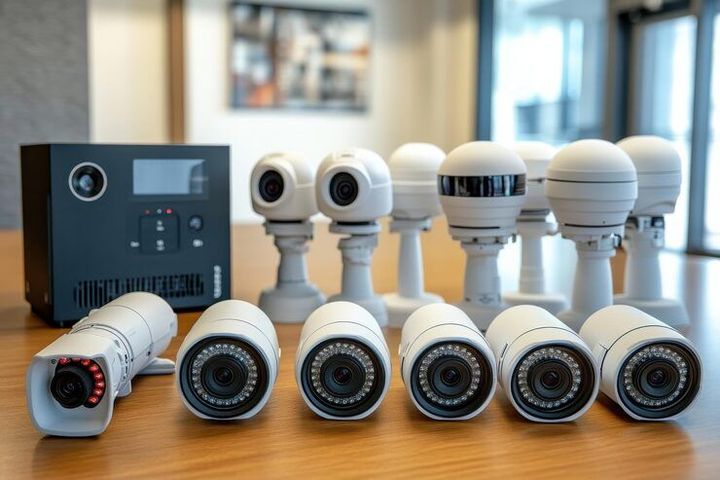
Camera systems are among the most widely used security technologies. They record activities and help monitor indoor and outdoor areas.
Common camera types include:
- Dome cameras
- Bullet cameras
- Wireless cameras
- Night vision cameras
- Smart AI cameras
For example, a retail store may place dome cameras near entrances to monitor customer movement and improve safety awareness.
Alarm Systems
Alarm systems detect threats such as unauthorized entry, smoke, or glass breakage. When triggered, they produce alerts through sound, flashing lights, or connected notifications.
Alarm systems often include:
- Door sensors
- Window sensors
- Emergency sirens
- Smoke detectors
- Heat detectors
Access Control Systems
Access control technology limits entry to authorized individuals. Instead of traditional keys, users may enter using:
- PIN codes
- Fingerprint scanning
- Face recognition
- Smart cards
- Mobile authentication
This type of system is common in office buildings, laboratories, and industrial facilities.
Motion Detection Systems
Motion detection systems identify movement within a specific area. These systems are useful for monitoring restricted zones during inactive hours.
Some advanced systems can distinguish between human movement, pets, and environmental changes.
Smart Integrated Security Systems
Integrated systems combine multiple security technologies into one connected platform. Cameras, alarms, sensors, and access tools work together for centralized monitoring.
This improves communication between devices and simplifies security management.
Important Subsections
Cloud-Based Monitoring
Cloud-based monitoring allows recorded data to be stored digitally instead of using physical storage devices. This helps users access recordings remotely from different locations.
Biometric Authentication
Biometric technology uses physical features such as fingerprints or facial patterns for identity verification. This improves access accuracy and reduces unauthorized entry risks.
Artificial Intelligence in Security
Artificial intelligence helps analyze patterns, detect unusual behavior, and improve monitoring efficiency. Smart AI cameras can identify movement patterns and send intelligent alerts.
How It Works
Electronic security systems operate through a series of connected steps.
Step 1: Detection
Sensors and cameras monitor the environment continuously. They identify movement, temperature changes, sound variations, or unauthorized access attempts.
Step 2: Data Processing
The system processes information collected from connected devices. Smart processors analyze the activity and determine whether it matches normal behavior.
Step 3: Alert Generation
If unusual activity is detected, the system creates an alert. This may include:
- Alarm sounds
- Mobile notifications
- Flashing lights
- Security dashboard alerts
Step 4: Recording and Storage
Camera footage and event logs are recorded for future review. Some systems store information in digital cloud environments.
Step 5: Response Action
After receiving an alert, users or monitoring teams can take action. This may involve checking camera footage, locking doors remotely, or contacting emergency authorities.
For example, if motion is detected near a warehouse entrance late at night, the system may immediately activate lighting and send a warning notification.
Benefits and Advantages
Electronic security systems provide several practical advantages for homes and commercial environments.
Improved Safety Awareness
Continuous monitoring helps people stay informed about activities around their property. This increases awareness and supports faster reactions.
Better Access Management
Access control systems reduce the chances of unauthorized entry. Digital authentication methods improve protection in restricted areas.
Remote Monitoring Convenience
Smart monitoring tools allow users to view live footage from mobile devices or computers. This is especially useful for people managing multiple locations.
Faster Emergency Response
Instant alerts help users respond quickly during emergencies such as fire, intrusion, or suspicious movement.
Evidence Collection
Recorded footage can help review incidents and understand what happened during security events.
Reduced Human Monitoring Pressure
Automated systems reduce the need for constant manual observation. Smart sensors and AI technology assist with continuous monitoring.
Real-World Examples or Applications
Electronic security systems are used in many industries and daily situations.
Residential Buildings
Families use smart cameras, door sensors, and motion detectors to improve home safety. Parents may monitor children playing outside through connected cameras.
Office Environments
Businesses use access control systems and surveillance technology to monitor employee entry and protect confidential areas.
Hospitals
Healthcare facilities use electronic monitoring to secure restricted medical zones and improve patient safety.
Educational Institutions
Schools and colleges use camera systems and emergency alarms to support campus security.
Industrial Facilities
Factories and warehouses use integrated security systems to monitor equipment, storage areas, and restricted zones.
Transportation Areas
Airports, train stations, and parking facilities use surveillance technology for crowd monitoring and traffic management.
Important Factors to Understand
Before using electronic security systems, several important factors should be considered.
System Compatibility
Devices should work together smoothly within the same monitoring environment. Integrated systems improve communication between components.
Internet Connectivity
Some smart security systems depend heavily on internet access for remote monitoring and alert delivery.
Data Privacy
Security recordings and personal information should be protected through secure storage and controlled access methods.
Maintenance and Updates
Electronic systems require regular updates and testing to maintain reliable performance.
Environmental Conditions
Outdoor systems should handle rain, heat, dust, and low-light conditions effectively.
User Training
People using the system should understand how alerts, controls, and monitoring features operate.
Future Trends and Industry Insights
Electronic security systems continue to evolve with smart technology advancements.
AI-Powered Monitoring
Artificial intelligence is improving motion analysis, facial recognition, and behavior detection. Future systems may become more accurate in identifying threats.
Smart Home Integration
Security tools are increasingly connecting with smart lighting, voice assistants, and automated door controls.
Advanced Biometric Security
Biometric authentication methods are becoming more advanced and widely used in high-security environments.
Internet of Things Connectivity
Internet of Things technology allows multiple devices to communicate automatically. This improves coordination between cameras, sensors, and alarms.
Predictive Security Analysis
Future systems may analyze patterns and identify possible risks before incidents occur.
Energy-Efficient Devices
Modern security devices are becoming more energy efficient while maintaining strong monitoring performance.
Conclusion
Electronic security systems have become an important part of modern safety and protection strategies. They combine cameras, alarms, sensors, and smart monitoring tools to improve awareness and reduce security risks.
From homes and schools to factories and transportation areas, these systems support better monitoring and faster response actions. Smart technology, artificial intelligence, and biometric authentication continue to improve security capabilities.
Understanding how electronic security systems work helps people make informed decisions about safety technology and protection methods. As innovation continues, these systems will likely become even more intelligent, connected, and efficient in the future.