Sleep Tracking Devices: Complete Health Analytics Guide
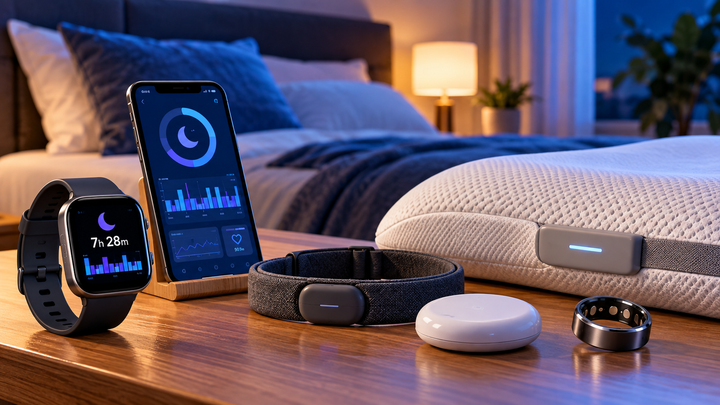
Sleep tracking devices are wearable or non-wearable technologies designed to monitor sleep patterns, duration, movement, and related physiological signals.
These devices help users understand sleep quality, identify trends, and gain insights into recovery, rest habits, and overall wellness through data collection and analysis.
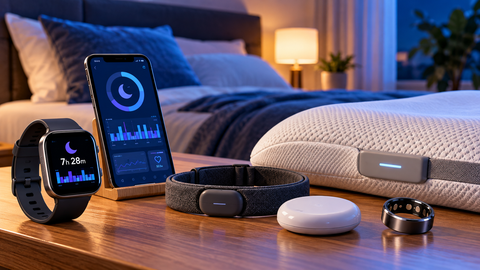
Modern sleep tracking devices range from smartwatches and fitness bands to smart rings and bedside sensors. While they are not medical diagnostic tools in most consumer applications, they provide useful information that can help individuals make informed lifestyle and sleep-related decisions.
Quick Facts About Sleep Tracking Devices
| Feature | Description |
|---|---|
| Primary Purpose | Monitor sleep patterns and sleep-related metrics |
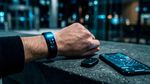
| Common Form Factors | Smartwatches, fitness bands, smart rings, bedside monitors |
| Key Metrics | Sleep duration, sleep stages, movement, heart rate |
| Data Collection | Sensors, accelerometers, optical heart rate monitoring |
| Typical Users | Health-conscious individuals, athletes, wellness enthusiasts |
| Connectivity | Bluetooth, Wi-Fi, mobile applications |
| Main Benefit | Sleep behavior awareness and trend analysis |
| Clinical Diagnosis | Generally not a replacement for professional sleep studies |
What Are Sleep Tracking Devices?
Sleep tracking devices are electronic systems that collect information during sleep and convert it into understandable reports. They monitor physical activity, movement patterns, heart rate behavior, and other signals to estimate sleep duration and quality.
Most consumer devices use algorithms to analyze collected data and categorize sleep into stages such as light sleep, deep sleep, and rapid eye movement (REM) sleep. The information is then presented through companion applications or dashboards that display trends over time.
Why Sleep Tracking Devices Matter
Sleep affects cognitive performance, mood, recovery, and daily functioning. Many people underestimate the amount or quality of sleep they receive because sleep disruptions often occur without awareness.
Sleep tracking devices help users:
- Identify inconsistent sleep schedules
- Monitor sleep duration trends
- Understand recovery patterns
- Detect frequent nighttime awakenings
- Evaluate lifestyle changes that affect sleep
- Track wellness goals
- Improve awareness of sleeping habits
The value of sleep tracking lies in long-term trend monitoring rather than focusing on a single night's results.
Understanding the Sleep Tracking Device Concept
Simple Explanation
A sleep tracking device acts like a digital observer during sleep. Instead of recording every brain signal like a laboratory sleep study, it collects indirect indicators such as movement, heart rate, breathing patterns, and body position.
The device processes these signals through software algorithms to estimate when a person falls asleep, wakes up, and transitions through different sleep stages.
How Sleep Tracking Devices Work
Motion Detection
Accelerometers measure body movement throughout the night. Reduced movement generally indicates sleep, while movement patterns help estimate sleep stages and awakenings.
Physiological Signal Monitoring
Many devices collect heart rate and heart rate variability data through optical sensors. These measurements help identify relaxation, recovery, and potential sleep stage transitions.
Sleep Stage Estimation
Algorithms combine movement and physiological data to estimate light sleep, deep sleep, and REM sleep periods.
Data Processing
Collected information is processed locally or through a connected mobile application to generate sleep reports.
Trend Analysis
The device stores historical data and identifies patterns across days, weeks, and months.
User Reporting
Results are displayed through graphs, summaries, sleep scores, and recommendations based on recorded trends.
Sleep Tracking Workflow Table
| Stage | Function |
|---|---|
| Signal Collection | Gather movement and physiological data |
| Sensor Processing | Convert signals into digital information |
| Sleep Detection | Determine sleep and wake periods |
| Stage Classification | Estimate sleep stages |
| Data Analysis | Identify patterns and trends |
| Report Generation | Create sleep summaries |
| Long-Term Tracking | Compare sleep history over time |
Sleep Tracking Device Architecture
Sensor Layer
The sensor layer collects raw information such as movement, heart rate, blood oxygen measurements, skin temperature, or breathing-related signals depending on device capabilities.
Processing Layer
Embedded processors analyze incoming sensor data and prepare it for interpretation.
Algorithm Layer
Machine learning and signal-processing algorithms estimate sleep stages and sleep quality indicators.
Connectivity Layer
Bluetooth and wireless communication systems transfer data between the device and companion applications.
Application Layer
Mobile apps and dashboards present sleep reports, trends, and wellness metrics in a user-friendly format.
Cloud Storage Layer
Some platforms securely store historical data to support long-term analysis and device synchronization.
Main Components of Sleep Tracking Devices
| Component | Purpose |
|---|---|
| Accelerometer | Detect body movement |
| Optical Sensor | Measure heart rate |
| Processor | Analyze collected data |
| Battery | Power device operation |
| Wireless Module | Enable connectivity |
| Mobile Application | Display results |
| Algorithms | Estimate sleep metrics |
| Storage System | Retain historical data |
Types of Sleep Tracking Devices
Smartwatches
Smartwatches combine sleep monitoring with fitness and health tracking.
Advantages:
- Multi-purpose functionality
- Continuous monitoring
- Integration with health platforms
Fitness Bands
Fitness bands provide sleep tracking in a lightweight design.
Advantages:
- Comfortable for overnight wear
- Long battery life
- Simplified operation
Smart Rings
Smart rings collect sleep-related data through compact wearable sensors.
Advantages:
- Small form factor
- Comfortable overnight use
- Continuous physiological monitoring
Bedside Sleep Monitors
These devices track sleep without requiring the user to wear equipment.
Advantages:
- Non-contact monitoring
- Suitable for users who dislike wearables
- Minimal user interaction
Under-Mattress Sleep Sensors
Placed beneath the mattress, these systems monitor movement and physiological signals indirectly.
Advantages:
- Invisible installation
- Continuous tracking
- No wearable requirements
Sleep Tracking Device Type Comparison
| Type | Wearable | Main Strength | Typical User |
|---|---|---|---|
| Smartwatch | Yes | Multi-purpose health tracking | General consumers |
| Fitness Band | Yes | Simplicity and comfort | Everyday users |
| Smart Ring | Yes | Compact design | Wellness-focused users |
| Bedside Monitor | No | Contact-free monitoring | Users avoiding wearables |
| Under-Mattress Sensor | No | Passive monitoring | Long-term tracking users |
Requirements for Effective Sleep Tracking
Accurate sleep tracking depends on several factors:
- Consistent device usage
- Proper sensor placement
- Regular device charging
- Reliable application synchronization
- Stable software updates
- Healthy sleep environment
- Long-term data collection
Short-term measurements often provide less meaningful insights than long-term trends.
Sleep Tracking Devices vs Professional Sleep Studies
| Feature | Sleep Tracking Devices | Professional Sleep Studies |
|---|---|---|
| Purpose | Wellness monitoring | Medical evaluation |
| Location | Home environment | Clinical setting |
| Data Collection | Limited physiological signals | Comprehensive monitoring |
| Convenience | High | Lower |
| Long-Term Tracking | Excellent | Typically short-term |
| Diagnostic Capability | Limited | Medical assessment |
Sleep tracking devices can support awareness of sleep habits, but persistent sleep concerns should be evaluated by qualified healthcare professionals.
Benefits and Advantages of Sleep Tracking Devices
- Increased awareness of sleep habits
- Convenient overnight monitoring
- Long-term trend analysis
- Recovery and wellness insights
- Goal-setting support
- Behavioral pattern identification
- Integration with fitness tracking
- Monitoring of sleep consistency
- Personalized sleep reports
- Continuous data collection
Many users find that sleep tracking encourages healthier bedtime routines and more consistent sleep schedules.
Industry Applications of Sleep Tracking Devices
Consumer Wellness
Individuals use sleep tracking devices to understand personal sleep habits and improve lifestyle choices.
Sports and Athletic Recovery
Athletes monitor sleep quality as part of training and recovery management strategies.
Corporate Wellness Programs
Organizations may incorporate sleep awareness initiatives into broader wellness programs.
Digital Health Platforms
Sleep tracking data is often integrated into health and wellness ecosystems.
Research and Population Studies
Aggregated sleep data may support research initiatives and observational health studies.
Industry Applications Table
| Industry | Application |
|---|---|
| Consumer Wellness | Personal sleep monitoring |
| Sports Performance | Recovery tracking |
| Corporate Wellness | Employee wellness initiatives |
| Digital Health | Integrated health monitoring |
| Research | Sleep behavior analysis |
Industry Standards and Safety
Sleep tracking devices generally fall under consumer wellness technology unless specifically approved for medical purposes. Relevant areas include:
- Data privacy and security requirements
- Wireless communication standards
- Electrical safety standards
- Medical device regulations for approved healthcare applications
- Cybersecurity practices for connected health devices
Users should review privacy settings and understand how sleep data is stored and managed by device providers.
Common Challenges and Solutions
| Challenge | Practical Solution |
|---|---|
| Inconsistent Wearing | Establish nightly routines |
| Battery Limitations | Charge during inactive periods |
| Data Gaps | Enable automatic synchronization |
| Sensor Placement Issues | Follow manufacturer guidance |
| Misinterpretation of Data | Focus on long-term trends |
| Privacy Concerns | Review application permissions |
| Overreliance on Metrics | Combine data with personal well-being observations |
How to Choose a Sleep Tracking Device
| Selection Factor | What to Evaluate |
|---|---|
| Form Factor | Watch, ring, band, or sensor |
| Comfort | Overnight wearability |
| Battery Life | Duration between charges |
| Health Metrics | Available measurements |
| Mobile Application | Reporting quality |
| Data Privacy | Storage and security features |
| Ecosystem Compatibility | Device integration options |
| Long-Term Reporting | Historical trend visibility |
Maintenance Best Practices
- Keep sensors clean
- Update device software regularly
- Charge batteries according to recommendations
- Verify synchronization with companion apps
- Protect devices from excessive moisture when applicable
- Inspect wearables for physical damage
- Review data accuracy periodically
- Follow manufacturer care instructions
Proper maintenance helps maintain reliable performance and data consistency.
Limitations of Sleep Tracking Devices
Sleep tracking devices provide estimates rather than direct measurements of all sleep-related biological processes. Consumer devices cannot fully replace clinical sleep assessments when medical concerns are present.
Algorithm accuracy varies among manufacturers and device types. Environmental conditions, movement patterns, sensor placement, and individual physiology can influence results.
Users should view sleep tracking as a wellness tool rather than a definitive diagnostic system.
Future Trends in Sleep Tracking Technology
Future developments are focusing on:
- Improved sensor accuracy
- Advanced health analytics
- Better sleep stage estimation
- Enhanced recovery monitoring
- Integration with broader health ecosystems
- Personalized sleep recommendations
- AI-assisted wellness insights
- Expanded contact-free monitoring technologies
These developments aim to improve sleep awareness while maintaining user comfort and convenience.
Frequently Asked Questions
Are sleep tracking devices accurate?
Sleep tracking devices can provide useful estimates of sleep patterns and trends. Accuracy varies depending on device design, sensors, and algorithms.
Can sleep tracking devices diagnose sleep disorders?
Most consumer devices are not designed to diagnose medical sleep disorders. Individuals with persistent symptoms should consult qualified healthcare professionals.
What is the difference between a sleep tracker and a sleep study?
A sleep tracker focuses on wellness monitoring, while a sleep study performs comprehensive medical evaluation using specialized clinical equipment.
Do smartwatches track sleep automatically?
Many modern smartwatches automatically detect sleep periods and generate sleep reports when worn overnight.
Are smart rings good for sleep tracking?
Smart rings are popular because they provide continuous monitoring in a compact and comfortable form factor.
Can sleep tracking devices measure deep sleep?
Most devices estimate deep sleep using sensor data and algorithms. The results are approximations rather than direct measurements.
Why do sleep tracking results vary between devices?
Different manufacturers use different sensors, algorithms, and processing methods, which can produce varying estimates.
Is heart rate important for sleep tracking?
Heart rate and heart rate variability can provide valuable information about recovery, relaxation, and sleep stage estimation.
Should I wear a sleep tracker every night?
Consistent use generally provides more meaningful long-term trend analysis than occasional monitoring.
When should I consult a healthcare professional?
Persistent insomnia, excessive daytime sleepiness, breathing concerns during sleep, or significant sleep disruptions should be evaluated by a qualified healthcare professional.
Conclusion
Sleep tracking devices provide a practical way to monitor sleep habits, analyze long-term trends, and gain insight into recovery and wellness. Through wearable and contact-free technologies, these systems collect movement and physiological data to estimate sleep patterns and quality. While they are valuable tools for personal health awareness, they should be viewed as supportive wellness technologies rather than replacements for professional medical evaluation when sleep-related concerns arise.