Greenhouse Automation Systems: Complete Guide to Smart Farming Technology
Modern farming is changing quickly with the help of smart technology. One of the biggest developments in agriculture is greenhouse automation systems.
These systems help farmers manage temperature, water, lighting, humidity, and plant growth with advanced digital tools and connected equipment.
Traditional greenhouse farming often requires constant manual monitoring. Farmers must regularly check weather conditions, soil moisture, airflow, and irrigation levels. Smart greenhouse technology makes these tasks easier and more accurate.
Greenhouse automation systems are important because they help improve crop quality, reduce water waste, support energy efficiency, and increase farming productivity. They are widely used in modern agriculture, hydroponic farming, vertical farming, and controlled environment agriculture.
As climate conditions continue to change, smart farming technology is becoming more valuable for growers around the world.
Understanding the Concept
A greenhouse automation system is a smart farming setup that controls greenhouse conditions automatically. Sensors, controllers, and connected devices work together to create the best growing environment for plants.
The main purpose of automation is to maintain stable conditions without constant manual effort. The system collects data from sensors and adjusts equipment when needed.
For example:
- If the greenhouse becomes too hot, ventilation fans may activate automatically.
- If soil moisture becomes low, irrigation systems can start watering plants.
- If sunlight decreases, artificial grow lights may turn on.
These systems help farmers monitor crops in real time and respond quickly to changing conditions.
Common technologies used in greenhouse automation include:
- Climate control systems
- Smart irrigation systems
- Environmental monitoring sensors
- Automated ventilation
- LED grow lighting
- Remote monitoring tools
- Precision agriculture equipment
Greenhouse automation is often connected with Internet of Things technology, also called IoT. This allows equipment and sensors to communicate and share data continuously.
Key Types or Categories
There are several types of greenhouse automation systems used in smart agriculture.
Climate Control Systems
Climate control systems manage the internal environment of the greenhouse. They control:
- Temperature
- Humidity
- Air circulation
- Ventilation
Maintaining proper climate conditions helps plants grow faster and healthier.
Smart Irrigation Systems
Smart irrigation systems automatically manage water distribution. These systems use moisture sensors to determine when crops need water.
Benefits include:
- Reduced water waste
- Better soil management
- Improved plant health
- Consistent watering schedules
Drip irrigation and mist irrigation are commonly used in automated greenhouses.
Lighting Automation
Lighting automation controls artificial grow lights based on plant requirements and sunlight levels.
LED grow lights are popular because they support energy efficiency and controlled crop development.
Nutrient Management Systems
These systems help regulate nutrients delivered to crops. They are especially important in hydroponic farming and vertical farming environments.
Automated nutrient systems help maintain balanced plant nutrition throughout the growing cycle.
Remote Monitoring Systems
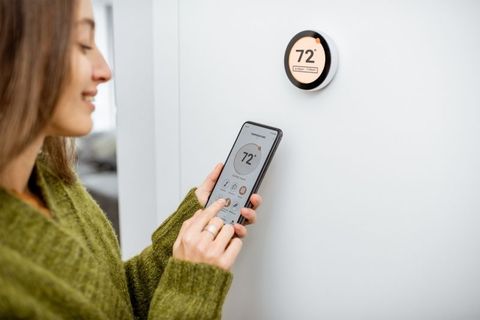
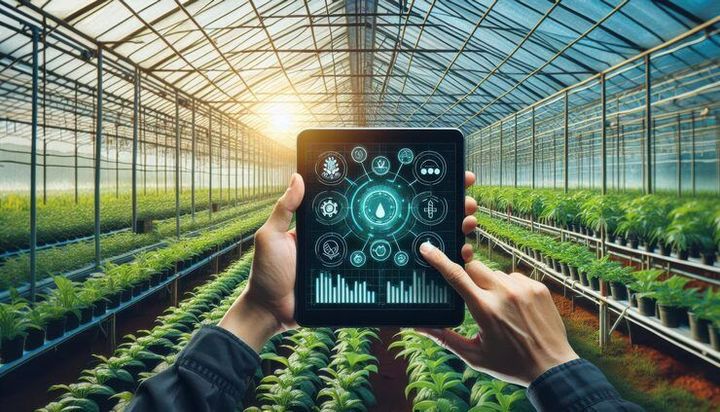
Remote monitoring allows farmers to check greenhouse conditions through connected devices such as tablets or smartphones.
Farmers can monitor:
- Temperature levels
- Water usage
- Plant growth conditions
- Humidity data
- Equipment activity
This improves decision-making and supports precision farming methods.
Important Subsections
Environmental Sensors
Sensors are one of the most important parts of greenhouse automation.
Common sensors include:
- Temperature sensors
- Humidity sensors
- Soil moisture sensors
- Light sensors
- Carbon dioxide sensors
These sensors collect real-time data and send information to the control system.
Automated Ventilation
Ventilation systems help maintain airflow inside the greenhouse.
Proper ventilation can:
- Prevent overheating
- Reduce excessive humidity
- Improve plant health
- Lower the risk of fungal growth
Automated roof vents and exhaust fans are commonly used.
Smart Farming Analytics
Modern greenhouse systems often use data analytics to improve farming decisions.
Data analysis helps growers understand:
- Crop performance
- Water consumption
- Seasonal changes
- Environmental patterns
This information helps improve agricultural efficiency over time.
How It Works
Greenhouse automation systems work through a connected process involving sensors, controllers, and automated equipment.
Here is a simple step-by-step explanation:
Step 1: Sensors Collect Data
Sensors continuously monitor greenhouse conditions such as:
- Temperature
- Soil moisture
- Humidity
- Light intensity
Step 2: Data Goes to the Control Unit
The information collected by sensors is sent to a central controller. This controller acts as the brain of the greenhouse system.
Step 3: The System Analyzes Conditions
The controller compares current conditions with preset growing requirements.
For example:
- Tomatoes may require specific humidity levels.
- Lettuce may need different lighting conditions.
Step 4: Automated Equipment Responds
If changes are needed, the system activates equipment automatically.
Examples include:
- Starting irrigation pumps
- Turning on grow lights
- Opening ventilation windows
- Activating cooling fans
Step 5: Continuous Monitoring
The process repeats continuously throughout the day to maintain stable growing conditions.
This automated cycle helps support healthy crop development with minimal manual adjustment.
Benefits and Advantages
Greenhouse automation systems provide many practical advantages for modern agriculture.
Improved Crop Quality
Stable environmental conditions help crops grow more evenly and consistently.
Plants receive:
- Proper lighting
- Balanced humidity
- Controlled temperature
- Regular irrigation
This often leads to healthier crops and better harvest quality.
Water Conservation
Smart irrigation systems reduce unnecessary water usage.
Water is distributed only when needed, which supports sustainable agriculture practices.
Energy Efficiency
Modern greenhouse systems use energy-efficient equipment such as LED lighting and automated climate management tools.
This helps reduce overall energy consumption.
Reduced Manual Work
Automation reduces the need for constant monitoring and manual adjustment.
Farmers can focus more on crop management and planning.
Better Disease Prevention
Controlled environments help reduce excessive moisture and poor airflow, which are common causes of plant disease.
Automated ventilation and humidity management support healthier growing conditions.
Year-Round Farming
Greenhouse automation helps farmers grow crops in different seasons and varying weather conditions.
This supports stable agricultural production throughout the year.
Real-World Examples or Applications
Greenhouse automation systems are used in many agricultural environments around the world.
Vegetable Farming
Tomatoes, cucumbers, peppers, and lettuce are commonly grown in automated greenhouses.
Climate and irrigation controls help improve vegetable production consistency.
Hydroponic Farming
Hydroponic farming grows plants without soil using nutrient-rich water solutions.
Automation helps manage:
- Water circulation
- Nutrient levels
- Oxygen supply
- Lighting conditions
Vertical Farming
Vertical farming uses stacked growing layers inside controlled indoor environments.
Automation is essential for maintaining lighting, temperature, and irrigation across multiple growing levels.
Flower Cultivation
Flower growers use greenhouse automation to maintain ideal blooming conditions for roses, orchids, and decorative plants.
Research and Agricultural Education
Agricultural research centers use automated greenhouses to study crop growth patterns and environmental effects.
These systems help researchers collect accurate farming data.
Important Factors to Understand
Several important factors should be considered when learning about greenhouse automation systems.
Climate Conditions
Different crops require different growing environments.
Understanding crop-specific temperature and humidity requirements is important for successful greenhouse management.
System Compatibility
All greenhouse equipment should work together properly.
Sensors, irrigation tools, climate controllers, and lighting systems must communicate efficiently.
Maintenance Requirements
Automated systems still require regular inspection and maintenance.
Important maintenance tasks include:
- Cleaning sensors
- Checking irrigation lines
- Monitoring ventilation systems
- Inspecting electrical connections
Data Accuracy
Sensor accuracy is very important in smart farming technology.
Incorrect data may affect irrigation timing, climate management, and plant growth conditions.
Energy Management
Efficient energy use is important for sustainable greenhouse operations.
Energy-saving technologies can improve long-term agricultural performance.
Future Trends and Industry Insights
Greenhouse automation continues to evolve with new farming technologies.
Artificial Intelligence in Agriculture
Artificial intelligence is becoming more common in greenhouse management.
AI systems can analyze crop conditions and predict environmental adjustments automatically.
Advanced IoT Integration
Internet-connected farming devices are becoming more advanced and reliable.
Future greenhouse systems may include:
- Real-time cloud monitoring
- Automated crop alerts
- Predictive climate control
- Smart agricultural dashboards
Robotics in Farming
Agricultural robotics may support automated harvesting, planting, and crop inspection in controlled environments.
Sustainable Agriculture Focus
Sustainability is becoming a major focus in modern farming.
Future greenhouse technology may improve:
- Water conservation
- Renewable energy usage
- Resource efficiency
- Environmental monitoring
Precision Agriculture Expansion
Precision agriculture uses detailed environmental data to improve farming accuracy.
Advanced analytics and smart monitoring tools will likely become more important in greenhouse farming systems.
Conclusion
Greenhouse automation systems are transforming modern agriculture through smart farming technology and controlled growing environments. These systems help farmers manage irrigation, climate, lighting, and crop conditions more efficiently.
By using sensors, automated equipment, and environmental monitoring tools, growers can improve crop quality, support water conservation, and maintain stable farming conditions throughout the year.
Greenhouse automation is widely used in hydroponics, vertical farming, vegetable cultivation, and precision agriculture. As technology continues to improve, smart greenhouse systems will likely become even more advanced, efficient, and sustainable.
Modern agriculture is moving toward data-driven farming methods, and greenhouse automation plays a major role in this agricultural transformation.