Maintaining Indoor Air Quality: Complete Guide to Healthier Living
The quality of the air inside homes, offices, schools, and commercial buildings has a significant impact on comfort, productivity, and overall well-being.
People spend a large portion of their day indoors, making clean and healthy air an essential part of modern living. Dust, airborne particles, humidity, poor ventilation, and everyday indoor activities can gradually affect the quality of indoor air if they are not properly managed.
Maintaining Indoor Air Quality involves creating a balanced indoor environment through proper ventilation, effective air filtration, humidity management, and regular building maintenance. Modern technologies such as air purification systems, HVAC air filtration, and smart air quality monitors make it easier than ever to improve indoor environments while supporting healthier living spaces. This guide explains how indoor air quality is maintained, why it matters, and the best practices for long-term air quality improvement.
What Is Indoor Air Quality?
Indoor air quality refers to the condition of the air inside buildings and how it affects the people who occupy those spaces. Good indoor air quality means maintaining clean air with minimal airborne contaminants while controlling temperature, humidity, and ventilation.
Modern buildings often rely on ventilation systems, HVAC air filtration, and air purification technology to reduce indoor air pollution and maintain comfortable living and working environments. Regular environmental monitoring also helps identify changes in air quality before they become significant concerns.
Why Maintaining Indoor Air Quality Is Important
Clean indoor air contributes to a more comfortable and productive environment. Poor ventilation, excessive humidity, and airborne particles can reduce overall indoor comfort and affect building performance over time.
Maintaining Indoor Air Quality is especially important in residential HVAC systems, commercial HVAC systems, healthcare facilities, schools, offices, and industrial buildings where large numbers of people spend extended periods indoors.
Industry guidance consistently emphasizes preventive maintenance, proper ventilation, and efficient air filtration as important components of indoor environmental quality and sustainable building design.
Common Factors That Affect Indoor Air Quality
Several everyday conditions influence indoor air quality.
Ventilation
Limited fresh air circulation can allow indoor pollutants to accumulate. Well-designed ventilation systems help exchange indoor and outdoor air more effectively.
Airborne Particles
Dust, pollen, pet dander, and fine particles are common indoor pollutants that can be managed through HEPA air filters and advanced air filtration technology.
Humidity Levels
Excess moisture may contribute to mold prevention challenges, while extremely dry air can reduce indoor comfort. Balanced humidity control helps maintain a healthier environment.
Building Maintenance
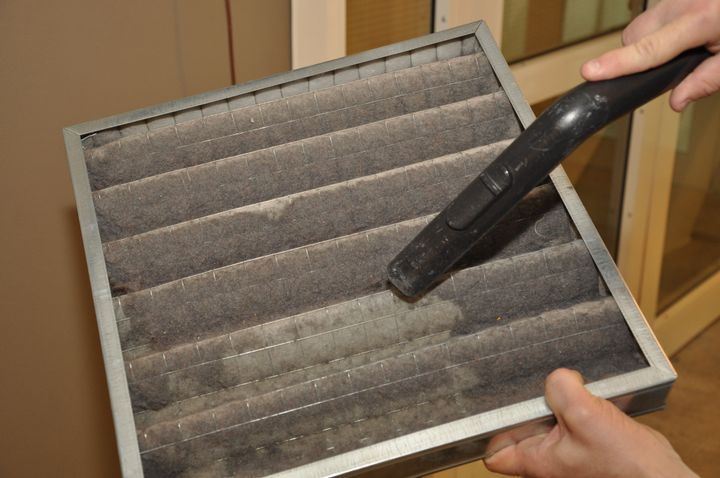
Regular HVAC maintenance, air duct cleaning, and equipment inspections help keep ventilation systems operating efficiently.
Solutions for Improving Indoor Air Quality
Modern buildings use multiple technologies to improve indoor air quality.
Common solutions include:
- Air purification systems
- HEPA air filters
- Whole house air filtration
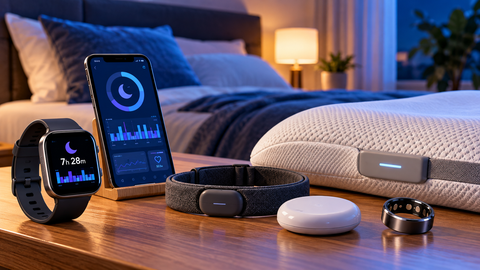
- Smart air quality monitors
- Energy efficient ventilation
- HVAC air filtration
- Ventilation solutions
- Humidity control systems
- Air quality monitoring devices
- Air filtration technology
These technologies work together to improve building air quality while reducing airborne contaminants.
Applications Across Different Buildings
Maintaining Indoor Air Quality is important across many environments.
Residential homes use home air purification systems and residential HVAC systems to create comfortable living spaces.
Commercial buildings depend on commercial HVAC systems and ventilation solutions to support employee productivity and indoor comfort.
Healthcare facilities require carefully controlled indoor environmental quality to maintain clean clinical spaces.
Educational institutions use ventilation systems and air quality monitoring to support healthy learning environments.
Industrial facilities often incorporate advanced airborne particle control systems to improve workplace conditions and equipment performance.
Benefits of Maintaining Indoor Air Quality
Improved Indoor Comfort
Clean, well-ventilated air creates a more pleasant environment for daily activities at home and in the workplace.
Better Building Performance
Proper HVAC maintenance and air filtration help ventilation systems operate more efficiently over time.
Enhanced Energy Efficiency
Energy efficient ventilation systems optimize airflow while supporting sustainable building operation.
Reduced Airborne Contaminants
Air purification systems and HEPA air filters help remove dust, pollen, and fine particles from indoor environments.
Long-Term Environmental Quality
Regular monitoring and preventive maintenance contribute to healthier indoor spaces and improved building performance.
Best Practices
Following a consistent maintenance routine helps maintain high indoor air quality.
- Replace air filters according to manufacturer recommendations.
- Schedule regular HVAC maintenance.
- Keep ventilation pathways unobstructed.
- Monitor indoor humidity levels.
- Use smart air quality monitors to track environmental conditions.
- Perform periodic air duct cleaning when appropriate.
These practices help create cleaner indoor environments while supporting long-term system performance.
Future Trends
Indoor air quality technology continues evolving through innovation. Smart building systems now integrate air quality monitoring with automated ventilation controls to respond to changing indoor conditions in real time.
Artificial intelligence is improving HVAC optimization, while connected sensors provide continuous environmental monitoring across residential and commercial buildings. Sustainable building design, advanced air purification systems, and energy-efficient filtration technologies are expected to play an increasingly important role in future indoor environments.
Frequently Asked Questions
What is indoor air quality?
Indoor air quality refers to the condition of the air inside buildings, including cleanliness, ventilation, humidity, and airborne particle levels.
Why is ventilation important?
Ventilation helps remove stale indoor air while introducing fresh outdoor air, supporting healthier and more comfortable indoor environments.
What are HEPA air filters?
HEPA air filters are highly efficient filtration systems designed to capture very small airborne particles, improving overall indoor air quality.
How can indoor air quality be improved?
Proper ventilation, HVAC maintenance, humidity control, air purification systems, and regular air quality monitoring all contribute to cleaner indoor air.
What technologies support modern indoor air quality?
Smart air quality monitors, advanced HVAC air filtration, energy-efficient ventilation, automated environmental controls, and air purification technology continue improving modern indoor environments.
Conclusion
Maintaining Indoor Air Quality is essential for creating healthier, more comfortable, and energy-efficient buildings. Through proper ventilation, advanced air filtration, humidity control, and routine HVAC maintenance, homes and commercial facilities can significantly improve indoor environmental quality.
As smart building technologies continue to advance, innovative air purification systems, intelligent monitoring, and sustainable ventilation solutions will further enhance indoor air quality, supporting cleaner and more efficient living and working environments.