Factory Ventilation Systems: Complete Guide to Air Quality & Safety
Maintaining clean indoor air is essential in industrial environments where manufacturing processes, machinery, and production activities can generate heat, dust, fumes, vapors, and airborne particles.
A well-designed factory ventilation system helps improve air circulation, supports workplace safety, and creates a healthier environment for employees while protecting production equipment and maintaining operational efficiency.
Modern factories rely on advanced ventilation technologies that combine air movement, filtration, exhaust systems, and intelligent monitoring. These systems not only improve indoor air quality but also help regulate temperature, control humidity, and remove contaminants generated during industrial operations. This guide explains how factory ventilation systems work, their major components, common applications, benefits, and future developments.
What Are Factory Ventilation Systems?
Factory ventilation systems are engineered air management solutions designed to remove contaminated air and replace it with clean, fresh air inside industrial buildings. These systems control airborne pollutants, regulate temperature, manage humidity, and improve overall indoor environmental conditions.
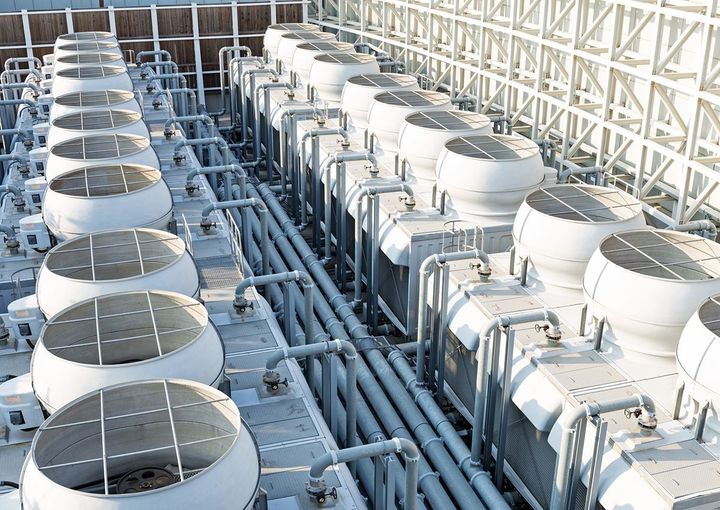
Depending on the manufacturing process, ventilation systems may include exhaust ventilation, mechanical ventilation, natural ventilation, air filtration units, ductwork, industrial fans, and automated monitoring equipment. Together, these components help maintain consistent air quality throughout production facilities.
Why Factory Ventilation Systems Are Important
Industrial environments often contain airborne contaminants produced during welding, machining, painting, chemical processing, packaging, and material handling. Without proper ventilation, these contaminants may accumulate and affect indoor air quality.
Factory ventilation systems help reduce airborne dust, industrial fumes, smoke, heat, and excess moisture while improving employee comfort and supporting efficient production. Industry reports indicate that organizations continue investing in industrial air quality solutions to enhance workplace safety, improve environmental performance, and maintain reliable manufacturing operations.
Modern ventilation also supports energy-efficient buildings by optimizing airflow and reducing unnecessary energy consumption.
How Factory Ventilation Systems Work
An industrial ventilation system operates through several coordinated stages.
Air Intake
Fresh outdoor air enters the building through designated intake units or mechanical ventilation equipment.
Air Distribution
Industrial fans and duct systems distribute clean air evenly throughout production areas to maintain consistent airflow.
Contaminant Removal
Local exhaust ventilation captures dust, fumes, smoke, vapors, and airborne particles directly from the source before they spread throughout the facility.
Air Filtration
High-performance filtration equipment removes fine particles and contaminants before air is recirculated or discharged.
Continuous Monitoring
Modern building management systems monitor airflow, temperature, humidity, and indoor air quality, allowing operators to optimize system performance in real time.
Common Types of Factory Ventilation Systems
Different industrial facilities require different ventilation approaches depending on their manufacturing processes.
Natural Ventilation
Natural ventilation uses windows, roof vents, and building openings to promote airflow through natural pressure differences and wind movement.
Mechanical Ventilation
Mechanical systems use industrial fans, blowers, and air handling equipment to maintain controlled airflow throughout the facility.
Local Exhaust Ventilation
These systems capture contaminants directly at the source, making them ideal for welding stations, paint booths, and chemical processing areas.
General Dilution Ventilation
Dilution systems continuously introduce fresh air while removing contaminated indoor air to maintain acceptable air quality across large production spaces.
Key Components
A complete industrial ventilation system typically includes:
- Industrial exhaust fans
- Air handling units
- Ventilation ductwork
- Air filtration systems
- Dust collection equipment
- Local exhaust ventilation
- Industrial blowers
- Air quality sensors
- Humidity control systems
- Building automation controls
- Ventilation louvers
- Fresh air intake systems
Each component contributes to maintaining safe and efficient airflow throughout the facility.
Applications Across Industries
Factory ventilation systems support a wide range of industries.
Manufacturing facilities use ventilation to control dust, heat, and airborne contaminants generated during production.
Chemical processing plants depend on advanced exhaust ventilation to manage vapors and maintain safe operating conditions.
Food processing facilities use controlled ventilation to maintain hygiene, regulate temperature, and improve production environments.
Automotive manufacturing relies on specialized ventilation for welding, painting, assembly operations, and industrial finishing processes.
Pharmaceutical production facilities use carefully controlled airflow and filtration systems to support clean manufacturing environments.
Benefits of Factory Ventilation Systems
Improved Air Quality
Continuous airflow and advanced filtration reduce airborne contaminants, helping create cleaner indoor environments.
Better Workplace Safety
Removing fumes, dust, smoke, and hazardous particles supports healthier working conditions and safer industrial operations.
Enhanced Equipment Performance
Clean air reduces dust accumulation on production equipment, helping maintain operational efficiency and extending equipment life.
Greater Energy Efficiency
Modern ventilation technology optimizes airflow while reducing unnecessary energy consumption through intelligent control systems.
Improved Employee Comfort
Stable temperatures, controlled humidity, and better air circulation create a more comfortable working environment throughout the facility.
Best Practices
To maintain effective ventilation performance:
- Conduct routine indoor air quality assessments.
- Inspect ventilation equipment regularly.
- Replace air filters according to maintenance schedules.
- Monitor airflow and pressure continuously.
- Keep ventilation ducts clean.
- Review system performance as production requirements change.
Regular maintenance helps ensure reliable long-term operation.
Future Trends
Industrial ventilation technology continues evolving through automation and smart monitoring. Artificial intelligence is helping optimize airflow, while Internet of Things (IoT) sensors provide continuous information about indoor air quality, humidity, and equipment performance.
Predictive maintenance platforms identify maintenance needs before equipment performance declines. Energy-efficient ventilation equipment, advanced filtration technologies, and sustainable building designs are also shaping the future of industrial air management.
Frequently Asked Questions
What are factory ventilation systems?
They are engineered systems designed to improve indoor air quality by supplying clean air and removing contaminants from industrial facilities.
Which industries use industrial ventilation?
Manufacturing, pharmaceuticals, food processing, automotive production, chemical processing, logistics, and electronics manufacturing all depend on industrial ventilation systems.
Why is air filtration important?
Air filtration removes airborne particles, dust, smoke, and other contaminants, helping maintain cleaner and healthier indoor environments.
What is local exhaust ventilation?
Local exhaust ventilation captures contaminants directly at the source before they spread throughout the workplace.
How is ventilation technology improving?
Artificial intelligence, IoT monitoring, predictive maintenance, smart automation, and energy-efficient air handling systems continue improving industrial ventilation performance.
Conclusion
Factory ventilation systems play a vital role in maintaining clean air, supporting workplace safety, and improving manufacturing efficiency. Through advanced airflow management, industrial air filtration, and intelligent monitoring, these systems help create healthier environments while protecting employees, equipment, and production processes.
As industrial facilities continue adopting smart technologies and sustainable building practices, factory ventilation systems will remain an essential part of modern manufacturing by delivering cleaner air, greater operational efficiency, and improved environmental performance.