Edge AI Computing: Complete Guide to Real-Time Intelligence and Applications
Edge AI Computing is transforming how devices process and analyze data.
Instead of sending information to distant cloud servers for processing, edge AI allows intelligent decisions to happen directly on devices or near the data source. This approach reduces delays, improves efficiency, and supports real-time intelligence.
Today, Edge AI is used in smart manufacturing, autonomous vehicles, industrial automation, healthcare monitoring, smart cities, and IoT devices. As organizations generate larger amounts of data, the ability to analyze information instantly has become increasingly important. Understanding Edge AI Computing helps explain how modern intelligent systems operate in a fast-moving digital environment.
Understanding the Concept
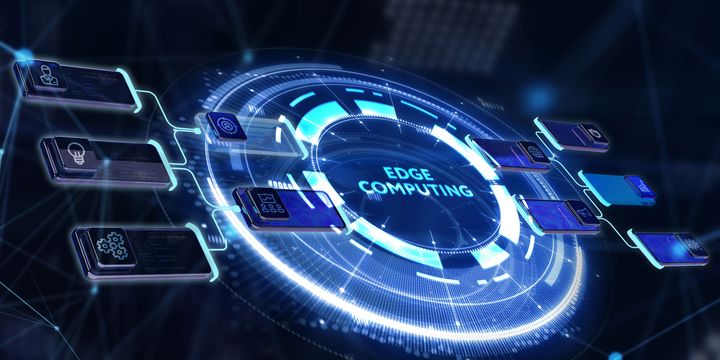
Edge AI Computing combines artificial intelligence with edge computing. Edge computing refers to processing data close to where it is created rather than transferring everything to centralized cloud infrastructure.
Artificial intelligence enables machines to recognize patterns, make predictions, and support decision-making. When AI capabilities are deployed directly on edge devices, the result is Edge AI.
For example, a smart security camera equipped with Edge AI can detect unusual activity immediately. Instead of continuously transmitting video streams to a remote location for analysis, the camera processes information locally and responds in real time.
This approach improves response speed and reduces network dependency.
Key Types or Categories
Several categories of Edge AI Computing are commonly used across industries.
Device-Level Edge AI
In this model, AI processing happens directly on a device.
Examples include:
- Smart cameras
- Smartphones
- Wearable devices
- Smart sensors
- Autonomous robots
These devices analyze data locally and make immediate decisions.
Gateway Edge AI
Gateway systems sit between devices and cloud environments.
Common functions include:
- Data filtering
- AI inference
- Device coordination
- Network optimization
This approach reduces unnecessary data transmission.
Industrial Edge AI
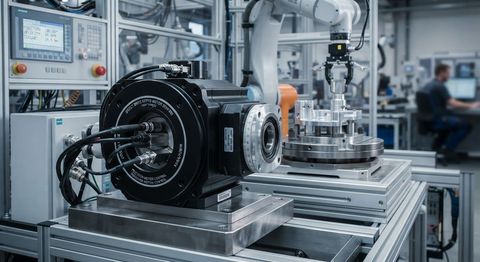
Industrial environments often use Edge AI for real-time monitoring and predictive maintenance.
Applications include:
- Smart factory systems
- Industrial robotics
- Equipment monitoring
- Quality inspection
Industrial edge computing supports operational efficiency and automation.
Cloud-Assisted Edge AI
Some organizations combine local AI processing with cloud computing infrastructure.
In this model:
- Immediate decisions occur at the edge.
- Long-term analysis occurs in cloud environments.
- AI models are updated centrally.
- Devices receive optimized model updates.
This hybrid approach balances performance and scalability.
Important Subsections
AI Inference at the Edge
Inference refers to the process of making predictions using a trained AI model.
For example:
- Detecting objects in a video feed
- Identifying equipment failures
- Recognizing speech commands
- Monitoring traffic patterns
Edge AI focuses heavily on inference because decisions must occur quickly.
Internet of Things Integration
Many Edge AI systems operate alongside IoT devices.
Examples include:
- Environmental sensors
- Connected machinery
- Smart home devices
- Transportation systems
IoT devices generate data while Edge AI transforms that data into actionable insights.
Real-Time Data Processing
One of the most important aspects of Edge AI is real-time analytics.
Instead of waiting for information to travel across networks, devices can process data instantly and respond immediately.
This capability is particularly important in environments where delays can affect performance or safety.
Machine Learning Models
Machine learning models are trained using historical data.
Once trained, these models can be deployed on edge devices to:
- Classify information
- Detect anomalies
- Predict outcomes
- Support intelligent automation
Compact and efficient models are often preferred for edge deployment.
How It Works
Edge AI Computing follows a straightforward process.
Step 1: Data Collection
Sensors, cameras, machines, and connected devices generate data continuously.
Examples include:
- Images
- Video streams
- Temperature readings
- Motion information
- Equipment status data
Step 2: Local Processing
The edge device receives and processes the information locally.
Instead of transmitting all data to a remote location, only relevant information is analyzed.
Step 3: AI Analysis
Machine learning models evaluate incoming data.
The system identifies patterns, detects events, or generates predictions.
Step 4: Decision Making
The device makes an immediate decision.
Examples include:
- Triggering an alert
- Adjusting machine settings
- Identifying security threats
- Detecting defects in manufacturing
Step 5: Optional Cloud Synchronization
Selected information may later be transferred to cloud platforms for:
- Long-term storage
- Advanced analytics
- Model improvement
- System optimization
This creates a balance between local intelligence and centralized management.
Benefits and Advantages
Edge AI Computing provides numerous advantages across industries.
Faster Response Times
Real-time intelligence enables devices to react immediately.
This is especially valuable in:
- Industrial automation
- Smart transportation
- Security monitoring
- Healthcare systems
Reduced Network Traffic
Processing data locally decreases the amount of information sent across networks.
This improves bandwidth efficiency and system performance.
Improved Reliability
Devices can continue operating even when network connectivity is limited.
Local processing allows critical functions to remain active.
Enhanced Data Privacy
Sensitive information can remain closer to its source.
Organizations often prefer local processing for confidential operational data.
Better Scalability
As the number of connected devices grows, Edge AI helps distribute processing workloads more efficiently.
This reduces pressure on centralized infrastructure.
Greater Operational Efficiency
AI-powered automation helps organizations:
- Improve productivity
- Detect issues earlier
- Reduce downtime
- Optimize resources
These improvements support long-term performance goals.
Real-World Examples or Applications
Edge AI Computing is becoming increasingly common across many sectors.
Smart Manufacturing
Manufacturing facilities use Edge AI for:
- Predictive maintenance
- Quality control
- Equipment monitoring
- Production optimization
For example, cameras can identify product defects immediately during production.
Autonomous Vehicles
Self-driving vehicles require instant decision-making.
Edge AI enables vehicles to:
- Detect obstacles
- Recognize traffic signs
- Monitor road conditions
- Navigate safely
Real-time processing is essential because even small delays can affect vehicle performance.
Healthcare Monitoring
Healthcare devices increasingly use Edge AI to analyze patient data.
Applications include:
- Heart rate monitoring
- Medical imaging analysis
- Remote patient observation
- Wearable health devices
Immediate insights support faster responses when unusual conditions appear.
Smart Cities
City infrastructure can benefit from Edge AI through:
- Traffic management
- Environmental monitoring
- Public safety systems
- Intelligent transportation networks
Real-time analytics help improve urban operations.
Retail Analytics
Retail environments use Edge AI to understand customer behavior and optimize operations.
Examples include:
- Foot traffic analysis
- Inventory monitoring
- Queue management
- Store performance insights
These capabilities help organizations make informed decisions.
Energy Management
Energy systems increasingly rely on intelligent monitoring.
Edge AI supports:
- Smart grids
- Energy consumption analysis
- Equipment diagnostics
- Infrastructure monitoring
This improves efficiency and operational visibility.
Important Factors to Understand
Organizations should consider several factors when implementing Edge AI Computing.
Processing Power
Edge devices must have sufficient computing capability to run AI models efficiently.
More advanced applications often require specialized AI hardware.
Model Optimization
AI models deployed at the edge need to be efficient and lightweight.
Smaller models often perform better on resource-constrained devices.
Security
Cybersecurity remains an important consideration.
Organizations should protect devices, communications, and data from unauthorized access.
Connectivity Requirements
Although Edge AI reduces network dependency, many systems still require periodic communication with cloud environments.
Reliable connectivity remains beneficial for updates and monitoring.
Data Management
Organizations must determine:
- Which data remains local
- Which data is transferred
- How long information is retained
- How analytics are managed
A clear data strategy supports successful deployment.
Future Trends and Industry Insights
Edge AI Computing is expected to play a major role in the future of digital transformation.
Advanced AI Chips
Specialized AI processors are becoming more powerful and energy efficient.
These processors support increasingly sophisticated edge applications.
Expansion of Industrial Automation
Smart factories are expected to adopt more AI-driven monitoring and automation capabilities.
Industrial edge computing will continue supporting operational intelligence.
Growth of Smart Devices
Connected devices are becoming more intelligent.
Future devices will increasingly process information independently without relying heavily on centralized systems.
Integration with 5G Networks
5G connectivity supports faster communication between devices and edge infrastructure.
This combination enables new possibilities for real-time analytics and intelligent automation.
Enhanced Predictive Analytics
Future Edge AI systems will improve their ability to predict events before they occur.
Examples include:
- Equipment failures
- Traffic congestion
- Energy demand fluctuations
- Operational disruptions
These predictive capabilities can support more proactive decision-making.
Increased Adoption Across Industries
Industries such as healthcare, transportation, manufacturing, telecommunications, and energy are expected to expand Edge AI adoption significantly.
As AI models become more efficient, deployment opportunities will continue growing.
Conclusion
Edge AI Computing combines artificial intelligence and edge computing to deliver real-time intelligence directly where data is generated. By processing information locally, organizations can reduce delays, improve efficiency, enhance privacy, and support faster decision-making.
From industrial automation and smart manufacturing to healthcare monitoring and autonomous vehicles, Edge AI is reshaping how intelligent systems operate. Its ability to analyze data instantly makes it an important technology for modern digital environments.
As AI hardware, machine learning models, IoT devices, and 5G networks continue advancing, Edge AI Computing is expected to become even more powerful and widely adopted. Understanding its principles, applications, and future trends provides valuable insight into the next generation of intelligent computing systems.