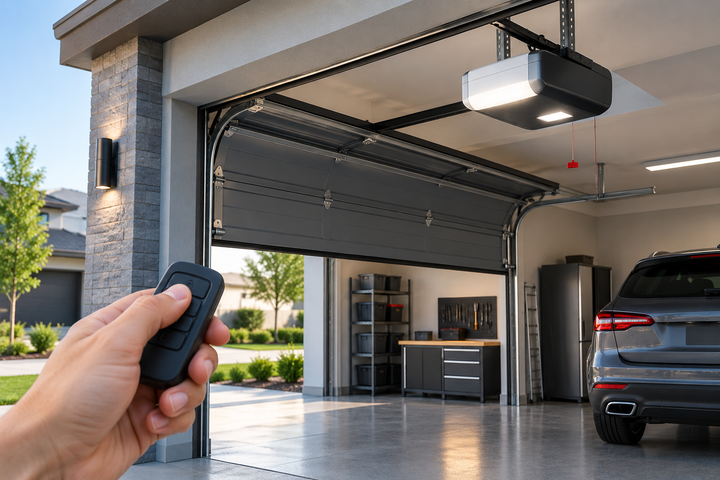
Smart Garage Door Openers: Features, Technologies and Insights
Smart garage door openers are transforming how people access and manage their garages.
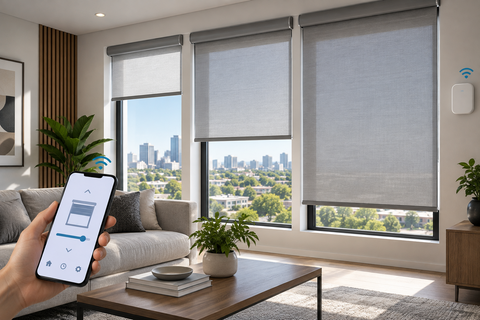
Unlike traditional garage door systems that rely mainly on handheld remotes, modern smart garage door openers use wireless connectivity, mobile apps, sensors, and automation technologies to provide greater convenience and control.
These systems allow users to monitor, open, close, and receive alerts about garage door activity from virtually anywhere with an internet connection. As smart home technology continues to evolve, smart garage door openers have become an important part of connected home ecosystems.
Understanding how these devices work, their features, applications, and future developments can help homeowners and property managers make informed decisions about garage access and security.
Quick Facts Table
| Topic | Purpose | Key Features | Main Benefits | Common Applications |
|---|---|---|---|---|
| Smart Garage Door Openers | Automate and monitor garage access | Mobile connectivity, sensors, automation, remote control, activity alerts | Convenience, improved monitoring, remote access, automation | Residential garages, apartment buildings, commercial facilities, smart homes |
What Are Smart Garage Door Openers?
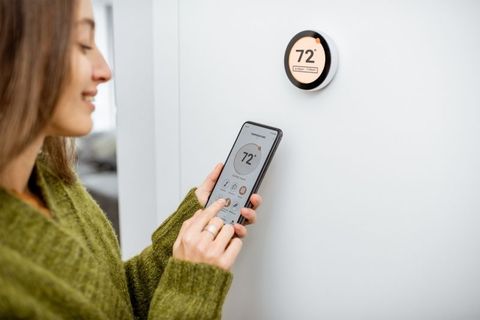
Smart garage door openers are connected devices that allow users to control and monitor garage doors through smartphones, tablets, voice assistants, or automation platforms.
These systems combine mechanical garage door operation with wireless communication technologies, enabling remote management and real-time notifications. Many models also integrate with broader smart home platforms for enhanced automation.
Why Are Smart Garage Door Openers Important?
Garage doors are among the largest moving components in many properties and often serve as a primary entry point. Smart garage technology improves accessibility, monitoring, and operational awareness.
Their growing popularity is driven by:
- Increased smart home adoption
- Greater demand for remote access
- Improved home monitoring capabilities
- Automation convenience
- Real-time activity tracking
- Integration with connected devices
Smart Garage Technology Facts
- Smart home adoption continues to increase globally.
- Mobile-based access management is becoming more common.
- Connected devices improve remote monitoring capabilities.
- Automation technologies simplify daily routines.
- Sensor technologies enhance operational awareness.
- Cloud-connected platforms improve device management.
Understanding the Concept
A smart garage door opener combines traditional garage door mechanics with digital communication technology.
The system typically includes a motorized opener, wireless communication module, sensors, mobile application, and monitoring platform. Together, these components enable users to manage garage access through connected devices.
Many systems can also integrate with smart lighting, home security technologies, and voice-controlled assistants.
Major Smart Garage Door Technologies
- Wi-Fi Connectivity
- Bluetooth Communication
- Mobile Applications
- Cloud-Based Monitoring
- Voice Assistant Integration
- Smart Sensors
- Geofencing Technologies
- Camera Integration
- Activity Logging
- Automation Platforms
- Remote Notifications
- Access Management Tools
Smart Garage Features Comparison Table
| Feature | Function | Convenience Level | Typical Application |
|---|---|---|---|
| Remote Access | Open or close doors remotely | High | Residential |
| Activity Alerts | Sends notifications | High | Smart Homes |
| Geofencing | Automated operation based on location | Medium | Daily Commuting |
| Camera Integration | Visual monitoring | High | Home Security |
| Voice Control | Hands-free operation | High | Connected Homes |
| Scheduling | Automated opening and closing | Medium | Property Management |
Key Features and Core Components
Modern smart garage door openers often include:
- Wireless connectivity
- Mobile device control
- Real-time alerts
- Motion sensors
- Door position monitoring
- Voice assistant compatibility
- Access sharing capabilities
- Activity history tracking
- Automation scheduling
- Camera support
- Cloud connectivity
- Smart home integration
Types of Smart Garage Door Openers
Wi-Fi Enabled Openers
These systems connect directly to home internet networks and provide remote access through mobile applications.
Bluetooth-Based Openers
Bluetooth systems operate over shorter distances and are often used for local device communication.
Smart Controller Add-Ons
These devices add smart functionality to existing garage door openers without replacing the entire system.
Integrated Smart Openers
Integrated systems include built-in connectivity, sensors, and automation features from the start.
What Is Remote Garage Access?
Remote garage access allows users to control garage doors from a smartphone or connected device regardless of physical location.
This capability provides flexibility and convenience for homeowners, visitors, and property managers.
What Is Geofencing?
Geofencing uses location information from mobile devices to trigger automated actions when users enter or leave a defined area.
For example, a garage door may automatically open when a resident approaches home.
What Is Smart Home Integration?
Smart home integration allows garage door openers to communicate with connected devices such as lighting systems, cameras, sensors, and voice assistants.
This creates a more connected and automated environment.
How Smart Garage Door Openers Work
- A user sends a command through a mobile app, remote device, or voice assistant.
- The command is transmitted through a wireless network.
- The opener receives and processes the instruction.
- Sensors verify door position and operational status.
- The motor activates to open or close the garage door.
- Activity data is recorded in the monitoring platform.
- Notifications may be sent to connected devices.
- The system updates door status in real time.
Benefits and Advantages
Smart garage door openers provide numerous practical benefits:
- Convenient remote access
- Improved monitoring capabilities
- Real-time notifications
- Easier visitor management
- Activity tracking
- Smart home integration
- Enhanced operational awareness
- Automation flexibility
- Access management options
- Improved user convenience
- Scheduling capabilities
- Support for connected living environments
Industry Applications
Residential Homes
Homeowners use smart garage systems for daily access management and monitoring.
Apartment Communities
Property managers utilize connected access systems to support multiple residents.
Commercial Facilities
Businesses use automated garage systems for vehicle access and operational efficiency.
Smart Home Ecosystems
Garage door technologies integrate with broader home automation platforms.
Storage Facilities
Connected garage technologies support monitoring and controlled access.
Mixed-Use Developments
Modern buildings increasingly incorporate smart access technologies.
Real-World Examples and Applications
Example: Daily Commuting
A homeowner uses a smartphone app to confirm that the garage door closed after leaving for work.
Example: Family Access
A family shares controlled access permissions with household members through a connected platform.
Example: Delivery Coordination
A property owner receives notifications when garage access occurs during scheduled deliveries.
Example: Smart Home Automation
A connected system activates garage lighting when the door opens during evening hours.
Important Factors to Consider
Before selecting a smart garage system, consider:
- Compatibility with existing garage doors
- Internet connectivity requirements
- Mobile app functionality
- Security features
- Sensor capabilities
- Automation options
- Voice assistant compatibility
- Maintenance requirements
- User access controls
- Integration capabilities
Common Challenges and Solutions
| Challenge | Impact | Solution |
|---|---|---|
| Weak Connectivity | Reduced responsiveness | Improve network coverage |
| Sensor Misalignment | Incorrect status updates | Regular sensor checks |
| Device Compatibility Issues | Integration limitations | Verify compatibility before installation |
| Access Management Complexity | User confusion | Use structured permissions |
| Power Interruptions | Temporary unavailability | Backup power solutions |
Smart Garage Best Practices
- Keep mobile applications updated.
- Review user permissions regularly.
- Test sensors periodically.
- Monitor activity logs.
- Use strong account credentials.
- Verify connectivity performance.
- Check door operation routinely.
- Integrate monitoring features when appropriate.
- Review automation settings periodically.
- Maintain garage door hardware properly.
Future Trends and Industry Insights
Several emerging technologies are shaping the future of smart garage systems.
Artificial Intelligence Integration
AI technologies may help improve activity recognition and operational insights.
Advanced Automation
Future systems will likely support more personalized automation scenarios.
Enhanced Sensor Technologies
New sensors may provide more detailed monitoring and diagnostics.
Camera and Analytics Integration
Visual monitoring technologies continue to evolve alongside connected access systems.
Smart Energy Management
Connected devices may become more integrated with home energy management platforms.
Expanded Voice Control
Voice-enabled interactions are expected to become increasingly sophisticated.
Predictive Maintenance Technologies
Future systems may identify operational issues before performance is affected.
Expert Insights
Smart garage door openers represent an important part of the growing connected home ecosystem. By combining automation, wireless communication, sensors, and monitoring technologies, these systems provide greater visibility and convenience for property access management.
As smart home adoption continues to expand, garage access technologies are expected to become more intelligent, integrated, and capable of supporting broader automation objectives.
Key Takeaways
- Smart garage door openers provide connected access management.
- Mobile applications enable remote monitoring and control.
- Wireless technologies support real-time communication.
- Smart sensors improve operational awareness.
- Automation features enhance convenience.
- Activity notifications provide visibility into garage usage.
- Smart home integration expands functionality.
- Future systems will increasingly utilize AI and advanced analytics.
Frequently Asked Questions (FAQ)
What is a smart garage door opener?
A smart garage door opener is a connected device that allows users to monitor and control garage doors remotely.
How do smart garage door openers work?
They use wireless communication, sensors, and mobile applications to manage garage access.
Can smart garage door openers work with smartphones?
Yes, most systems support smartphone-based monitoring and control.
What is remote garage access?
Remote garage access allows users to operate garage doors from a connected device regardless of location.
What is geofencing in smart garage systems?
Geofencing automates actions based on the location of a mobile device.
Do smart garage door openers use Wi-Fi?
Many systems use Wi-Fi connectivity for remote communication and monitoring.
What is activity tracking?
Activity tracking records garage door events such as openings, closings, and access attempts.
Can multiple users access a smart garage system?
Many platforms support shared access permissions.
What is smart home integration?
Smart home integration enables communication between garage systems and other connected devices.
What are smart sensors?
Smart sensors monitor door position, movement, and operational status.
Can smart garage systems send notifications?
Yes, many systems provide real-time alerts and status updates.
What is voice control?
Voice control allows users to operate systems using compatible voice assistants.
What is predictive maintenance?
Predictive maintenance technologies help identify potential operational issues before they become larger problems.
Are smart garage door openers suitable for commercial facilities?
Many connected access technologies are used in commercial and industrial environments.
What is the future of smart garage technology?
Future developments are expected to include AI integration, advanced automation, predictive analytics, and improved connectivity.
Conclusion
Smart garage door openers combine traditional garage access systems with modern connectivity, automation, and monitoring technologies. These systems provide greater convenience, improved visibility, and enhanced control over garage operations through smartphones, sensors, and connected platforms.
As smart home technologies continue to evolve, smart garage systems are expected to become increasingly integrated with broader automation environments. Understanding their features, applications, and future developments helps illustrate their growing role in connected property management.