Learn About Food Industry Innovation and Technology
The global food industry continues to evolve as technology changes how food is produced, packaged, distributed, and consumed. From smart farming systems to advanced logistics software, innovation now plays a major role in improving quality, efficiency, and sustainability across every stage of the food and beverage supply chain.
Today, the food industry is influenced by changing consumer habits, environmental concerns, digital transformation, and growing demand for transparency. Businesses within food industry sectors are adapting to these trends by using automation, artificial intelligence, data analysis, and sustainable practices to improve operations and meet modern expectations.
Understanding the Modern Food Industry
The food industry includes many connected sectors that work together to move products from farms to consumers. These sectors include food processing, agriculture, packaging, transportation, retail, and ingredient manufacturing.
Technology is helping companies improve productivity while maintaining food quality and safety standards. Digital monitoring systems, smart machinery, and cloud-based supply chain management tools are now common across many food industry sectors.
The rise of the food tech industry has also introduced new approaches to food development. Companies are exploring plant-based products, precision fermentation, robotics, and smart kitchens to support changing consumer preferences.
Main Areas of the Food Industry
| Sector | Main Function | Technology Trends |
|---|---|---|
| Food Processing | Preparing and manufacturing food products | Automation and robotics |
| Food Packaging Industry | Protecting and labeling products | Sustainable packaging |
| Food Distribution Industry | Transportation and storage | AI logistics systems |
| Food Ingredient Suppliers | Providing raw materials and additives | Digital inventory tracking |
| Retail and Delivery | Consumer access and distribution | Online ordering platforms |
The Role of Technology in Food Production
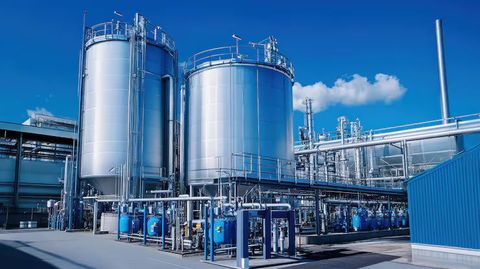
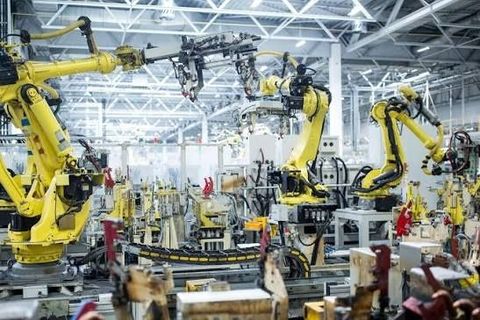
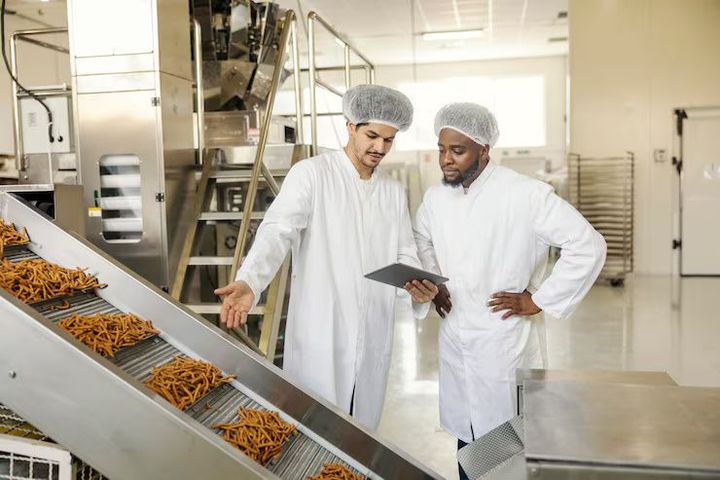
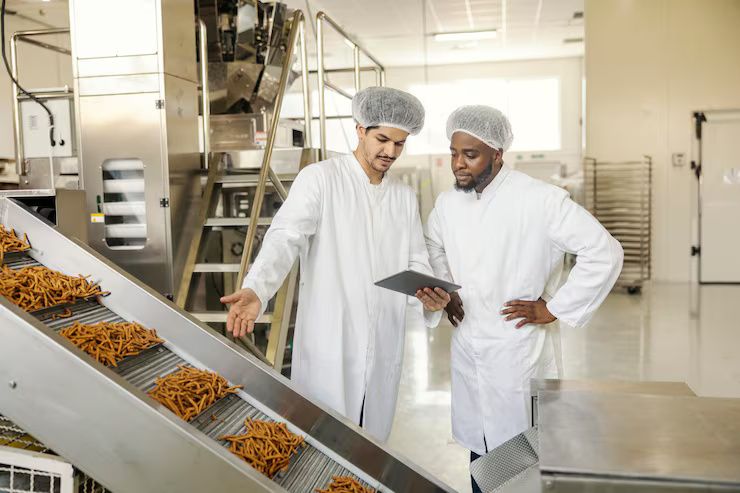
Modern food production relies heavily on advanced systems that improve consistency and reduce waste. Automated production lines help manufacturers process large volumes while maintaining hygiene standards and product quality.
Artificial intelligence is now used to monitor equipment performance, predict maintenance needs, and optimize production schedules. Sensors can track temperature, humidity, and storage conditions in real time, helping businesses maintain food safety requirements.
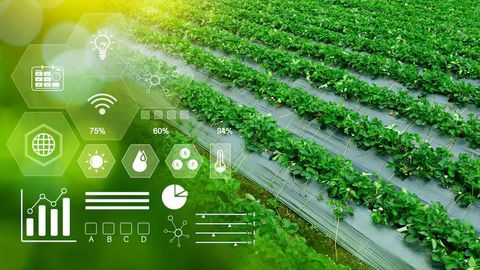
The food tech industry also supports research into alternative ingredients and sustainable farming methods. Precision agriculture tools allow farmers to use water, fertilizer, and energy more efficiently. This helps improve crop quality while reducing environmental impact.
Blockchain technology is another growing trend in the food and beverage supply chain. It allows businesses to track products from source to destination, improving transparency and traceability. Consumers increasingly value information about where products come from and how they are handled.
Innovation in the Food Packaging Industry
The food packaging industry has experienced major transformation in recent years. Companies are focusing on sustainability, product protection, and smarter packaging designs.
Traditional packaging materials are gradually being replaced with recyclable, biodegradable, and compostable alternatives. This shift helps reduce environmental concerns associated with plastic waste.
Smart packaging technology is also becoming more common. Some packaging systems now include freshness indicators, QR codes, or temperature sensors that provide real-time information about product quality.
Emerging Packaging Innovations
Several packaging trends are shaping the future of the food industry:
- Biodegradable containers made from plant-based materials
- Vacuum sealing systems that extend shelf life
- Smart labels for tracking freshness and storage conditions
- Lightweight packaging that reduces transportation impact
- Recyclable paper-based alternatives for food storage
The food packaging industry also supports brand transparency. Clear labeling and digital information systems help consumers understand ingredients, nutrition details, and sourcing practices.
How the Food Distribution Industry Is Changing
The food distribution industry has become more technology-driven due to growing demand for faster and more reliable delivery systems. Distribution networks now use digital platforms to track shipments, manage inventory, and improve route planning.
Cold chain technology is especially important for products that require temperature control during transportation. Advanced refrigeration systems and GPS tracking tools help reduce spoilage and maintain product quality.
Warehouse automation is another major trend. Many distribution centers now use robotics and automated storage systems to improve speed and accuracy. These systems help businesses manage large inventories more efficiently.
Data analytics also plays a major role in the food distribution industry. Companies can study purchasing trends, forecast demand, and optimize supply chain operations using real-time information.
Importance of Food Ingredient Suppliers
Food ingredient suppliers are essential to the overall food and beverage supply chain. They provide manufacturers with ingredients such as flavorings, preservatives, proteins, sweeteners, oils, and nutritional additives.
Technology is improving communication between suppliers and manufacturers. Digital sourcing platforms allow businesses to track ingredient availability, quality certifications, and shipment status more efficiently.
Ingredient innovation is another growing area within the food tech industry. Companies are developing plant-based proteins, natural colorings, and alternative sweeteners to support changing dietary preferences.
Sustainability is also becoming important among food ingredient suppliers. Many suppliers now focus on responsible sourcing, reduced environmental impact, and transparent production methods.
Sustainability and the Future of the Food Industry
Environmental awareness is encouraging businesses to rethink how food is produced and distributed. Sustainable practices are now becoming a key priority across multiple food industry sectors.
Energy-efficient manufacturing systems, waste reduction programs, and water conservation strategies are helping businesses reduce environmental impact. Many companies are also investing in renewable energy and eco-friendly logistics solutions.
The food packaging industry contributes to sustainability by reducing excess packaging materials and promoting reusable alternatives. Similarly, the food distribution industry is improving transportation efficiency to lower fuel consumption and emissions.
Consumer awareness continues to shape industry decisions. People increasingly prefer products with clear sourcing information, environmentally responsible packaging, and ethical production standards.
Digital Transformation in the Food and Beverage Supply Chain
Digital transformation affects every stage of the food and beverage supply chain. Cloud computing, artificial intelligence, and Internet of Things devices allow businesses to improve efficiency and decision-making.
Real-time monitoring systems help manufacturers and distributors identify problems quickly. Inventory management software can track stock levels automatically, reducing shortages and waste.
Predictive analytics is also changing supply chain management. Businesses can use historical data and market trends to forecast demand more accurately.
Below is a comparison of traditional and technology-driven supply chain systems:
| Traditional Systems | Technology-Driven Systems |
|---|---|
| Manual inventory tracking | Automated digital tracking |
| Limited shipment visibility | Real-time logistics monitoring |
| Slower communication | Instant cloud-based updates |
| Reactive maintenance | Predictive maintenance tools |
| Paper-based documentation | Digital record management |
Digital transformation also improves food safety compliance. Automated documentation and tracking systems help businesses maintain accurate records and respond quickly during inspections or recalls.
Consumer Trends Influencing Food Innovation
Consumer preferences continue to influence innovation across the food industry. Health awareness, convenience, and sustainability are now major drivers of product development.
Many consumers are interested in products with natural ingredients and simplified labels. This trend encourages food ingredient suppliers to develop cleaner formulations and alternative ingredients.
Convenience remains another important factor. Ready-to-eat meals, meal delivery platforms, and smart kitchen technologies are becoming more common in urban areas.
Technology also helps businesses understand consumer behavior more effectively. Social media analysis, customer feedback systems, and purchasing data provide valuable insights into changing preferences.
The food tech industry uses these insights to create products that align with market demand while improving operational efficiency.
Challenges Facing the Food Industry
Despite rapid innovation, the food industry still faces several challenges. Supply chain disruptions, changing regulations, and rising environmental concerns continue to affect global operations.
Cybersecurity has become increasingly important as more businesses rely on digital systems. Protecting sensitive supply chain data and operational information is now a major priority.
Climate change also affects agriculture and food production. Extreme weather conditions can influence crop yields, transportation networks, and ingredient availability.
Workforce training is another challenge within technology-driven food industry sectors. Employees must adapt to new digital tools, automated systems, and data management platforms.
Even with these challenges, innovation continues to create opportunities for improvement across the food packaging industry, food distribution industry, and broader food and beverage supply chain.
The Future of Food Industry Innovation
The future of the food industry will likely include greater automation, smarter supply chains, and stronger sustainability initiatives. Artificial intelligence, robotics, and biotechnology are expected to continue shaping production and distribution systems.
Personalized nutrition may also become more common as technology allows businesses to develop products tailored to individual dietary preferences and health goals.
The food tech industry will likely continue exploring alternative proteins, vertical farming, and advanced preservation methods. These innovations may help address growing population demands while reducing environmental impact.
As digital transformation expands, collaboration between manufacturers, food ingredient suppliers, distributors, and retailers will become even more important. Businesses that adapt to changing technologies and consumer expectations may improve long-term efficiency and resilience.
The food industry remains one of the world’s most dynamic sectors. Innovation and technology are helping businesses improve quality, sustainability, transparency, and operational performance while supporting the evolving needs of consumers worldwide.