Industrial Soldering Machines in Modern Electronics
Industrial soldering machines play an important role in electronics manufacturing, automation systems, and smart production environments. These machines help improve accuracy, consistency, and efficiency in assembling electronic components used in modern industries.
Industrial soldering machines are advanced systems designed to join electronic components onto printed circuit boards and other electronic assemblies. These machines use controlled heat and solder materials to create reliable electrical connections in manufacturing environments.
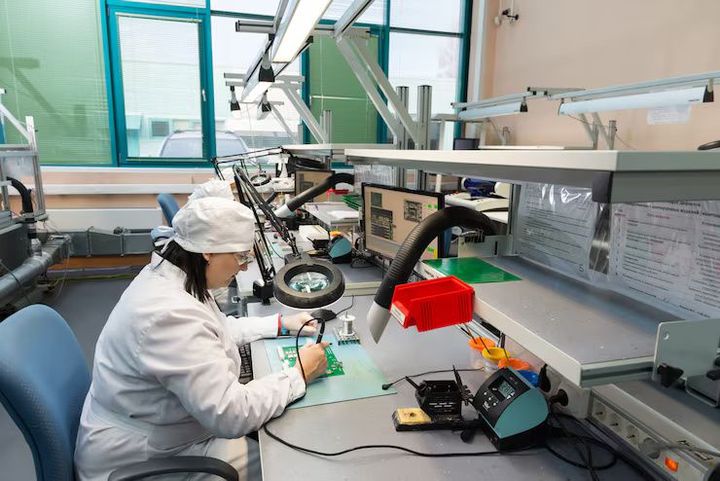
Soldering has existed for decades, but the growth of modern electronics, automation, robotics, and digital devices has increased the need for faster and more accurate production methods. Manual soldering is still used in some situations, but industrial soldering machines are now common in factories producing communication devices, automotive electronics, industrial controllers, medical equipment, and consumer electronics.
Modern soldering equipment includes automated soldering robots, wave soldering systems, reflow soldering equipment, laser soldering units, and selective soldering technologies. These systems are designed to improve production consistency and reduce assembly errors in high-volume manufacturing environments.
The development of smart factories and Industry 4.0 technologies has also influenced soldering automation. Manufacturers now integrate sensors, software monitoring, and data tracking into soldering processes to improve production quality and operational efficiency.
Why Industrial Soldering Machines Matter Today
Industrial soldering machines are important because electronic systems are becoming smaller, more powerful, and more complex. Accurate soldering helps electronic products perform safely and reliably across different industries.
Key Industries That Use Industrial Soldering
| Industry Sector | Common Applications |
|---|---|
| Automotive Electronics | Sensors, control units, battery systems |
| Telecommunications | Network hardware, communication modules |
| Medical Equipment | Monitoring devices, diagnostic systems |
| Consumer Electronics | Smartphones, appliances, wearable devices |
| Industrial Automation | Robotics, programmable controllers |
| Renewable Energy | Solar systems, energy monitoring equipment |
The increasing use of automation and smart technologies means manufacturers require highly precise soldering methods. Poor soldering connections can lead to equipment failure, reduced efficiency, and safety concerns. Automated soldering systems help reduce human error and maintain production consistency.
Another reason these machines are important is the growing demand for miniaturized electronic components. Modern circuit boards often contain densely packed microcomponents that require precise temperature control and accurate solder placement. Industrial soldering machines are designed to handle these advanced manufacturing requirements.
Benefits of Modern Soldering Technology
- Improved manufacturing consistency
- Better temperature control during assembly
- Reduced electronic component damage
- Increased production efficiency
- Enhanced product reliability
- Support for automated production lines
- Better monitoring and quality inspection
As smart manufacturing expands globally, industrial soldering systems continue to support faster production cycles and advanced electronic assembly processes.
Recent Trends and Developments in Industrial Soldering
The industrial soldering industry has experienced several changes during 2025 and early 2026. Manufacturers are focusing on automation, energy efficiency, environmental standards, and artificial intelligence integration.
Growth of Smart Soldering Systems
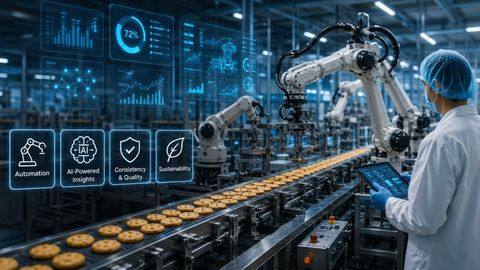
During 2025, many electronics manufacturers increased the use of AI-assisted inspection systems in soldering operations. These systems analyze solder joint quality in real time and help identify defects before products move further in the assembly process.
Machine learning tools are also being used to optimize heating profiles and improve soldering consistency. Smart sensors can now monitor temperature fluctuations, humidity levels, and solder flow performance automatically.
Expansion of Robotics Integration
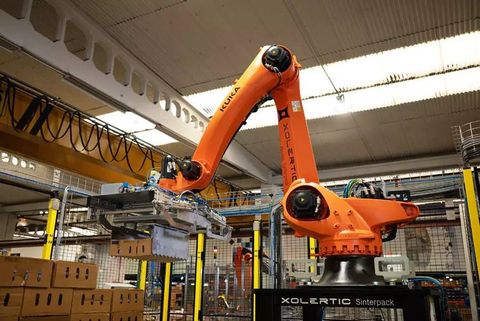
Robotic soldering solutions became more common in automotive electronics and industrial automation facilities during late 2025. Robotic systems help improve accuracy while reducing repetitive manual work in complex assembly environments.
Focus on Energy-Efficient Manufacturing
Energy efficiency became a major focus in electronics manufacturing during 2025. Modern soldering equipment now includes improved heating technologies, energy-saving standby modes, and optimized thermal management systems.
Lead-Free Soldering Advancements
Environmental regulations continue encouraging the use of lead-free solder materials. Recent developments in lead-free soldering technology have improved joint reliability and thermal performance for advanced electronic applications.
Growth of Miniature Electronics
The rise of wearable technology, compact sensors, and electric vehicle electronics has increased demand for micro-soldering capabilities. Manufacturers are developing systems capable of handling smaller and more delicate electronic components.
Industrial Automation Trend Overview
| Trend | Industry Impact |
|---|---|
| AI Inspection Systems | Improved quality control |
| Robotic Soldering | Better precision and consistency |
| Smart Factory Integration | Real-time production monitoring |
| Lead-Free Technologies | Environmental compliance |
| Miniature Component Assembly | Support for compact electronics |
| Predictive Maintenance | Reduced equipment downtime |
These developments show how industrial soldering technologies are evolving alongside automation and digital manufacturing systems.
Regulations and Policies Affecting Industrial Soldering
Industrial soldering machines are influenced by environmental, workplace safety, and electronics manufacturing regulations in many countries.
Environmental Compliance Standards
Many governments have introduced regulations limiting hazardous materials in electronics manufacturing. One important framework is the restriction of hazardous substances in electronic products, which encourages the reduction of lead and other harmful materials in soldering processes.
Lead-free soldering has therefore become increasingly common across global electronics manufacturing industries.
Workplace Safety Regulations
Industrial soldering processes involve heat, fumes, and electronic equipment, so workplace safety standards are important. Manufacturing facilities often follow industrial safety guidelines related to ventilation, protective equipment, and machine operation procedures.
These regulations help reduce exposure to soldering fumes and improve worker safety in electronics production environments.
Automation and Quality Standards
Industrial manufacturers also follow quality management standards for electronic assembly processes. Automated inspection and monitoring systems help companies maintain consistent production quality and comply with international manufacturing requirements.
Energy and Sustainability Policies
Many countries are encouraging energy-efficient manufacturing through industrial modernization programs. Electronics manufacturers are increasingly adopting energy-saving production systems to align with sustainability goals and environmental targets.
Government support for advanced manufacturing technologies has also encouraged greater use of automation and digital production systems in electronics assembly.
Helpful Tools and Learning Resources
Several tools and educational resources help engineers, technicians, and students understand industrial soldering systems and electronics manufacturing processes.
Common Industrial Soldering Tools
- Temperature monitoring systems
- Automated inspection software
- Thermal profile analyzers
- PCB design simulators
- Process control dashboards
- Robotics programming interfaces
- Electronic assembly training modules
Useful Learning Resources
| Resource Type | Purpose |
|---|---|
| Technical Documentation | Understanding machine operation |
| Safety Guidelines | Learning workplace protection practices |
| Electronics Assembly Courses | Improving manufacturing knowledge |
| Automation Training Materials | Understanding robotic systems |
| Thermal Analysis Tools | Monitoring soldering performance |
| Simulation Platforms | Testing production processes |
Educational institutions and technical training programs increasingly include automation and electronics assembly topics to support modern manufacturing industries.
Frequently Asked Questions
What is an industrial soldering machine?
An industrial soldering machine is automated equipment used to connect electronic components to circuit boards using controlled heat and solder materials. These systems are widely used in electronics manufacturing and industrial automation.
Why is automated soldering important in electronics manufacturing?
Automated soldering improves precision, consistency, and production speed. It also reduces human error and supports the assembly of complex electronic components used in modern devices.
What industries depend on industrial soldering systems?
Industries such as automotive electronics, telecommunications, healthcare technology, industrial automation, renewable energy, and consumer electronics rely heavily on soldering technologies.
What is lead-free soldering?
Lead-free soldering uses solder materials that do not contain lead. It supports environmental regulations and helps reduce hazardous substances in electronics manufacturing.
How do smart factories use soldering automation?
Smart factories integrate soldering systems with sensors, AI monitoring, robotics, and production analytics to improve manufacturing efficiency and product quality.
Conclusion
Industrial soldering machines have become an essential part of modern electronics manufacturing and automation systems. As industries continue adopting smart technologies, the need for accurate and reliable electronic assembly processes continues to grow.
These machines support high-precision manufacturing in sectors ranging from automotive systems to medical electronics and renewable energy technologies. Recent developments in robotics, AI inspection systems, and energy-efficient manufacturing have further improved the capabilities of modern soldering equipment.
Environmental regulations and workplace safety standards are also shaping the future of soldering technologies, encouraging cleaner and more sustainable manufacturing practices. At the same time, the growth of miniature electronics and smart production systems continues driving innovation in industrial soldering methods.