Industrial Machine Explore Modern Manufacturing Systems
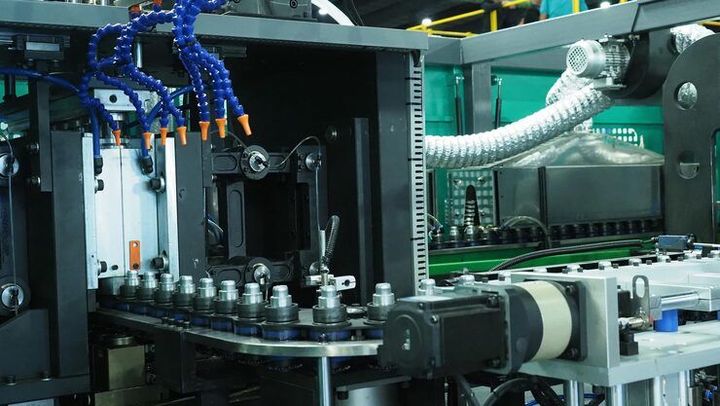
Industrial machines are specialized mechanical, electrical, or automated systems designed to perform manufacturing, processing, assembly, material handling, and production-related tasks. These machines are fundamental to modern industries because they improve efficiency, consistency, accuracy, and productivity.
From small workshops to large-scale manufacturing facilities, industrial machines support a wide range of operations. They help organizations produce goods faster, reduce manual labor requirements, maintain quality standards, and handle complex industrial processes.
Industrial machines are commonly found in sectors such as automotive manufacturing, food processing, pharmaceuticals, textiles, electronics, packaging, construction, mining, and energy production.
How Industrial Machines Work
Industrial machines operate by combining mechanical components, electrical systems, sensors, software controls, and power sources. Depending on their purpose, machines may perform simple repetitive tasks or highly complex automated operations.
A typical machine receives energy from electrical, hydraulic, pneumatic, or mechanical sources. This energy powers moving components that execute specific actions such as cutting, shaping, lifting, mixing, packaging, or assembling materials.
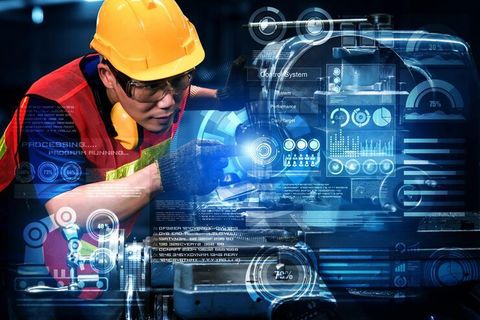
Modern industrial equipment increasingly relies on digital control systems. Programmable controllers, sensors, and monitoring platforms collect data and adjust operations in real time to maintain performance and accuracy.
| Component | Function |
|---|---|
| Motor | Provides mechanical movement and power |
| Control System | Manages machine operations and automation |
| Sensors | Detect conditions and collect operational data |
| Actuators | Convert signals into physical movement |
| Power Supply | Delivers electrical or mechanical energy |
| Safety Systems | Protect operators and equipment |
| Human-Machine Interface (HMI) | Allows monitoring and control |
Importance of Industrial Machines
Industrial machines play a critical role in economic development and industrial productivity. They enable organizations to manufacture products at scale while maintaining quality and operational consistency.
Their importance extends beyond production efficiency. Advanced machinery helps improve workplace safety, reduce material waste, optimize resource utilization, and support innovation across industries.
Organizations increasingly depend on industrial automation systems and manufacturing equipment to remain competitive in rapidly evolving markets.
Key Benefits
- Increased production capacity
- Improved product consistency
- Reduced operational errors
- Enhanced workplace safety
- Better resource utilization
- Faster production cycles
- Support for automated manufacturing
- Improved quality control processes
Major Types of Industrial Machines
Industrial machinery encompasses numerous categories designed for specific tasks and industries.
Manufacturing Machines
- CNC machining centers
- Milling machines
- Lathes
- Grinding machines
- Drilling machines
- Laser cutting systems
These machines shape, cut, and manufacture components with high precision.
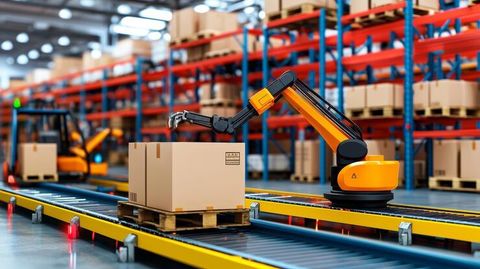
Material Handling Machines
- Conveyor systems
- Forklifts
- Cranes
- Automated guided vehicles
- Pallet handling systems
They transport materials efficiently within industrial environments.
Processing Machines
- Mixers
- Industrial agitators
- Compressors
- Extruders
- Crushers
- Separators
These machines process raw materials into usable products.
Packaging Machines
- Filling systems
- Labeling machines
- Wrapping equipment
- Sealing systems
- Cartoning machines
Packaging machinery supports efficient product preparation and distribution.
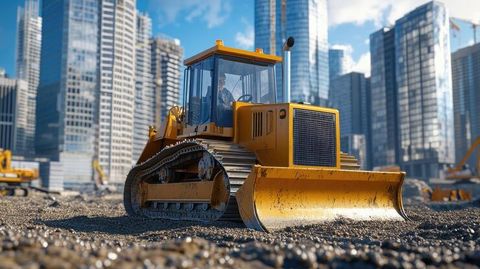
Construction and Heavy Equipment
- Excavators
- Bulldozers
- Loaders
- Concrete mixers
- Road construction machinery
Heavy-duty machines support infrastructure and construction projects.
Core Features of Modern Industrial Machines
Industrial technology has evolved significantly over the past decade. Modern equipment integrates advanced automation and digital monitoring capabilities.
Common Features
- Computerized controls
- Industrial automation software
- Real-time monitoring
- Remote diagnostics
- Predictive maintenance systems
- Energy-efficient operation
- Smart sensor integration
- Data analytics capabilities
- Industrial Internet of Things (IIoT) connectivity
These features improve machine performance while reducing downtime and maintenance requirements.
Real-World Applications
Industrial machines are essential across multiple sectors.
Automotive Manufacturing
- Engine component production
- Robotic welding
- Assembly line automation
- Precision machining
Food and Beverage Processing
- Mixing and blending
- Packaging operations
- Quality inspection
- Product sorting
Pharmaceutical Production
- Tablet manufacturing
- Sterile packaging
- Filling operations
- Inspection systems
Electronics Manufacturing
- Circuit board assembly
- Component placement
- Precision soldering
- Automated testing
Energy and Utilities
- Turbine maintenance
- Power generation systems
- Material processing
- Infrastructure operations
Problems Solved by Industrial Machines
Industrial machinery addresses many operational challenges faced by manufacturers and processors.
Common Challenges Addressed
- Production bottlenecks
- Labor-intensive operations
- Quality inconsistencies
- Material waste
- Safety risks
- Human error
- Equipment inefficiencies
- Limited production capacity
Automation and advanced manufacturing equipment help organizations achieve more predictable and reliable outcomes.
Industrial Automation and Smart Manufacturing
The combination of industrial machines and automation technologies has transformed manufacturing operations worldwide.
Smart manufacturing environments use connected machines that communicate through industrial networks. Sensors continuously gather performance data, allowing operators to monitor equipment health and optimize production processes.
Industrial automation solutions frequently include:
- Industrial robots
- Machine vision systems
- Automated inspection equipment
- Digital twins
- Edge computing platforms
- Manufacturing execution systems (MES)
These technologies support more efficient and data-driven production environments.
Recent Trends and Developments (2025–2026)
Industrial machinery continues to evolve rapidly due to advancements in digital technologies, artificial intelligence, and sustainability initiatives.
Key Developments
- Increased adoption of AI-powered predictive maintenance throughout 2025 and 2026
- Growth of Industrial Internet of Things (IIoT) deployments in manufacturing facilities
- Expansion of collaborative robots designed to work alongside human operators
- Greater integration of machine learning for process optimization
- Improved cybersecurity measures for connected industrial systems
- Rising use of digital twin technology for equipment simulation and performance analysis
- Enhanced energy-efficient machine designs supporting sustainability goals
- Wider implementation of cloud-based monitoring and analytics platforms
Many manufacturers have also accelerated investments in smart factory initiatives during 2025 and 2026 to improve operational visibility and production efficiency.
Regulations and Safety Requirements
Industrial machinery must comply with various safety standards and regulatory requirements to protect workers and ensure reliable operation.
Common Regulatory Areas
- Machine guarding requirements
- Workplace safety standards
- Electrical safety regulations
- Environmental compliance requirements
- Noise exposure controls
- Emergency shutdown procedures
- Equipment inspection protocols
Important Standards
- ISO 12100 for machine safety principles
- ISO 13849 for safety-related control systems
- IEC 60204-1 for electrical equipment safety
- Occupational workplace safety regulations established by national authorities
Organizations should regularly review applicable local regulations and industry standards to maintain compliance.
Useful Tools and Learning Resources
Professionals working with industrial machinery often rely on specialized software, platforms, and educational resources.
Industrial Software Tools
- Computer-Aided Design (CAD) software
- Computer-Aided Manufacturing (CAM) software
- Manufacturing Execution Systems (MES)
- Supervisory Control and Data Acquisition (SCADA) platforms
- Predictive maintenance platforms
- Asset management software
Learning Resources
- Engineering training institutes
- Technical certification programs
- Manufacturing technology associations
- Industrial automation courses
- Equipment manufacturer documentation
- Industry research publications
Continuous learning helps professionals stay informed about evolving machinery technologies and operational practices.
Maintenance Best Practices
Regular maintenance is essential for ensuring machine reliability and long-term performance.
Recommended Practices
- Conduct routine inspections
- Monitor vibration and temperature levels
- Lubricate moving components properly
- Replace worn parts proactively
- Maintain accurate maintenance records
- Train operators regularly
- Implement predictive maintenance strategies
- Perform periodic safety assessments
A structured maintenance program can significantly reduce unexpected downtime and extend equipment lifespan.
FAQs
What is an industrial machine?
An industrial machine is a mechanical, electrical, or automated system designed to perform manufacturing, processing, material handling, or production tasks within industrial environments.
How do industrial machines improve productivity?
They automate repetitive operations, increase production speed, improve accuracy, reduce errors, and maintain consistent product quality.
What industries use industrial machines?
Industrial machines are widely used in automotive, food processing, pharmaceuticals, electronics, textiles, construction, mining, energy, and packaging sectors.
What is predictive maintenance in industrial machinery?
Predictive maintenance uses sensors, analytics, and operational data to identify potential equipment issues before failures occur, helping reduce downtime and maintenance expenses.
What role does Industrial Internet of Things (IIoT) play in machinery?
IIoT enables machines to collect, share, and analyze operational data, improving monitoring, maintenance planning, efficiency, and decision-making.
Conclusion
Industrial machines are essential components of modern manufacturing and industrial operations. They support productivity, precision, safety, and scalability across numerous sectors. As automation, artificial intelligence, and Industrial Internet of Things technologies continue to advance throughout 2025 and 2026, industrial machinery is becoming increasingly intelligent, connected, and efficient.
Understanding machine types, components, applications, maintenance practices, and regulatory requirements helps organizations and professionals make informed decisions about industrial operations. With continued innovation in smart manufacturing and automation technologies, industrial machines will remain central to global production, infrastructure development, and technological progress.