Table of Contents

Packaging Machine Types: Understanding Packaging Solutions, Functions, and Operational Basics

Packaging Machine Types: Understanding Packaging Solutions, Functions, and Operational Basics

Packaging machines are industrial systems designed to prepare, fill, seal, wrap, label, inspect, and package products for storage, transportation, distribution, and presentation. These machines play an essential role in modern manufacturing by improving efficiency, consistency, product protection, and operational productivity.

The need for packaging solutions emerged as industries sought reliable methods for handling increasing production volumes while maintaining product quality and packaging standards. Today, packaging equipment is widely used across food processing, pharmaceuticals, consumer goods, electronics, cosmetics, agriculture, logistics, and industrial manufacturing.

High CPC keywords associated with this topic include industrial automation, manufacturing equipment, packaging technology, production efficiency, industrial machinery, smart manufacturing, supply chain solutions, quality control systems, automated packaging systems, and industrial process optimization.

As manufacturing operations continue embracing automation, packaging machines have become a critical component of modern production environments.

Why Packaging Machines Matter Today

Packaging serves several important functions beyond simply enclosing a product. It helps protect goods, improve transportation efficiency, support traceability, and maintain product integrity.

Packaging machines help organizations address challenges such as:

  • Production consistency
  • Product protection
  • Operational efficiency
  • Packaging accuracy
  • Labor optimization
  • Quality assurance

These systems affect manufacturers, production managers, packaging engineers, quality assurance teams, logistics providers, and supply chain professionals.

Increasing production demands and global distribution networks have further increased the importance of automated packaging technologies.

Main Types of Packaging Machines

Different packaging processes require specialized equipment.

Machine TypePrimary Function
Filling MachinesDispense products into containers
Sealing MachinesClose and secure packaging
Wrapping MachinesApply protective wrapping
Labeling MachinesAttach product information labels
Cartoning MachinesPlace products into cartons
Palletizing MachinesOrganize products for transport

Each machine type supports specific stages of the packaging process.

Filling Machines

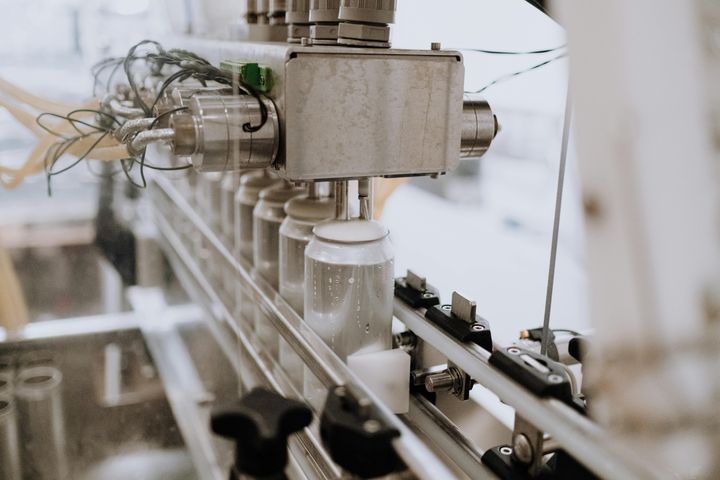
Filling machines are commonly used for liquids, powders, granules, and semi-solid materials.

Applications include:

  • Beverage production
  • Pharmaceutical packaging
  • Food manufacturing
  • Chemical processing

Common filling technologies include:

  • Gravity filling
  • Volumetric filling
  • Piston filling
  • Vacuum filling

The choice of filling method depends on product characteristics and packaging requirements.

Sealing Machines

Sealing equipment helps maintain product integrity and protection.

Common sealing methods include:

  • Heat sealing
  • Induction sealing
  • Vacuum sealing
  • Ultrasonic sealing

These machines are frequently used in food packaging, medical products, consumer goods, and industrial applications.

Wrapping Machines

Wrapping machines apply protective materials around products or groups of products.

Popular applications include:

  • Shrink wrapping
  • Stretch wrapping
  • Bundle packaging
  • Transportation protection

Wrapping helps improve product stability and handling during distribution.

Labeling Machines

Labeling systems support product identification and regulatory compliance.

Functions include:

  • Product information display
  • Barcode application
  • Batch identification
  • Tracking and traceability

Labeling has become increasingly important in modern supply chain management.

Cartoning and Case Packing Systems

Cartoning machines place products into cartons or boxes, while case packers organize products into larger shipping containers.

Benefits include:

  • Improved packaging speed
  • Enhanced consistency
  • Reduced manual handling
  • Better distribution efficiency

These systems are widely used in food, pharmaceutical, and consumer goods industries.

Advanced Packaging Technologies

Modern packaging systems increasingly utilize digital and automated technologies.

Key innovations include:

  • Robotics integration
  • Artificial intelligence
  • Machine vision inspection
  • Smart sensors
  • Predictive maintenance
  • Industrial Internet of Things (IIoT)

These technologies help improve productivity, quality control, and operational visibility.

Packaging Machine Categories and Applications

CategoryTypical Industry Use
Food Packaging MachinesFood processing
Pharmaceutical Packaging SystemsMedical products
Beverage Packaging EquipmentBottling operations
Consumer Goods PackagingRetail products
Industrial Packaging MachinesManufacturing sectors
Logistics Packaging SystemsDistribution centers

Different industries require specialized packaging solutions tailored to product characteristics and regulatory requirements.

Key Functions of Packaging Machines

Modern packaging systems perform several essential operational functions.

Common functions include:

  • Product containment
  • Product protection
  • Product identification
  • Tamper resistance
  • Traceability support
  • Distribution preparation

These functions contribute to supply chain efficiency and product quality management.

Automation in Packaging Operations

Automation has transformed packaging environments by reducing manual intervention and improving consistency.

Benefits of automation include:

  • Increased production speed
  • Improved accuracy
  • Enhanced quality control
  • Better operational monitoring
  • Reduced process variability
  • Greater production scalability

Automated systems are increasingly common in modern manufacturing facilities.

Industry Examples and Technology Developers

Several organizations contribute to packaging technology innovation and industrial automation development.

Examples include:

Industry organizations supporting packaging standards include:

  • International Organization for Standardization
  • Packaging Machinery Manufacturers Institute

These references are included solely for educational purposes.

Recent Trends and Updates (2025–2026)

Several developments have influenced the packaging industry over the past year.

Key trends include:

  • Increased robotics adoption
  • AI-assisted quality inspection
  • Sustainable packaging initiatives
  • Smart packaging technologies
  • Enhanced traceability systems
  • Growth of digital manufacturing integration
  • Predictive maintenance applications
  • Advanced machine vision systems

Manufacturers continue investing in technologies that improve efficiency, sustainability, and operational intelligence.

Packaging Process Overview

Process StageFunction
Product PreparationReady products for packaging
FillingPlace product into container
SealingSecure packaging
LabelingAdd identification information
InspectionVerify packaging quality
PalletizingPrepare for distribution

This workflow forms the foundation of many industrial packaging operations.

Laws and Policies Affecting Packaging Operations

Packaging systems often operate within regulatory and industry frameworks.

Important considerations include:

  • Food safety regulations
  • Pharmaceutical packaging standards
  • Environmental compliance requirements
  • Product labeling rules
  • Workplace safety standards
  • Quality management regulations

Organizations typically follow industry-specific requirements depending on the products being packaged.

Tools and Resources

Useful resources related to packaging technologies include:

  • Packaging design software
  • Manufacturing execution systems (MES)
  • Industrial monitoring platforms
  • Quality inspection systems
  • Packaging simulation tools
  • Supply chain management software
  • Automation control platforms
  • Predictive maintenance applications

These resources help improve packaging performance and operational efficiency.

Frequently Asked Questions

What is a packaging machine?

A packaging machine is industrial equipment used to fill, seal, wrap, label, inspect, or prepare products for storage, transportation, and distribution.

What are the main types of packaging machines?

Common types include filling machines, sealing machines, wrapping machines, labeling systems, cartoning machines, and palletizing equipment.

Why are packaging machines important?

They improve efficiency, packaging consistency, product protection, quality control, and operational productivity.
What industries use packaging machines?

Food processing, pharmaceuticals, beverages, cosmetics, consumer goods, electronics, logistics, and manufacturing industries commonly use packaging systems.

What are major packaging technology trends in 2026?

Artificial intelligence, robotics, machine vision, predictive maintenance, sustainable packaging solutions, and smart manufacturing integration are among the leading trends.

Conclusion

Packaging machines play a critical role in modern manufacturing and distribution operations. By automating packaging processes, improving consistency, and supporting product protection, these systems help organizations maintain efficient and reliable production workflows.

As automation, artificial intelligence, robotics, and smart manufacturing technologies continue advancing, packaging systems are becoming increasingly intelligent, connected, and adaptable. Understanding packaging machine types, operational functions, industry applications, and emerging innovations provides valuable insight into the future of industrial packaging and production efficiency.

Disclaimer

This article is intended solely for informational and educational purposes. It does not promote, advertise, recommend, or endorse any packaging machine manufacturer, supplier, distributor, or industrial equipment company. References to technologies, organizations, and machine categories are included only to explain packaging processes and industry developments. This content should not be considered engineering, operational, procurement, regulatory, or technical consulting advice

author-image

Ravi Shankar Maurya

We create purposeful content that speaks, resonates, and drives action.

June 03, 2026 . 12 min read