Jump to a Chapter

Metal Heat Treatment Guide: Equipment, Processes & Industrial Applications

Metal Heat Treatment Guide: Equipment, Processes & Industrial Applications

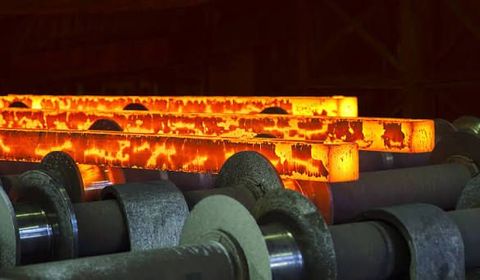
Metal heat treatment is a controlled manufacturing process used to modify the physical and mechanical properties of metals and alloys. By carefully managing heating, soaking, and cooling cycles, manufacturers can influence characteristics such as hardness, strength, toughness, ductility, wear resistance, and dimensional stability.

Heat treatment is used across automotive, aerospace, construction, tooling, energy, machinery, and general engineering applications. The appropriate process depends on the metal or alloy, component geometry, required properties, production environment, and desired microstructure.

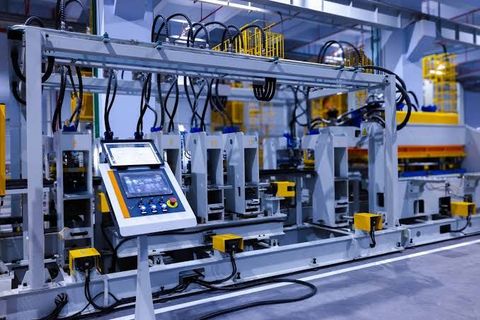
Modern heat treatment has evolved from conventional furnaces to highly automated systems incorporating sensors, computerized controls, controlled atmospheres, induction heating, vacuum technology, robotics, and data analytics.

This guide explains the fundamentals of metal heat treatment, major equipment types, common processes, cooling methods, industrial applications, quality control, automation, and emerging technologies.

What Is Metal Heat Treatment?

Metal heat treatment involves exposing a metal or alloy to a controlled sequence of temperatures and cooling conditions.

A typical thermal cycle consists of:

  • Heating
  • Soaking or holding
  • Cooling

The exact temperature, duration, heating rate, and cooling rate depend on the material and treatment objective.

The purpose is generally not to change the component's basic shape but to modify its internal structure and resulting properties.

Why Is Heat Treatment Important?

Different manufacturing processes can leave metals with properties that are unsuitable for their final application. Heat treatment can help adjust these characteristics.

Potential objectives include:

  • Increasing hardness
  • Improving toughness
  • Increasing strength
  • Reducing residual stresses
  • Improving ductility
  • Increasing wear resistance
  • Improving machinability
  • Refining grain structure
  • Improving dimensional stability

The correct treatment must be selected according to the specific material and engineering requirements.

Metal Heat Treatment Equipment

Heat treatment equipment provides the controlled thermal environment required for processing metals.

Common equipment includes:

  • Box furnaces
  • Continuous furnaces
  • Vacuum furnaces
  • Induction heating systems
  • Bell furnaces
  • Controlled-atmosphere furnaces
  • Salt bath systems
  • Quenching tanks
  • Cooling systems
  • Automated loading systems

Each equipment category has different capabilities and applications.

Box Furnaces

Box furnaces are enclosed chamber systems used primarily for batch processing.

They can be used for:

  • Steel components
  • Tools
  • Small production batches
  • Laboratory work
  • General thermal processing

Their flexible chamber design makes them suitable for a variety of component shapes and treatment cycles.

Continuous Furnaces

Continuous furnaces move components through multiple thermal zones.

A typical system may contain:

  1. Preheating
  2. Heating
  3. Soaking
  4. Cooling
  5. Unloading

These systems are particularly useful for higher-volume manufacturing where repeatable processing is required.

Vacuum Furnaces

Vacuum furnaces process components in a low-pressure environment.

Potential advantages include:

  • Reduced oxidation
  • Reduced surface contamination
  • Controlled thermal processing
  • Cleaner component surfaces
  • Precise atmosphere management

Vacuum systems are commonly associated with applications involving tools, aerospace components, precision parts, and specialty alloys.

Induction Heating Equipment

Induction heating uses electromagnetic energy to heat electrically conductive materials.

Unlike conventional furnaces, induction systems can heat specific areas of a component rapidly.

Potential advantages include:

  • Rapid heating
  • Localized treatment
  • Repeatable processing
  • Automation compatibility
  • Reduced heating of surrounding areas

Induction technology is commonly used for surface hardening of selected components.

Controlled-Atmosphere Furnaces

The atmosphere surrounding a metal during heating can affect its surface.

Controlled-atmosphere systems can use gases such as:

  • Nitrogen
  • Argon
  • Hydrogen
  • Carbon-containing gases
  • Specialized gas mixtures

Atmosphere control can help reduce unwanted oxidation and manage surface reactions.

Common Metal Heat Treatment Processes

Different thermal processes produce different results.

Annealing

Annealing generally involves heating a metal to a specified temperature and then cooling it under controlled conditions.

It can be used to:

  • Reduce hardness
  • Improve ductility
  • Relieve internal stresses
  • Improve machinability
  • Modify microstructure

Different forms of annealing are used for different materials and objectives.

Normalizing

Normalizing is primarily associated with steel and involves heating above a relevant critical temperature followed by cooling, commonly in air.

It can help:

  • Refine grain structure
  • Improve structural uniformity
  • Adjust mechanical properties
  • Prepare steel for additional processing

Hardening

Hardening involves heating a suitable material followed by relatively rapid cooling.

The objective is typically to increase hardness and strength.

The cooling method has a major influence on the resulting microstructure.

Tempering

Tempering is generally performed after hardening.

The hardened material is reheated to a controlled temperature and held for a defined period.

It can reduce brittleness and provide a more balanced combination of hardness and toughness.

Stress Relieving

Stress-relief treatment is used to reduce residual stresses introduced by manufacturing processes.

Potential sources of residual stress include:

  • Welding
  • Machining
  • Casting
  • Forging
  • Forming
  • Fabrication

Controlled heating and cooling can improve dimensional stability.

Surface Heat Treatment

Some applications require the surface to have different properties from the interior of a component.

Surface treatments can provide a hard or wear-resistant outer region while maintaining a comparatively tougher core.

Common techniques include:

  • Induction hardening
  • Flame hardening
  • Carburizing
  • Nitriding
  • Carbonitriding

These processes are frequently used for components exposed to friction, contact stresses, or repeated loading.

Carburizing

Carburizing introduces carbon into the surface of suitable steels at elevated temperatures.

The process can produce:

  • Harder surface
  • Wear resistance
  • Improved contact fatigue performance
  • Tougher interior

Components such as gears, shafts, pins, and other mechanical parts may use carburized surfaces.

Nitriding

Nitriding introduces nitrogen into the surface of certain metals.

It can increase:

  • Surface hardness
  • Wear resistance
  • Fatigue resistance
  • Surface durability

Nitriding can also produce relatively limited dimensional distortion compared with some other hardening processes.

Quenching

Quenching rapidly cools a heated metal to achieve a desired transformation.

Possible quenching media include:

  • Water
  • Oil
  • Polymer solutions
  • Air
  • Gas

The choice of medium affects cooling speed and therefore influences the final material structure.

Quenching systems can include:

  • Tanks
  • Pumps
  • Agitation equipment
  • Temperature sensors
  • Filtration systems
  • Cooling equipment

Tempering and Quenching Relationship

Hardening and tempering are often closely connected.

A simplified sequence is:

Heating → Soaking → Quenching → Tempering

Quenching can produce high hardness but may also increase brittleness or residual stresses. Tempering can modify the resulting structure to achieve a more practical balance between hardness and toughness.

The exact cycle depends on the material and required properties.

Heat Treatment of Different Metals

Heat treatment behavior varies significantly between metals and alloys.

Carbon Steel

Steel is extensively heat-treated because its microstructure can be modified through controlled thermal cycles.

Common treatments include:

  • Annealing
  • Normalizing
  • Hardening
  • Tempering
  • Carburizing

Stainless Steel

Different stainless steel families require different thermal approaches.

Treatment may involve:

  • Solution treatment
  • Stress relieving
  • Stabilization
  • Controlled cooling

The correct process depends on the stainless steel grade.

Aluminum Alloys

Heat-treatable aluminum alloys can undergo processes such as:

  • Solution heat treatment
  • Quenching
  • Aging

These processes can modify strength and other mechanical properties.

Tool Steels

Tool steels frequently require carefully controlled hardening and tempering cycles to achieve suitable combinations of hardness, toughness, and dimensional stability.

Nickel-Based Alloys

Nickel-based alloys can require specialized thermal processing depending on their composition and application.

Temperature Control

Precise temperature control is fundamental to heat treatment.

Modern systems may use:

  • Thermocouples
  • Infrared sensors
  • Temperature controllers
  • Programmable logic controllers
  • Data acquisition systems
  • Automated control software

Accurate monitoring helps maintain consistent heating and holding conditions.

Heating Rate and Cooling Rate

Temperature alone does not determine the final result.

Other important parameters include:

  • Heating rate
  • Holding time
  • Cooling rate
  • Component geometry
  • Material composition
  • Furnace atmosphere
  • Load arrangement

Two components exposed to the same maximum temperature can experience different outcomes if their heating or cooling conditions differ.

Quality Control

Quality control helps verify whether the heat treatment process produced the required material characteristics.

Common evaluation methods include:

  • Hardness testing
  • Microstructure analysis
  • Dimensional inspection
  • Metallographic examination
  • Surface inspection
  • Non-destructive testing

Process records can also help establish traceability.

Hardness Testing

Hardness testing is one of the most common ways to evaluate heat-treated metals.

Common methods include:

  • Rockwell
  • Brinell
  • Vickers
  • Knoop

The appropriate method depends on the material, component geometry, and testing requirements.

Metallurgical Analysis

Metallographic analysis allows technicians and engineers to examine the internal structure of a metal.

It can help identify:

  • Grain structure
  • Phase distribution
  • Surface layers
  • Transformation characteristics
  • Potential defects

Microscopic examination can provide information that cannot be obtained from hardness testing alone.

Dimensional Stability

Heat treatment can cause dimensional changes because of thermal expansion, phase transformations, residual stresses, and material-specific behavior.

For precision components, manufacturers may therefore monitor:

  • Length
  • Diameter
  • Flatness
  • Roundness
  • Surface geometry

Process optimization can help minimize unwanted distortion.

Industrial Applications

Heat-treated metals are used across numerous industries.

Automotive

Applications can include:

  • Gears
  • Shafts
  • Bearings
  • Axles
  • Transmission components
  • Engine components

Aerospace

Heat treatment can be used for selected:

  • Structural components
  • Engine components
  • Fasteners
  • Landing gear components
  • Precision parts

Tool Manufacturing

Heat treatment is important for:

  • Cutting tools
  • Dies
  • Molds
  • Punches
  • Tooling components

Heavy Equipment

Construction and industrial machinery can use heat-treated components where wear resistance and mechanical strength are important.

Energy

Selected components in power-generation and energy systems may require carefully controlled thermal processing.

General Engineering

Heat treatment is also widely used for:

  • Fasteners
  • Springs
  • Pins
  • Bushings
  • Gears
  • Machine components

Automation in Heat Treatment

Automation can improve process repeatability and reduce manual handling.

Automated systems can control:

  • Loading
  • Furnace movement
  • Temperature cycles
  • Soaking times
  • Atmosphere conditions
  • Quenching
  • Cooling
  • Data collection

Robotic handling can also move components between different stages of production.

Digital Process Monitoring

Modern heat treatment systems can collect large amounts of process data.

Typical information includes:

  • Furnace temperature
  • Component temperature
  • Heating rate
  • Cooling rate
  • Process duration
  • Atmosphere composition
  • Pressure
  • Equipment status

This information can be used for process analysis, quality monitoring, and traceability.

Industry 4.0 Heat Treatment

Connected manufacturing technologies are transforming thermal processing.

Industry 4.0 heat treatment systems can combine:

  • Industrial sensors
  • Automation
  • Cloud-connected monitoring
  • Data analytics
  • Machine learning
  • Digital process records
  • Predictive maintenance

These technologies can provide greater visibility into equipment and production conditions.

Artificial Intelligence in Heat Treatment

AI can analyze historical and real-time process information to identify patterns.

Potential applications include:

  • Anomaly detection
  • Predictive maintenance
  • Quality prediction
  • Process optimization
  • Energy management
  • Parameter analysis
  • Equipment monitoring

AI can complement engineering processes but does not replace material-specific validation or qualified technical oversight.

Energy Efficiency

Heat treatment can require significant thermal energy, making energy efficiency an important manufacturing consideration.

Potential approaches include:

  • Improved furnace insulation
  • Heat recovery
  • Efficient heating systems
  • Optimized thermal cycles
  • Automated temperature control
  • Furnace sealing
  • Energy monitoring

Efficient thermal management can help reduce unnecessary energy consumption.

Safety Considerations

Heat treatment equipment can involve extremely high temperatures, electrical systems, combustion, gases, pressure, vacuum systems, and moving machinery.

Safety measures may include:

  • Thermal protection
  • Equipment guarding
  • Emergency shutdown systems
  • Gas monitoring
  • Ventilation
  • Temperature alarms
  • Pressure monitoring
  • Operator training
  • Preventive maintenance

Manufacturers should follow applicable workplace requirements and equipment-specific safety instructions.

Choosing Heat Treatment Equipment

Equipment selection depends on several technical factors.

Material Type

Different metals and alloys require different thermal cycles.

Component Dimensions

Large components may require larger furnaces or specialized systems.

Production Volume

Batch equipment can be appropriate for smaller production quantities, while continuous systems may suit higher-volume operations.

Temperature Requirements

The equipment must provide an appropriate temperature range and thermal uniformity.

Atmosphere Requirements

Certain applications may require vacuum or controlled-atmosphere processing.

Cooling Requirements

The cooling system must provide an appropriate and repeatable cooling environment.

Automation Requirements

High-volume production may benefit from automated loading, unloading, monitoring, and process documentation.

Emerging Heat Treatment Technologies

The future of metal heat treatment is increasingly connected to automation and intelligent manufacturing.

Emerging developments include:

  • AI-assisted process monitoring
  • Digital twins
  • Advanced temperature sensors
  • Automated material handling
  • Predictive maintenance
  • Real-time quality monitoring
  • Smart furnace controls
  • Energy optimization
  • Advanced atmosphere management
  • Digital traceability

These technologies are helping move heat treatment toward more connected and data-driven manufacturing environments.

Frequently Asked Questions

What is metal heat treatment?

Metal heat treatment is a controlled process involving heating, holding, and cooling metals or alloys to modify properties such as hardness, strength, toughness, ductility, or wear resistance.

What are the main heat treatment processes?

Common processes include annealing, normalizing, hardening, tempering, stress relieving, carburizing, nitriding, and solution heat treatment.

What equipment is used for metal heat treatment?

Common equipment includes box furnaces, continuous furnaces, vacuum furnaces, induction heating systems, controlled-atmosphere furnaces, quenching systems, and automated handling equipment.

Why is quenching used?

Quenching rapidly cools heated metal to produce specific microstructural changes. The cooling medium and rate influence the resulting material properties.

How does automation improve heat treatment?

Automation can provide more consistent temperature cycles, processing times, atmosphere control, material handling, cooling, and process data collection.

Which industries use heat-treated metals?

Automotive, aerospace, tooling, heavy machinery, energy, construction, and general engineering industries all use heat-treated metal components in different applications.

Conclusion

Metal heat treatment is a fundamental technology in modern manufacturing because controlled thermal processing can significantly influence the performance of metals and alloys. Equipment such as box furnaces, continuous furnaces, vacuum systems, induction heaters, controlled-atmosphere furnaces, and quenching systems supports a wide range of industrial processes.

From annealing and normalizing to hardening, tempering, carburizing, and nitriding, each process serves a different material and performance objective. Temperature control, atmosphere management, cooling conditions, quality testing, and dimensional monitoring are essential for achieving consistent results.

The industry is also moving toward smarter and more connected heat treatment through automation, sensors, data analytics, artificial intelligence, and Industry 4.0 technologies. These developments are creating increasingly precise, traceable, and energy-conscious approaches to metal manufacturing.

Disclaimer

This article is intended solely for informational and educational purposes. It does not provide engineering, manufacturing, workplace safety, regulatory, or professional technical advice. It does not endorse, recommend, compare, rank, review, market, or promote any heat treatment equipment manufacturer, furnace supplier, industrial technology provider, or specific product. Heat treatment parameters, equipment specifications, material behavior, safety requirements, and applicable standards vary according to the material, component, process, facility, and jurisdiction. Technical decisions should be made by appropriately qualified professionals using applicable standards and manufacturer documentation.

author-image

Ravi Shankar Maurya

We create purposeful content that speaks, resonates, and drives action.

August 11, 2026 . 8 min read