Advanced Printing Machinery Suggestions for Better Print Quality
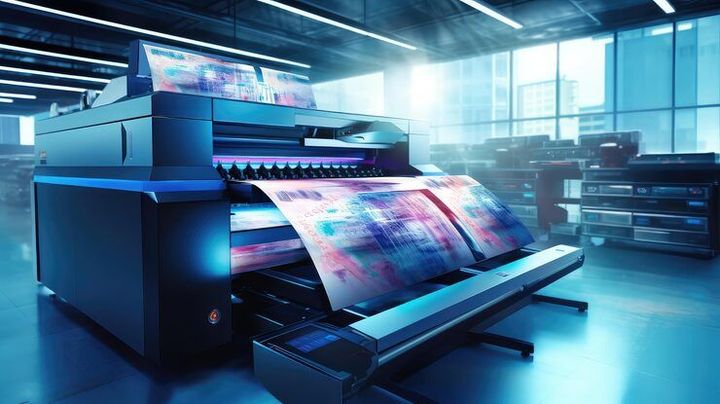
Advanced printing machinery refers to modern equipment designed to improve printing accuracy, consistency, and production efficiency. These systems are used across packaging, publishing, textile, manufacturing, and labeling industries. Common examples include the Digital Printing Machine, Offset Printing Machine, UV Printing Machine, and 3D Printing Machinery.
Over the last decade, printing technology has changed significantly due to automation, software integration, and precision engineering. Businesses now rely on Industrial Printing Machinery to produce detailed graphics, durable labels, and customized materials with fewer manual adjustments.
A label printer is another important part of modern printing operations. It helps industries create product labels, barcode tags, and packaging identifiers for logistics and retail purposes. Many modern label printing systems now support digital workflows and variable data printing.
Types of Advanced Printing Machinery
Different industries use different types of printing systems depending on their materials and production goals.
- Digital Printing Machine for short-run and customized printing
- Offset Printing Machine for high-volume commercial printing
- UV Printing Machine for printing on plastic, glass, wood, and metal
- 3D Printing Machinery for layered object creation and prototyping
- Label printer systems for packaging and inventory applications
Common Industries Using Printing Machinery
Modern printing technology is widely used in several sectors.
| Industry | Common Printing Use |
|---|---|
| Packaging | Product boxes and labels |
| Publishing | Books, magazines, brochures |
| Textile | Fabric printing and patterns |
| Manufacturing | Product marking and coding |
| Healthcare | Medical packaging and labels |
Importance
Printing machinery plays an important role in product communication, branding, and industrial operations. High-quality printing helps improve readability, consistency, and material presentation.
Industrial Printing Machinery supports faster production while reducing material waste. Modern systems also improve color accuracy and alignment, which is important for packaging and commercial print materials.
Digital systems allow operators to manage print settings more efficiently. A Digital Printing Machine can quickly switch between designs without changing plates, making it useful for personalized printing tasks.
An Offset Printing Machine remains valuable for large-volume printing because it produces consistent results across thousands of copies. In contrast, a UV Printing Machine is preferred for printing on non-traditional surfaces such as acrylic, metal, and ceramic materials.
3D Printing Machinery has expanded beyond prototyping and is now used in engineering, education, healthcare, and product development. It allows manufacturers to create complex shapes with precision and reduced material usage.
Recent Updates
From 2024 to 2026, the printing machinery sector has continued to evolve with automation, sustainability improvements, and artificial intelligence integration.
One major trend is the increasing use of smart monitoring systems. Many Industrial Printing Machinery systems now include sensors that detect alignment issues, ink levels, and maintenance requirements in real time.
Another development is the growth of environmentally conscious printing practices. Manufacturers are adopting energy-efficient equipment and water-based inks to reduce environmental impact.
Automation and AI Integration
Artificial intelligence is improving print management and workflow analysis. Some modern Digital Printing Machine systems can automatically adjust print settings based on material type and print quality requirements.
Automated calibration systems also help reduce setup errors and improve production consistency. These technologies are especially useful in high-volume packaging environments.
Expansion of 3D Printing Technology
3D Printing Machinery has seen wider adoption in automotive, medical, and educational sectors between 2024 and 2026. Improved printing materials and faster production speeds have made 3D systems more practical for industrial use.
Several manufacturers are also exploring hybrid systems that combine traditional printing with additive manufacturing technologies.
Laws or Policies
Printing operations are affected by environmental, workplace safety, and product labeling regulations. Rules vary depending on the country and industry.
Environmental policies often focus on chemical handling, emissions, and waste disposal. UV Printing Machine operations may require additional precautions because ultraviolet curing systems involve specialized inks and equipment.
Packaging and label regulations also affect the use of label printer systems. Industries such as food, pharmaceuticals, and chemicals must follow strict labeling standards for safety and product information.
Some governments have introduced policies encouraging energy-efficient Industrial Printing Machinery and sustainable production methods. These policies may include efficiency standards and waste reduction targets.
Workplace safety regulations also apply to printing environments. Operators must follow guidelines related to ventilation, machine guarding, and material handling procedures.
Tools and Resources
Several digital tools and platforms help businesses manage print operations and improve production planning.
Useful tools include:
- Color calibration software for print accuracy
- File preparation platforms for design compatibility
- Maintenance tracking systems for machinery monitoring
- Print estimation calculators for material planning
- Workflow automation software for production scheduling
Many modern Digital Printing Machine systems also include cloud-based monitoring features. These systems allow operators to track machine performance and production statistics remotely.
Educational resources from industry associations and technical organizations can help users understand printing standards, material compatibility, and machine maintenance practices.
FAQs
What is the difference between a Digital Printing Machine and an Offset Printing Machine?
A Digital Printing Machine prints directly from digital files and works well for short-run projects. An Offset Printing Machine uses printing plates and is commonly used for large-volume production.
Why is a UV Printing Machine used for industrial applications?
A UV Printing Machine can print on surfaces such as glass, metal, plastic, and wood. UV curing technology also helps ink dry quickly and improves durability.
What industries commonly use 3D Printing Machinery?
3D Printing Machinery is used in healthcare, engineering, automotive production, education, and product prototyping.
How does a label printer improve packaging operations?
A label printer helps create accurate product labels, barcode stickers, shipping tags, and inventory identifiers for organized packaging systems.
What factors affect print quality in Industrial Printing Machinery?
Important factors include machine calibration, ink quality, material compatibility, maintenance routines, and environmental conditions.
Conclusion
Advanced printing machinery continues to shape modern manufacturing, packaging, publishing, and industrial operations. Technologies such as the Digital Printing Machine, Offset Printing Machine, UV Printing Machine, and 3D Printing Machinery support improved efficiency and print accuracy.
Recent developments between 2024 and 2026 show increased use of automation, sustainability practices, and smart monitoring systems. Industries also continue to rely on label printer solutions for packaging and identification tasks.
As printing technology evolves, businesses and operators must stay informed about regulations, maintenance practices, and equipment capabilities. Understanding these systems helps improve production quality and operational consistency.