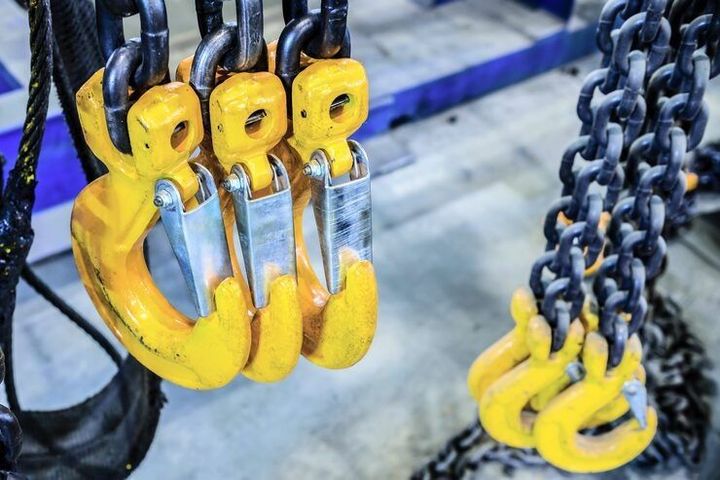
Industrial Lifting Equipment Guide: Material Handling Systems & Heavy-Duty Applications
Industrial lifting equipment includes machines and mechanical systems used to lift, move, position, and transport heavy materials within industrial environments. These systems are commonly used in manufacturing plants, warehouses, construction sites, shipping yards, mining operations, and logistics facilities. Industrial lifting equipment helps industries manage heavy loads safely and efficiently during production and transportation processes.
The development of material handling systems increased alongside industrial growth and large-scale manufacturing activities. Early lifting methods relied on manual labor and basic pulley systems, while modern heavy-duty applications now use hydraulic systems, electric motors, computerized controls, and automated lifting technologies. Today, industrial lifting equipment is designed to handle different load capacities, operating conditions, and workplace requirements.
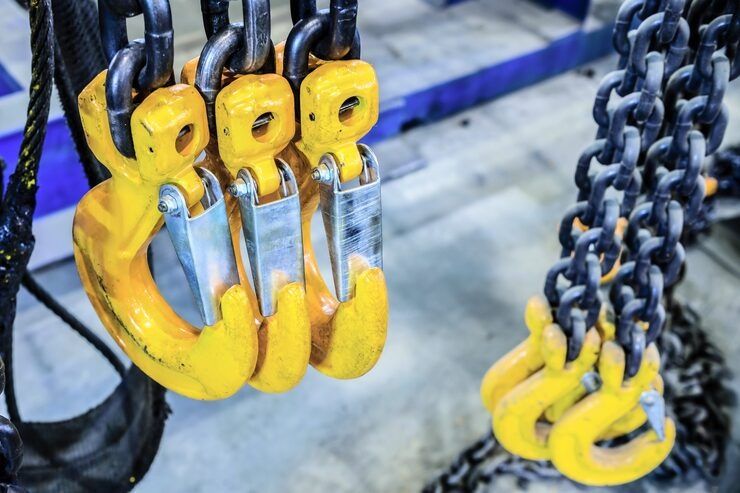
Common types of industrial lifting equipment include cranes, forklifts, hoists, conveyor systems, lifting platforms, winches, and automated material handling machines. These systems are often integrated into industrial operations where continuous movement of raw materials, equipment, and finished products is necessary.
Importance
Industrial lifting equipment plays an important role in modern production, warehousing, and infrastructure development. Heavy-duty lifting systems help industries manage large materials that would otherwise be difficult or unsafe to move manually.
Support for Material Handling Operations
Material handling systems help transport raw materials, machinery components, and packaged products between different work areas. These systems improve workflow organization and reduce delays in industrial processes.
Industries commonly using industrial lifting equipment include:
| Industry | Equipment Application | Purpose |
|---|---|---|
| Manufacturing | Crane systems | Moving heavy machine parts |
| Warehousing | Forklifts and conveyors | Inventory handling |
| Construction | Tower cranes | Structural material lifting |
| Mining | Hoists and winches | Equipment transportation |
| Shipping and Logistics | Container lifting systems | Cargo movement |
These systems support continuous industrial operations and organized material flow.
Workplace Safety and Load Management
Heavy-duty applications often involve moving large or hazardous materials. Industrial lifting equipment reduces direct manual handling and helps lower physical strain during lifting operations.
Safety-related functions may include:
- Load stabilization systems
- Emergency stop controls
- Overload protection sensors
- Automated braking mechanisms
Proper lifting procedures and equipment maintenance are important for industrial safety management.
Productivity in Industrial Environments
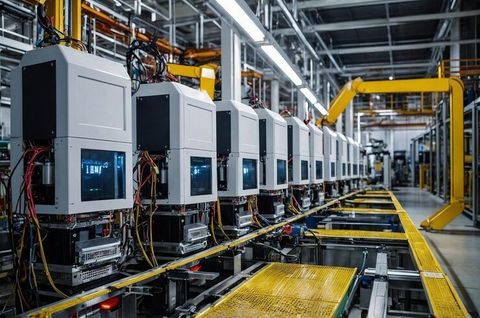
Automated and mechanical lifting systems improve operational efficiency by reducing the time required to move materials across industrial facilities. Many factories use lifting equipment as part of larger production and assembly systems.
Examples include:
- Conveyor systems transporting production materials
- Robotic lifting arms in assembly lines
- Automated storage and retrieval systems
- Hydraulic lifting platforms in maintenance operations
These systems support organized and continuous industrial workflows.
Types of Industrial Lifting Equipment
Different types of industrial lifting equipment are designed for specific operational conditions and load requirements.
Cranes
Cranes are widely used for lifting and transporting heavy materials vertically and horizontally. Industrial crane systems may operate indoors or outdoors depending on facility requirements.
Common crane categories include:
- Overhead cranes
- Gantry cranes
- Tower cranes
- Mobile cranes
Cranes are frequently used in manufacturing plants, construction sites, and shipping terminals.
Forklifts
Forklifts are industrial vehicles designed for lifting and transporting palletized materials over short distances. Warehouses and logistics facilities commonly use forklifts for loading and unloading operations.
Forklift systems may use:
- Electric power
- Diesel engines
- LPG fuel systems
Different forklift models are designed for indoor and outdoor applications.
Hoists and Winches
Hoists and winches use cables, chains, or ropes to lift heavy objects. These systems are commonly used in industrial maintenance, mining operations, and construction projects.
Applications include:
- Equipment installation
- Vertical lifting operations
- Material positioning tasks
Conveyor Systems
Conveyor systems move products and materials continuously through industrial facilities. These systems reduce manual transportation within warehouses and manufacturing environments.
Common conveyor types include:
- Belt conveyors
- Roller conveyors
- Chain conveyors
- Automated sorting conveyors
Hydraulic Lifting Platforms
Hydraulic lifting platforms use pressurized fluid systems to raise and lower equipment or workers safely. These platforms are often used in maintenance operations and warehouse environments.
Material Handling Systems
Material handling systems combine lifting equipment, transport systems, and automated controls to manage industrial workflows more efficiently.
Automated Storage Systems
Warehouses increasingly use automated storage and retrieval systems connected to conveyor equipment and robotic lifting systems. These technologies help organize inventory movement and reduce manual handling.
Features may include:
- Barcode tracking systems
- Robotic retrieval units
- Automated shelving systems
- Inventory management integration
Smart Monitoring Technology
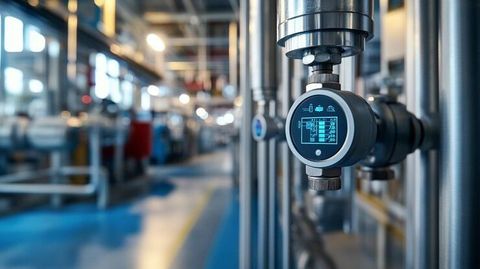
Modern material handling systems often include digital monitoring and tracking technologies.
Monitoring functions may involve:
- Equipment performance tracking
- Maintenance scheduling
- Load monitoring
- Real-time location tracking
These systems support operational planning and equipment management.
Robotics in Material Handling
Industrial robots are increasingly used in heavy-duty applications involving repetitive lifting and sorting operations.
Robotic applications include:
- Pallet stacking
- Automated loading systems
- Production line material transfer
- Warehouse sorting operations
Automation trends continue influencing industrial lifting and logistics operations.
Heavy-Duty Applications
Industrial lifting equipment is used in environments requiring the movement of extremely heavy materials or equipment under demanding conditions.
Construction and Infrastructure Projects
Construction industries use lifting equipment for transporting steel structures, concrete materials, and heavy machinery.
Typical applications include:
- High-rise construction
- Bridge assembly
- Road infrastructure projects
- Industrial plant construction
Tower cranes and mobile cranes are common in large infrastructure operations.
Mining and Resource Extraction
Mining operations use heavy-duty lifting systems for transporting ore, equipment, and underground materials.
Equipment used may include:
- Mine hoists
- Hydraulic lifting systems
- Conveyor transport networks
- Heavy-load cranes
These systems operate in challenging industrial environments.
Shipping and Port Operations
Shipping terminals use industrial lifting equipment for cargo handling and container transportation.
Port equipment may include:
- Container cranes
- Automated stacking systems
- Cargo conveyors
- Ship loading systems
These applications support global trade and logistics networks.
Manufacturing and Assembly Plants
Factories use lifting systems to position machinery, move components, and support production line operations.
Examples include:
- Automotive assembly plants
- Steel manufacturing facilities
- Heavy machinery production
- Aerospace manufacturing environments
Recent Updates
Between 2024 and 2026, industrial lifting equipment and material handling systems continued evolving through automation, digital monitoring, and energy-focused technologies.
Growth of Smart Lifting Systems
Manufacturers increasingly integrate sensors and digital controls into lifting equipment.
Recent developments include:
- Real-time load monitoring
- Predictive maintenance systems
- Remote equipment diagnostics
- Automated safety alerts
These systems help improve operational tracking and equipment management.
Expansion of Electric Equipment
Many industrial facilities are adopting electric-powered lifting systems to reduce emissions and improve indoor operational conditions.
Examples include:
- Electric forklifts
- Battery-powered lifting platforms
- Energy-efficient crane systems
Robotics and Warehouse Automation
Warehousing and logistics operations continue expanding the use of robotic material handling systems and automated transport equipment.
Applications include:
- Autonomous guided vehicles
- Robotic palletizing systems
- Automated warehouse sorting
Focus on Workplace Safety
Industrial safety regulations continue influencing lifting equipment design and inspection procedures. Equipment manufacturers increasingly develop systems with improved operator assistance and automated safety controls.
Laws or Policies
Industrial lifting equipment is regulated through workplace safety standards, engineering requirements, and operational inspection rules.
Workplace Safety Regulations
Factories and construction sites must generally follow lifting safety requirements related to:
- Load capacity limits
- Equipment inspections
- Operator training
- Emergency controls
- Protective barriers
Safety inspections help reduce risks during heavy lifting operations.
Equipment Certification Standards
Industrial lifting equipment may require certification related to:
- Structural strength
- Electrical safety
- Hydraulic system performance
- Load testing procedures
Compliance standards vary depending on equipment type and industrial application.
Environmental and Energy Policies
Environmental regulations increasingly influence the use of energy-efficient lifting systems and industrial equipment emissions management.
Tools and Resources
Several technical tools and digital platforms support industrial lifting equipment operation and maintenance.
Load Calculation Software
Engineering software helps operators calculate lifting capacities and load distribution requirements for heavy-duty applications.
Equipment Monitoring Platforms
Digital monitoring systems track equipment usage, maintenance schedules, and operational performance.
Functions may include:
- Load tracking
- Equipment diagnostics
- Inspection records
- Maintenance planning
CAD and Simulation Tools
Industrial engineers use design software to develop lifting systems and simulate material handling operations before equipment installation.
FAQs
What is industrial lifting equipment used for?
Industrial lifting equipment is used to lift, transport, position, and handle heavy materials in manufacturing plants, warehouses, construction sites, and logistics facilities.
Which industries use material handling systems the most?
Industries commonly using material handling systems include manufacturing, warehousing, mining, construction, shipping, and logistics operations.
What are common types of heavy-duty lifting equipment?
Common heavy-duty lifting equipment includes cranes, forklifts, hoists, conveyor systems, hydraulic platforms, and automated material handling machines.
How do automated material handling systems work?
Automated material handling systems use conveyors, robotics, sensors, and digital controls to move and organize materials with reduced manual handling.
Why are industrial lifting equipment inspections important?
Inspections help identify wear, mechanical problems, and safety risks that could affect lifting performance and workplace safety.
Conclusion
Industrial lifting equipment and material handling systems are important parts of modern manufacturing, warehousing, construction, and logistics operations. These systems help industries move heavy materials safely and maintain organized production workflows. Different lifting technologies are designed for specific heavy-duty applications, including industrial manufacturing, mining, shipping, and infrastructure development. Recent developments in automation, smart monitoring, and electric-powered equipment continue shaping industrial lifting operations. Safety regulations and engineering standards also influence how lifting systems are designed, inspected, and operated.