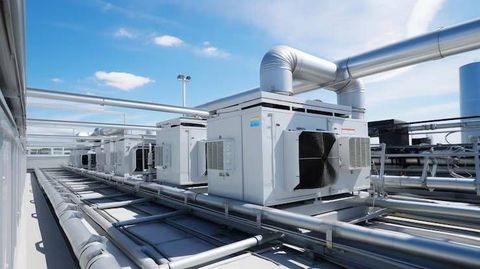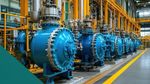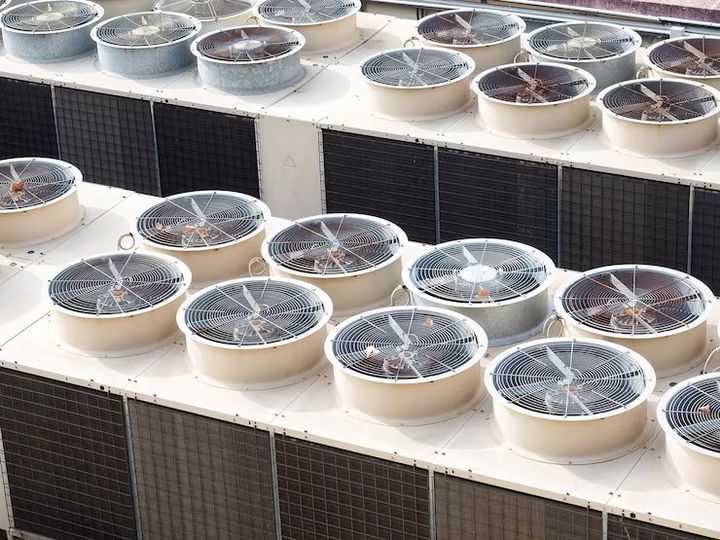
Explore Industrial Cooling Equipment With System Insights And Essential Details
Industrial cooling equipment plays a vital role in maintaining safe operating temperatures across manufacturing facilities, processing plants, data environments, energy systems, and many other industrial operations. Modern industries generate significant amounts of heat during production, processing, and equipment operation. Without effective cooling solutions, machinery performance can decline, operational efficiency can suffer, and equipment lifespan may be reduced. Industrial cooling equipment helps manage these challenges by controlling temperature levels and supporting stable operating conditions.
As industries continue expanding their use of automation, high-performance machinery, and advanced production systems, the importance of industrial cooling equipment has increased significantly. According to global industrial research, temperature management remains one of the most important factors affecting equipment reliability, energy efficiency, and process consistency. Industrial cooling systems are designed to remove excess heat, protect sensitive equipment, and maintain optimal environmental conditions.
The impact of industrial cooling equipment extends beyond equipment protection. Effective cooling systems contribute to workplace safety, energy management, product quality, and operational continuity. Understanding industrial cooling equipment, its components, and its applications helps facility managers, engineers, technicians, business owners, and students gain valuable insight into modern industrial operations. Before examining specific cooling technologies, it is useful to understand who benefits from these systems and the challenges they help solve.
Who It Affects & Problems It Solves
Industrial cooling equipment affects a wide range of industries and operational environments. Manufacturing facilities rely on cooling systems to regulate machine temperatures during production processes. Data-intensive facilities depend on cooling equipment to protect electronic systems from overheating. Energy facilities, processing plants, warehouses, and automated production environments also utilize industrial cooling equipment to maintain reliable operations.
Without adequate cooling systems, many industrial operations would face significant challenges. Excessive heat can reduce equipment efficiency, increase maintenance requirements, shorten component lifespan, and lead to unexpected downtime. In some situations, overheating may also create safety concerns for workers and equipment. Industrial cooling equipment helps address these problems by maintaining stable operating temperatures and supporting reliable performance.
A common challenge in modern industrial facilities is balancing cooling performance with energy efficiency. Organizations seek cooling solutions that effectively manage heat while minimizing energy consumption and operating costs. Industrial cooling equipment is designed to support these objectives through specialized technologies and system configurations. Recent industry developments have further expanded the capabilities of modern cooling systems.
Recent Updates
Over the past year, industrial cooling equipment has continued evolving to support greater energy efficiency. Organizations worldwide are increasingly focused on reducing energy consumption while maintaining reliable temperature control. As a result, manufacturers have introduced systems designed to optimize cooling performance and improve operational efficiency.
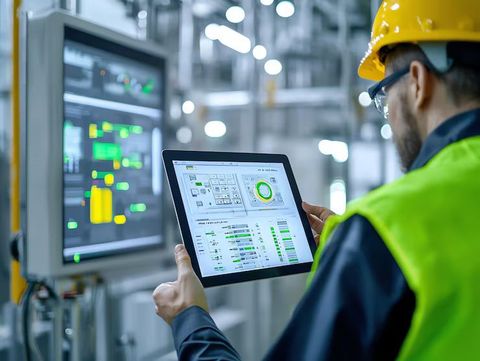
Another important trend involves smart monitoring technology. Modern industrial cooling equipment increasingly incorporates sensors and monitoring tools that provide real-time performance information. These technologies help operators identify inefficiencies, monitor temperature conditions, and detect potential maintenance issues before they become serious problems.
Automation integration has also become more common. Cooling systems are increasingly connected to centralized control platforms that allow operators to manage cooling performance automatically based on changing operational conditions. This integration supports more precise temperature control and improved resource utilization.
Sustainability remains a major focus as well. Many organizations are evaluating cooling solutions that reduce environmental impact while maintaining performance standards. These developments provide useful context for understanding the major types of industrial cooling equipment used across industries today.
Comparison Table
The following table highlights common industrial cooling equipment types and their primary functions.
| Cooling Equipment | Primary Function | Typical Application |
|---|---|---|
| Chillers | Remove heat from liquids | Manufacturing Processes |
| Cooling Towers | Dissipate heat into the atmosphere | Large Industrial Facilities |
| Heat Exchangers | Transfer heat between fluids | Processing Operations |
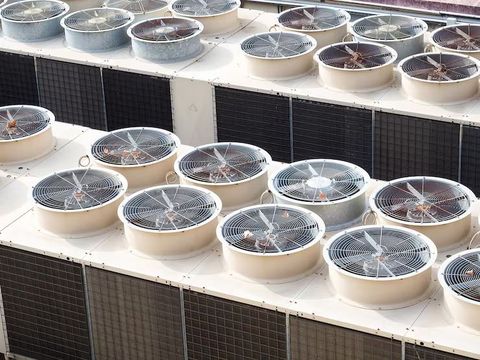
| Air Coolers | Cool equipment using airflow | Machinery Protection |
| Industrial Fans | Improve air circulation | Facility Ventilation |
| Evaporative Coolers | Reduce temperatures through evaporation | Industrial Workspaces |
| Condensers | Release absorbed heat | Refrigeration Systems |
| Process Cooling Units | Maintain production temperatures | Manufacturing Lines |
| HVAC Cooling Systems | Control indoor environments | Industrial Buildings |
| Liquid Cooling Systems | Cool sensitive equipment | Electronics and Automation |
The table demonstrates that industrial cooling equipment serves diverse functions depending on operational requirements. Each system contributes to temperature control, equipment protection, and process stability in different ways.
Components Information
Industrial cooling equipment consists of multiple components working together to remove and manage heat. Compressors are among the most important components in many cooling systems because they circulate refrigerants and support heat transfer processes. Their performance directly influences cooling efficiency and system reliability.
Heat exchangers are another essential component. These devices transfer heat between fluids without allowing direct mixing. Heat exchangers are widely used in industrial cooling systems because they support efficient temperature regulation while minimizing energy loss.
Cooling towers are commonly utilized in larger facilities where significant amounts of heat must be dissipated. These structures help release heat into the surrounding environment through controlled processes that improve cooling effectiveness. Cooling towers often work alongside chillers and other cooling equipment as part of integrated systems.
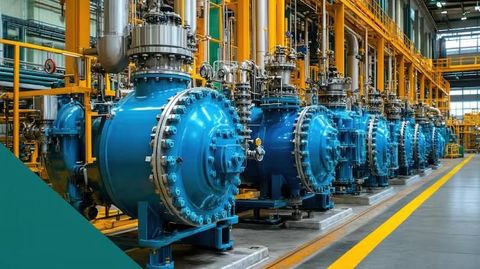
Pumps, fans, sensors, and control systems also play critical roles. Pumps circulate cooling fluids throughout the system, fans improve airflow, sensors monitor operating conditions, and control systems help maintain desired temperatures. Together, these components support stable and efficient cooling operations.
Regulations & Practical Guidance
Industrial cooling equipment is generally subject to safety, environmental, and performance requirements in most countries. Regulatory frameworks often address equipment design, operational safety, energy efficiency, and environmental considerations. Compliance with applicable standards helps organizations operate cooling systems safely and responsibly.
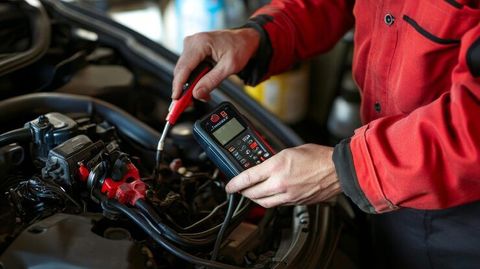
Routine maintenance is essential for maintaining cooling system performance. Regular inspections, cleaning procedures, component testing, and preventive maintenance activities help identify potential issues before they affect operations. Well-maintained cooling equipment often delivers better efficiency and longer service life.
Proper system selection is equally important. Industrial cooling equipment should be chosen based on operational requirements, environmental conditions, facility size, heat loads, and efficiency objectives. Selecting an appropriately sized and configured system helps maximize performance while minimizing unnecessary energy consumption.
Which Option Suits Your Situation?
A manufacturing facility operating high-temperature production equipment may benefit from chillers and process cooling systems. These solutions help maintain stable temperatures and protect machinery during continuous operations.
Organizations managing large facilities often rely on cooling towers and centralized cooling systems. These systems provide effective heat management for operations requiring significant cooling capacity.
Facilities with sensitive electronics and automation equipment may prioritize liquid cooling systems and precision cooling technologies. These solutions help maintain consistent temperatures for critical equipment.
Businesses focused on ventilation and worker comfort frequently utilize industrial fans, evaporative coolers, and HVAC cooling systems. These systems support comfortable and productive working environments while helping manage facility temperatures. Understanding these options naturally leads to exploring useful tools and resources related to industrial cooling.
Tools & Resources
Several resources can help organizations better understand and manage industrial cooling equipment.
Cooling Load Calculators — Assist in estimating cooling requirements for facilities and equipment.
Energy Efficiency Assessment Tools — Help identify opportunities to improve cooling system performance.
Maintenance Management Software — Supports inspection scheduling and preventive maintenance tracking.
Temperature Monitoring Systems — Provide real-time visibility into cooling performance.
Equipment Selection Guides — Help organizations choose suitable cooling technologies.
Industrial Engineering Resources — Explain cooling system design principles and operational considerations.
Technical Documentation Libraries — Offer specifications, maintenance manuals, and operational guidance.
Using these resources can improve decision-making, support maintenance planning, and enhance overall cooling system performance. They also help answer many common questions about industrial cooling equipment.
Frequently Asked Questions
What is industrial cooling equipment?
Industrial cooling equipment refers to systems and devices designed to remove heat from machinery, facilities, production processes, and equipment. Common examples include chillers, cooling towers, heat exchangers, air coolers, and process cooling systems used across industrial environments.
Why is industrial cooling equipment important?
Industrial cooling equipment helps prevent overheating, protect machinery, maintain product quality, improve workplace safety, and support efficient operations. Effective temperature control contributes to equipment reliability and reduces the likelihood of operational disruptions.
What is the difference between a chiller and a cooling tower?
A chiller removes heat from liquids and provides cooled fluid for industrial processes. A cooling tower primarily dissipates heat into the atmosphere. In many facilities, chillers and cooling towers work together as part of an integrated cooling system.
How often should cooling systems be maintained?
Maintenance frequency depends on system type, operating conditions, and manufacturer recommendations. Regular inspections, cleaning, testing, and preventive maintenance activities are generally recommended to ensure reliable operation and efficiency.
Are industrial cooling systems used only in manufacturing?
No. Industrial cooling systems are used in many sectors including data environments, energy facilities, processing plants, warehousing, automation systems, transportation infrastructure, and commercial operations. Any environment generating significant heat may require cooling solutions.
Conclusion
Industrial cooling equipment plays a critical role in supporting modern industrial operations. Systems such as chillers, cooling towers, heat exchangers, air coolers, and liquid cooling solutions help regulate temperatures, protect equipment, and maintain operational efficiency. These technologies contribute to productivity, reliability, and workplace safety across numerous industries.
The most important takeaway is that effective cooling is essential for both equipment performance and operational continuity. Proper system selection, regular maintenance, and ongoing performance monitoring help maximize the benefits of industrial cooling equipment while supporting long-term efficiency goals.
As industries continue adopting advanced technologies and automation systems, industrial cooling equipment will likely become increasingly intelligent, efficient, and integrated, helping organizations meet future performance and sustainability objectives.