Complete Overview of Manufacturing Machinery and Equipment
Manufacturing machinery plays a major role in modern industrial production. These machines are used to shape, assemble, process, package, and inspect products across industries such as automotive, electronics, healthcare, aerospace, and food processing. Manufacturing Machinery includes both traditional mechanical systems and advanced digital technologies that improve precision and efficiency.
Industrial Automation Systems have become increasingly common in factories. Automation combines robotics, sensors, software, and data monitoring tools to reduce manual intervention and improve production consistency. Many facilities now rely on connected equipment that can communicate through industrial networks and cloud-based platforms.
Another important area is Semiconductor Manufacturing Equipment. These specialized systems are used in the production of computer chips and electronic components. Semiconductor production requires highly controlled environments and advanced machinery capable of microscopic precision.
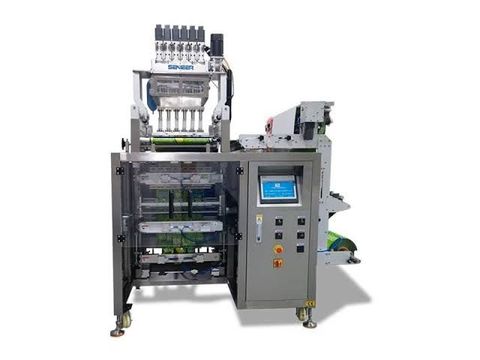
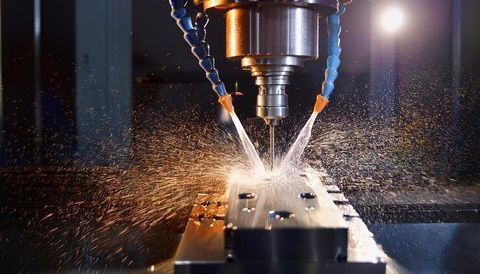
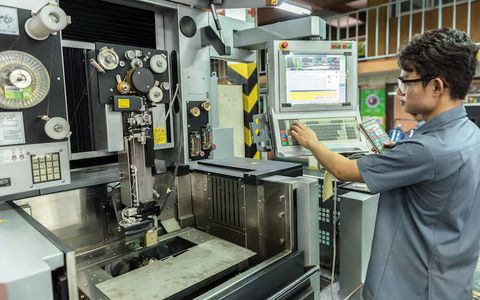
Industrial machinery also includes equipment such as conveyor systems, packaging machines, Industrial Laser Cutting Machines, hydraulic presses, and CNC machining centers. These systems help manufacturers manage complex production tasks with greater accuracy and repeatability.
Types of Manufacturing Machinery
Common categories of industrial equipment include:
- CNC machining equipment
- Robotics and automation systems
- Industrial Laser Cutting Machines
- Injection molding machines
- Semiconductor Manufacturing Equipment
- Packaging and assembly systems
- Material handling equipment
- Industrial inspection systems
Common Industries Using Machinery
| Industry | Common Equipment Used |
|---|---|
| Automotive | CNC machines, robotic arms |
| Electronics | Semiconductor Manufacturing Equipment |
| Metal Fabrication | Industrial Laser Cutting Machines |
| Food Processing | Packaging and conveyor systems |
| Healthcare | Precision assembly equipment |
| Aerospace | Automated machining systems |
Importance
Manufacturing machinery supports large-scale production and helps industries maintain consistent quality standards. Advanced equipment improves precision, production speed, and workplace safety while reducing operational errors.
Industrial Automation Systems also help manufacturers monitor production in real time. Sensors and software platforms can detect maintenance issues early and reduce downtime. This supports more efficient use of energy and raw materials.
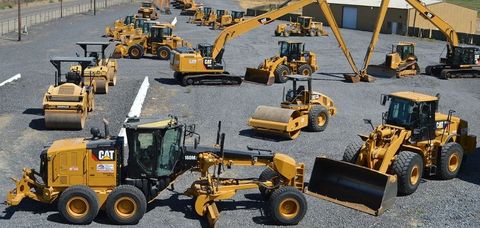
Financial planning is another important part of industrial operations. Many organizations explore CNC Machine Financing and Heavy Equipment Leasing to manage long-term equipment investments. Financing options may help companies upgrade technology without major immediate capital pressure.
Industrial Machinery Insurance is also important because machinery failures, workplace accidents, and production interruptions can affect business operations. Insurance policies may include equipment protection, liability coverage, and operational risk management support.
The manufacturing sector affects a wide range of groups, including:
- Factory operators
- Engineers and technicians
- Supply chain providers
- Technology developers
- Logistics companies
- Industrial safety regulators
Recent Updates
From 2024 to 2026, manufacturing technology has continued to evolve through automation, artificial intelligence, and sustainability-focused practices. Many factories are integrating smart manufacturing tools that collect and analyze operational data in real time.
Industrial Automation Systems are increasingly connected through Industrial Internet of Things (IIoT) platforms. These systems allow equipment to communicate with centralized monitoring software for predictive maintenance and production optimization.
Industrial Laser Cutting Machines have also improved in speed and accuracy. Fiber laser technology is becoming more common because it supports cleaner cuts and lower energy usage compared to some older systems.
Semiconductor Manufacturing Equipment remains a major focus globally due to growing demand for artificial intelligence hardware, electric vehicles, and advanced computing devices. Several countries are investing in domestic semiconductor production facilities to strengthen supply chain stability.
Some important trends between 2024 and 2026 include:
- Increased use of robotics in assembly operations
- Greater adoption of AI-based quality inspection
- Expansion of semiconductor production facilities
- Energy-efficient manufacturing systems
- Digital twins for factory simulation
- Cloud-connected Industrial Automation Systems
Environmental sustainability is also influencing industrial equipment design. Manufacturers are focusing on lower emissions, reduced waste generation, and improved recycling processes within production facilities.
Laws or Policies
Manufacturing machinery is regulated by workplace safety standards, environmental rules, and industrial compliance policies. Regulations vary by country, but many focus on employee protection, operational safety, and environmental impact reduction.
Industrial facilities commonly follow machine safety standards that address:
- Emergency stop systems
- Equipment guarding
- Electrical safety
- Fire prevention measures
- Hazard communication
- Worker training procedures
In many regions, Semiconductor Manufacturing Equipment facilities must comply with strict environmental controls because semiconductor production involves chemicals, gases, and cleanroom operations.
Industrial Machinery Insurance requirements may also depend on regional regulations and contractual obligations. Insurance providers often evaluate workplace safety practices, equipment maintenance records, and operational risks.
Financial regulations may influence CNC Machine Financing and Heavy Equipment Leasing agreements. These agreements typically include terms related to equipment ownership, maintenance responsibilities, and depreciation schedules.
Governments in several countries are also supporting advanced manufacturing through:
- Tax incentives for automation upgrades
- Semiconductor production initiatives
- Energy-efficiency standards
- Industrial digitalization programs
- Workforce training investments
Tools and Resources
Manufacturers often use digital tools to manage equipment operations, maintenance scheduling, and production analysis. These tools help improve visibility across manufacturing processes.
Useful industrial resources may include:
- Equipment maintenance scheduling software
- CNC programming simulators
- Production planning systems
- Energy monitoring platforms
- Industrial safety compliance checklists
- Factory performance dashboards
Common Industrial Software Categories
| Tool Type | Purpose |
| ERP Systems | Production and inventory planning |
| CAD/CAM Software | Product and machining design |
| Maintenance Platforms | Equipment monitoring |
| Automation Software | Machine control and coordination |
| Data Analytics Tools | Performance tracking |
Organizations reviewing CNC Machine Financing or Heavy Equipment Leasing may also use financial planning calculators to estimate long-term operational expenses and equipment utilization.
Industrial Machinery Insurance providers often provide risk assessment templates that help facilities evaluate machinery-related operational exposure.
FAQs
What is Manufacturing Machinery?
Manufacturing Machinery refers to industrial equipment used to produce, process, assemble, or package products in factories and industrial facilities.
What are Industrial Automation Systems?
Industrial Automation Systems are technologies that use software, robotics, sensors, and control systems to automate manufacturing processes with limited manual involvement.
Why is Semiconductor Manufacturing Equipment important?
Semiconductor Manufacturing Equipment is essential for producing computer chips used in electronics, vehicles, telecommunications devices, and artificial intelligence systems.
What is the purpose of CNC Machine Financing?
CNC Machine Financing helps organizations manage equipment acquisition expenses through structured payment arrangements instead of large one-time expenditures.
Why do companies use Industrial Machinery Insurance?
Industrial Machinery Insurance helps manage risks related to equipment damage, production interruptions, and workplace incidents involving industrial systems.
Conclusion
Manufacturing machinery continues to shape global industrial production through automation, precision engineering, and digital technologies. Equipment such as Industrial Laser Cutting Machines, CNC systems, and Semiconductor Manufacturing Equipment supports a wide range of industries and applications. Industrial Automation Systems are helping manufacturers improve efficiency, monitoring, and operational consistency. Financial planning tools such as CNC Machine Financing, Heavy Equipment Leasing, and Industrial Machinery Insurance also play an important role in long-term industrial operations. As technology continues to advance, manufacturing systems are expected to become more connected, efficient, and sustainability-focused.