CNC Milling Machines for Precision Manufacturing Guide
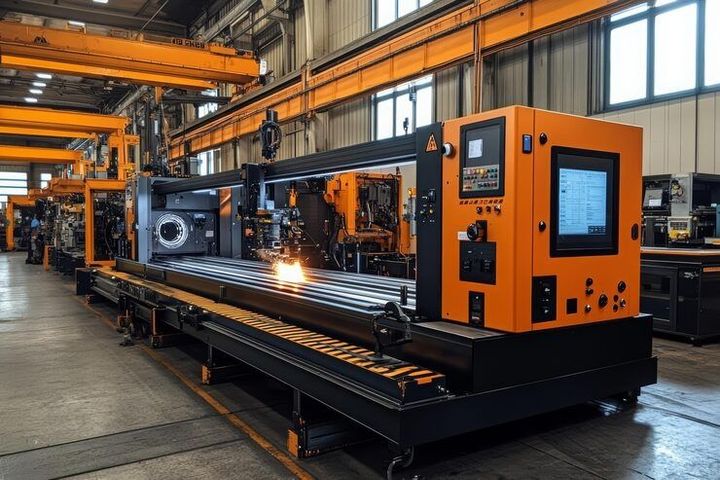
CNC milling machines are advanced manufacturing systems that use computer-controlled technology to shape, cut, drill, and finish metal, plastic, and composite materials with high precision. The term CNC stands for Computer Numerical Control, which means the machine follows digital instructions created through specialized programming software.
These machines were developed to improve manufacturing accuracy and reduce manual intervention in industrial production. Traditional machining methods depended heavily on human operators, which often resulted in inconsistent output and slower production cycles. CNC milling systems introduced automation and repeatability, allowing industries to produce identical parts with minimal variation.
Modern CNC milling machines are commonly used in aerospace, automotive, electronics, medical equipment, and industrial engineering sectors. They can create complex shapes and detailed components that are difficult to achieve using manual machinery.
A typical CNC milling system includes several important components:
- Computer control unit
- Spindle and cutting tools
- Machine table
- Servo motors
- Cooling and lubrication systems
- CAD and CAM software integration
The development of smart manufacturing and digital factories has further expanded the importance of CNC milling technology in industrial environments.
Why CNC Milling Machines Matter Today
Precision manufacturing has become increasingly important because industries now require highly accurate components with consistent quality. CNC milling machines help manufacturers meet strict technical standards while improving productivity and operational efficiency.
Many industries rely on CNC systems because modern products often involve detailed engineering and tight dimensional tolerances. Even a small manufacturing error can affect performance, safety, or product lifespan.
The growing demand for industrial automation has also increased the importance of CNC milling technology. Automated production environments reduce repetitive manual work and support continuous manufacturing operations.
The impact of CNC milling machines can be seen across different sectors.
| Industry | Common Applications |
|---|---|
| Automotive | Engine parts, brake systems, transmission components |
| Aerospace | Aircraft structures, turbine components |
| Medical | Surgical tools, implants, precision instruments |
| Electronics | Device housings, circuit board components |
| Industrial Equipment | Mechanical parts and production tools |
Several factors explain why CNC milling technology remains important today:
- High production accuracy
- Improved repeatability
- Faster manufacturing cycles
- Reduced material waste
- Better industrial safety
- Digital integration with smart factories
As industries move toward Industry 4.0 environments, CNC milling systems now work alongside robotics, sensors, cloud monitoring, and industrial data systems.
Growth of Smart Manufacturing Systems
Smart manufacturing combines automation, machine learning, industrial software, and connected production systems. CNC milling machines play a central role in this transformation because they can integrate with digital workflows and production monitoring platforms.
Modern factories increasingly use real-time monitoring tools to track machine performance, maintenance schedules, and production efficiency. These systems help reduce downtime and improve operational planning.
The shift toward data-driven manufacturing also supports sustainability goals. Many CNC systems now include energy monitoring features that help manufacturers optimize electricity consumption and reduce industrial waste.
Recent Updates in CNC Milling Technology
The CNC manufacturing sector has experienced several important developments during 2025 and early 2026. These updates focus mainly on automation, artificial intelligence integration, and energy-efficient manufacturing systems.
One major trend is the adoption of AI-assisted machining software. New software platforms can analyze machining patterns, optimize cutting paths, and predict tool wear before equipment failure occurs. This improves production efficiency and reduces unexpected maintenance interruptions.
Another recent development involves digital twin technology. Manufacturers are increasingly creating virtual models of CNC machines to simulate production processes before physical operations begin. This helps reduce design errors and material waste.
In late 2025, several industrial manufacturers expanded the use of hybrid CNC systems that combine milling, drilling, and additive manufacturing functions into a single platform. These systems improve production flexibility and reduce machine setup time.
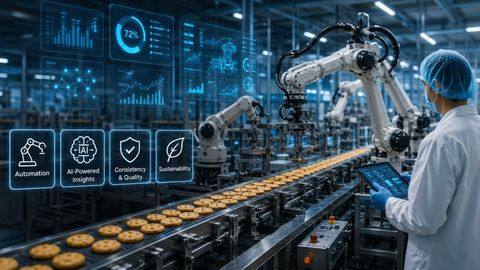
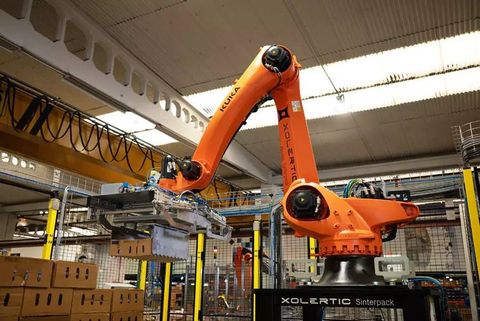
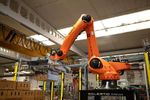
The industrial robotics sector has also influenced CNC operations. Many production facilities now integrate robotic arms with CNC milling machines to automate material loading and unloading processes.
Recent manufacturing trends include:
| Recent Trend | Industry Impact |
|---|---|
| AI-based machining analysis | Improved efficiency |
| Predictive maintenance systems | Reduced downtime |
| Energy-efficient CNC systems | Lower power usage |
| Hybrid machining technology | Multi-function operations |
| Cloud-connected production monitoring | Real-time factory insights |
Sustainability has become another major focus area. Manufacturers are introducing environmentally responsible machining practices, including recyclable coolant systems and energy-saving spindle technologies.
Regulations and Industrial Policies
CNC milling operations are affected by industrial regulations, workplace safety standards, and environmental policies. These rules help ensure safe manufacturing conditions and responsible industrial practices.
In many countries, workplace safety agencies require manufacturers to follow machine operation standards that protect workers from mechanical hazards. CNC systems often include emergency stop functions, protective enclosures, and automated shutdown systems to comply with safety requirements.
Industrial automation policies have also expanded in recent years. Governments in several regions are supporting digital manufacturing initiatives to strengthen domestic production capabilities and improve technological competitiveness.
Environmental regulations now influence manufacturing operations more directly. Many industrial facilities must monitor energy consumption, emissions, and waste disposal practices. CNC systems that improve material efficiency and reduce waste generation help organizations meet sustainability requirements.
Common policy areas related to CNC manufacturing include:
- Industrial workplace safety standards
- Machine operator training requirements
- Energy efficiency regulations
- Environmental waste management policies
- Digital manufacturing modernization programs
Countries investing in advanced manufacturing infrastructure often encourage the adoption of automated production technologies through industrial development initiatives and technology modernization programs.
Common CNC Milling Machine Types
Different CNC milling systems are designed for different manufacturing requirements. The choice depends on production complexity, material type, and operational scale.
| Machine Type | Main Purpose |
|---|---|
| Vertical CNC Milling | General industrial machining |
| Horizontal CNC Milling | Heavy-duty production |
| 3-Axis CNC Machines | Basic cutting operations |
| 5-Axis CNC Machines | Complex precision components |
| Multi-Tasking CNC Systems | Combined manufacturing operations |
Five-axis CNC systems have become especially important in aerospace and medical industries because they can produce highly detailed components with fewer setup adjustments.
Tools and Resources for CNC Manufacturing
Modern CNC manufacturing depends on both hardware and digital resources. Many industrial teams use software platforms and analytical tools to improve production planning and machine performance.
Helpful CNC manufacturing resources include:
- CAD software for product design
- CAM software for machining instructions
- Toolpath simulation platforms
- Machine monitoring dashboards
- Industrial automation learning platforms
- Technical training materials
- Maintenance scheduling systems
- Material calculation tools
Digital simulation software allows engineers to test machining operations before production begins. This reduces the risk of machining errors and improves overall production accuracy.
Educational resources have also become more accessible through online industrial training programs and virtual manufacturing simulations. These learning platforms help operators understand CNC programming concepts and machining techniques.
Challenges in CNC Milling Operations
Although CNC systems improve manufacturing efficiency, industries still face several operational challenges.
One common issue is the shortage of skilled machine operators and CNC programmers. Advanced manufacturing systems require technical knowledge in programming, machine setup, and digital production processes.
Cybersecurity has also become an important concern. Connected manufacturing systems can face security risks if industrial networks are not properly protected.
Other operational challenges include:
- Equipment maintenance requirements
- Software compatibility issues
- High technical training demands
- Industrial data management complexity
- Production downtime during upgrades
Manufacturers continue investing in workforce training and industrial cybersecurity strategies to address these challenges.
Frequently Asked Questions
What is the main purpose of a CNC milling machine?
A CNC milling machine is designed to shape and cut materials using computer-controlled instructions. It helps manufacturers produce precise and consistent components for industrial applications.
Which industries commonly use CNC milling technology?
Industries such as aerospace, automotive, medical equipment, electronics, and industrial engineering commonly use CNC milling systems for precision manufacturing tasks.
What is the difference between manual and CNC machining?
Manual machining depends on human control, while CNC machining uses programmed digital instructions. CNC systems provide greater accuracy, automation, and production consistency.
Why is smart manufacturing connected to CNC systems?
Smart manufacturing uses digital technologies, automation, and industrial data systems. CNC machines support these environments by integrating with software, sensors, and production monitoring platforms.
Are CNC milling machines important for sustainable manufacturing?
Yes. Modern CNC systems help reduce material waste, improve energy efficiency, and support environmentally responsible manufacturing practices.
Conclusion
CNC milling machines remain one of the most important technologies in modern manufacturing. Their ability to deliver precision, automation, and consistent production quality makes them essential for industries that depend on advanced engineering and industrial efficiency.
The growing adoption of smart manufacturing systems, AI-assisted production tools, and connected industrial platforms continues to shape the future of CNC machining. Recent developments in predictive maintenance, digital simulation, and energy-efficient manufacturing demonstrate how the technology is evolving to meet modern industrial demands.