Chemical Dosing System Explained: Basics, Uses, and Benefits
Chemical dosing systems are widely used in industries that require accurate chemical handling and controlled fluid treatment. A chemical dosing system helps add measured amounts of chemicals into water, pipelines, tanks, or industrial processes. These systems are commonly found in water treatment plants, manufacturing facilities, food processing units, agriculture, and energy production environments.
An industrial chemical dosing system is designed to improve process stability, reduce manual handling, and maintain safe chemical concentration levels. Modern facilities increasingly rely on automated chemical dosing system technology to improve precision and operational consistency. Understanding how these systems work can help businesses, engineers, and facility managers maintain efficient operations while meeting environmental and safety standards.
Context
What Is a Chemical Dosing System?
A chemical dosing system is equipment used to inject controlled amounts of chemicals into liquids, gases, or industrial processes. The main purpose is to maintain the correct chemical balance for treatment, cleaning, disinfection, corrosion prevention, or pH control.
A standard chemical dosing pump system usually includes:
- Storage tanks
- Metering or dosing pumps
- Controllers and sensors
- Valves and pipelines
- Monitoring instruments
The system measures and injects chemicals according to the process requirement. In many industrial settings, dosing systems operate continuously to maintain stable conditions.
Common Applications
Chemical dosing systems are used in many sectors because precise chemical management is important for operational safety and efficiency.
| Industry | Typical Use |
|---|---|
| Water treatment | Chlorination, pH adjustment, disinfection |
| Manufacturing | Process chemical control |
| Agriculture | Fertigation and nutrient dosing |
| Oil and gas | Corrosion inhibitors and chemical injection |
| Food processing | Cleaning and sanitation control |
| Power plants | Boiler water treatment |
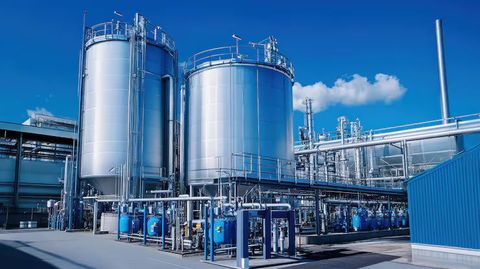
A water treatment dosing system is one of the most common examples. These systems help maintain water quality in municipal plants, cooling towers, wastewater facilities, and industrial treatment systems.
A chemical injection skid system is another important setup used in industries such as oil and gas. These skid-mounted systems combine pumps, tanks, piping, and control equipment into a compact unit for easier installation and maintenance.
Importance
Chemical dosing systems play an important role in maintaining process quality, environmental safety, and equipment protection. Without controlled chemical dosing, industrial systems may face scaling, corrosion, contamination, or unstable production conditions.
Why Accurate Dosing Matters
Accurate dosing helps maintain the correct chemical concentration in a process. Too little chemical may reduce treatment effectiveness, while excessive dosing can create operational and environmental problems.
Benefits of accurate dosing include:
- Improved treatment performance
- Reduced chemical waste
- Better equipment lifespan
- Consistent product quality
- Lower manual handling requirements
- Enhanced workplace safety
An automated chemical dosing system helps reduce human error by using sensors and programmable controllers. Automation also allows operators to monitor chemical levels and flow rates in real time.
Who Uses These Systems?
Many organizations and professionals rely on chemical dosing systems for daily operations.
Common users include:
- Municipal water authorities
- Industrial plant operators
- Environmental engineers
- Facility maintenance teams
- Wastewater treatment operators
- Agricultural irrigation managers
In large facilities, a chemical dosing pump system often becomes part of a broader monitoring and control network. This integration helps maintain stable industrial processes with minimal disruption.
Recent Updates
The chemical dosing industry has experienced several developments between 2024 and 2026. Many organizations are adopting digital monitoring systems, energy-efficient pumps, and automated controls to improve operational accuracy.
Smart Monitoring and Automation
One major trend is the use of smart sensors and connected monitoring systems. Modern automated chemical dosing system platforms now include features such as:
- Remote monitoring dashboards
- Flow-rate tracking
- Leak detection alerts
- Digital calibration tools
- Automated reporting systems
These improvements allow operators to monitor system performance more effectively and respond quickly to operational changes.
Sustainability and Energy Efficiency
Environmental concerns are also influencing system design. Manufacturers are focusing on reducing chemical waste and improving energy efficiency.
Recent developments include:
- Variable-speed dosing pumps
- Low-energy metering systems
- Improved chemical compatibility materials
- Compact modular designs
- Reduced maintenance components
Water treatment facilities are increasingly upgrading older equipment to more efficient water treatment dosing system configurations that support environmental compliance goals.
Expansion in Industrial Applications
Demand for industrial chemical dosing system technology continues to grow in sectors such as:
- Semiconductor manufacturing
- Renewable energy production
- Pharmaceutical processing
- Advanced wastewater treatment
- Desalination facilities
The use of chemical injection skid system units has also expanded because skid-mounted designs simplify transportation, installation, and operational setup.
Laws or Policies
Chemical dosing systems must operate within environmental, workplace safety, and water quality regulations. These rules vary by country and industry, but most systems must follow standards related to chemical handling, storage, discharge, and worker protection.
Environmental Regulations
Many countries regulate chemical discharge into wastewater systems and natural water sources. Operators using a water treatment dosing system often need to monitor and document chemical usage levels.
Regulatory agencies may require:
- Safe chemical storage procedures
- Spill prevention measures
- Accurate dosing records
- Water quality testing
- Waste disposal controls
Industries that discharge treated water into public systems usually need to comply with local environmental guidelines.
Workplace Safety Requirements
Chemical handling involves potential risks, including exposure to corrosive or hazardous substances. Safety policies often require:
- Protective equipment for workers
- Emergency shutdown controls
- Proper ventilation systems
- Secondary containment areas
- Equipment inspection schedules
An industrial chemical dosing system should also include safety mechanisms such as pressure relief valves and leak detection systems.
Industry Standards
Several international standards help guide the design and operation of dosing equipment.
Common standards may include:
| Standard Area | Purpose |
| Water quality standards | Maintain safe water treatment practices |
| Industrial safety standards | Protect workers and facilities |
| Chemical handling guidelines | Reduce exposure and contamination risks |
| Environmental discharge rules | Control wastewater discharge |
Facilities using a chemical injection skid system may also need to follow industry-specific engineering and piping standards.
Tools and Resources
Several tools and platforms help operators manage, monitor, and maintain chemical dosing systems effectively. These resources support planning, calibration, compliance, and operational efficiency.
Monitoring and Control Tools
Modern dosing systems often use digital software and automated controllers to track chemical usage.
Useful tools may include:
- Flow monitoring software
- Pump calibration calculators
- pH monitoring systems
- SCADA monitoring platforms
- Maintenance scheduling systems
An automated chemical dosing system often integrates with central control systems for real-time operational management.
Training and Technical Resources
Operators and engineers frequently use technical resources to improve system understanding and maintenance practices.
Helpful resources include:
- Equipment manuals
- Industry training programs
- Engineering guidelines
- Water quality reference charts
- Chemical compatibility databases
Technical documentation is especially important for facilities operating a complex chemical dosing pump system with multiple chemicals and treatment stages.
Planning and Maintenance Checklists
Regular inspection and maintenance are important for reliable performance.
Typical maintenance activities include:
- Inspecting dosing pumps
- Checking calibration accuracy
- Cleaning filters and valves
- Monitoring chemical tank levels
- Testing sensor functionality
A preventive maintenance approach can help reduce downtime and extend equipment lifespan.
FAQs
What is the purpose of a chemical dosing system?
A chemical dosing system injects controlled amounts of chemicals into a process or liquid stream. It helps maintain correct chemical concentration levels for treatment, cleaning, corrosion prevention, or disinfection.
Where is a water treatment dosing system commonly used?
A water treatment dosing system is commonly used in municipal water plants, wastewater facilities, cooling towers, industrial processing systems, and swimming pool treatment operations.
How does an automated chemical dosing system work?
An automated chemical dosing system uses sensors, controllers, and dosing pumps to measure and inject chemicals automatically. The system adjusts dosing levels based on process conditions and monitoring data.
What is a chemical injection skid system?
A chemical injection skid system is a compact, pre-assembled unit that includes tanks, pumps, piping, and controls mounted on a skid frame. These systems are often used in oil and gas, industrial processing, and water treatment facilities.
Why is maintenance important for a chemical dosing pump system?
Regular maintenance helps maintain dosing accuracy, prevent leaks, reduce equipment wear, and improve operational reliability. Proper maintenance also supports workplace safety and environmental compliance.
Conclusion
Chemical dosing systems are important components in modern industrial and water treatment operations. They help maintain accurate chemical control, improve process efficiency, and support environmental and safety requirements. An industrial chemical dosing system can reduce manual handling while improving operational consistency across different applications.
Recent developments in automation, digital monitoring, and energy-efficient equipment continue to shape the future of dosing technology. Systems such as automated chemical dosing system platforms and chemical injection skid system units are becoming more common in industries that require precise chemical management. Understanding the basics, applications, and regulatory considerations of these systems can help organizations operate more effectively and responsibly.