Best Electronic Gadgets: Complete Guide to Features and Technology
Electronic gadgets have become an important part of modern life.
They help people communicate, learn, work, stay entertained, and manage daily activities more efficiently. From smart devices and wearable technology to advanced home electronics, gadgets continue to transform the way people interact with technology.
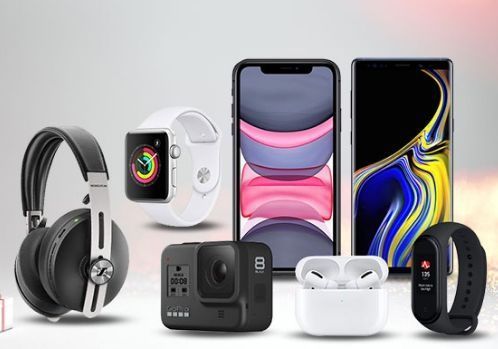
The best electronic gadgets combine innovation, convenience, and practical functionality. Whether someone is interested in smart home devices, wireless earbuds, fitness trackers, portable electronics, or premium consumer electronics, understanding their features can help users make informed decisions.
This guide explores electronic gadgets, their categories, technologies, benefits, and future developments in a simple and easy-to-understand way.
Understanding the Concept
Electronic gadgets are compact devices designed to perform specific functions using electronic components. They are built to simplify tasks, improve productivity, provide entertainment, or enhance communication.
Modern gadgets often include advanced technologies such as:
- Artificial intelligence
- Wireless connectivity
- Bluetooth communication
- Voice control
- Cloud integration
- Touchscreen interfaces
For example, a smartwatch can track physical activity, display notifications, monitor health metrics, and connect to a smartphone. This combination of features makes electronic gadgets valuable in everyday life.
Many premium electronic devices are designed to work together, creating connected ecosystems that improve convenience and efficiency.
Key Types or Categories
Electronic gadgets come in various categories, each serving different purposes.
Smart Devices
Smart devices connect to the internet and communicate with other connected products.
Examples include:
- Smart speakers
- Smart displays
- Smart lighting systems
- Smart security cameras
- Smart thermostats
These devices help automate daily routines and improve convenience.
Wearable Technology
Wearable technology includes gadgets designed to be worn on the body.
Popular examples include:
- Smartwatches
- Fitness trackers
- Smart rings
- Health monitoring devices
Wearables help users track activity, monitor wellness, and stay connected throughout the day.
Audio Gadgets
Audio gadgets focus on sound quality and entertainment.
Common devices include:
- Wireless earbuds
- Noise-canceling headphones
- Portable Bluetooth speakers
- Home audio systems
Advanced audio technology improves listening experiences for music, podcasts, and communication.
Mobile Accessories
Mobile gadgets complement smartphones and tablets.
Examples include:
- Wireless chargers
- Power banks
- Mobile gaming controllers
- Smart styluses
- Portable keyboards
These accessories increase functionality and convenience.
Home Electronics
Home electronics are designed to improve comfort, entertainment, and security.
Examples include:
- Smart televisions
- Streaming devices
- Security systems
- Video doorbells
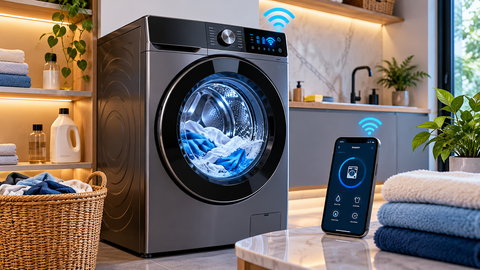
- Smart appliances
These technologies create connected living environments.
Important Subsections
Wireless Connectivity
Wireless connectivity allows devices to communicate without physical cables.
Common technologies include:
- Wi-Fi
- Bluetooth
- NFC
- Cellular networks
Wireless communication makes gadgets more portable and easier to use.
Artificial Intelligence Features
Artificial intelligence helps devices learn user preferences and improve functionality.
Examples include:
- Voice assistants
- Personalized recommendations
- Smart automation
- Predictive notifications
AI-powered features continue becoming more common in modern consumer electronics.
Battery Technology
Battery performance significantly affects gadget usability.
Important battery characteristics include:
- Charging speed
- Energy efficiency
- Battery lifespan
- Power management
Long-lasting batteries improve portability and convenience.
Display Technology
Modern gadgets use advanced display systems to improve visual quality.
Common display technologies include:
- OLED screens
- AMOLED displays
- High-resolution panels
- Adaptive refresh rates
These technologies improve image clarity, brightness, and responsiveness.
How It Works
Electronic gadgets operate through a combination of hardware and digital processing components.
Step 1: Input Collection
Devices receive information through sensors, buttons, microphones, touchscreens, or cameras.
Examples include:
- Voice commands
- Touch gestures
- Motion detection
- Environmental sensors
This information becomes the basis for device actions.
Step 2: Data Processing
The device processes information using internal processors and electronic circuits.
For example:
- A smartwatch analyzes health data.
- A smart speaker interprets voice requests.
- A security camera detects movement.
Processing transforms raw input into meaningful actions.
Step 3: Communication
Many gadgets communicate with other connected devices.
Communication may occur through:
- Wi-Fi networks
- Bluetooth connections
- Cloud platforms
- Mobile networks
This connectivity expands device functionality.
Step 4: User Interaction
Results are displayed through screens, speakers, vibration alerts, or notifications.
Users receive information and interact with the device accordingly.
Step 5: Continuous Learning
Many smart devices improve performance over time by analyzing usage patterns and user preferences.
This ongoing adaptation creates more personalized experiences.
Benefits and Advantages
The best electronic gadgets provide numerous practical advantages.
Improved Convenience
Gadgets simplify everyday activities.
Examples include:
- Voice-controlled lighting
- Automatic reminders
- Wireless communication
- Smart scheduling
These features save time and reduce effort.
Enhanced Productivity
Many electronic devices support organization and efficiency.
Benefits include:
- Task management
- Calendar integration
- Quick communication
- Remote access capabilities
These functions help users stay productive.
Better Entertainment
Modern gadgets provide access to:
- Streaming content
- Gaming experiences
- Music platforms
- Interactive media
Advanced entertainment technology continues evolving rapidly.
Health and Wellness Support
Wearable technology helps users monitor:
- Physical activity
- Heart rate
- Sleep quality
- Daily movement goals
This information encourages healthier lifestyle habits.
Smart Home Integration
Connected home gadgets improve control and automation.
Users can manage:
- Lighting
- Security systems
- Climate settings
- Entertainment equipment
Integration creates a more efficient living environment.
Greater Mobility
Portable electronic gadgets allow users to remain connected from virtually anywhere.
Lightweight designs and improved battery performance contribute to mobility and flexibility.
Real-World Examples or Applications
Electronic gadgets are widely used across personal and professional environments.
Home Use
Families often use smart home devices for:
- Security monitoring
- Energy management
- Entertainment control
- Voice assistance
These applications simplify household management.
Education
Students use gadgets such as tablets, digital notebooks, and wearable devices to support learning.
Technology improves access to educational resources and interactive experiences.
Travel
Travelers benefit from portable gadgets including:
- Wireless earbuds
- Power banks
- GPS devices
- Smart luggage trackers
These tools improve convenience during trips.
Fitness Activities
Athletes and fitness enthusiasts commonly use:
- Fitness trackers
- Smartwatches
- Health monitoring devices
These gadgets provide performance insights and activity tracking.
Business Environments
Organizations use advanced electronics for communication, collaboration, and productivity.
Examples include:
- Video conferencing equipment
- Interactive displays
- Mobile productivity devices
These technologies support efficient workflows.
Important Factors to Understand
Several factors should be considered when evaluating electronic gadgets.
Compatibility
Devices should work effectively with existing technology ecosystems.
Compatibility affects connectivity and overall user experience.
Performance
Performance indicators may include:
- Processing speed
- Battery life
- Connectivity quality
- Responsiveness
Strong performance contributes to long-term usability.
Security Features
Connected devices often store personal information.
Important security measures include:
- Password protection
- Data encryption
- Secure authentication
- Privacy controls
These features help protect user information.
Durability
Durable construction improves device longevity.
Factors affecting durability include:
- Material quality
- Water resistance
- Impact resistance
- Manufacturing standards
Ease of Use
Simple interfaces and intuitive controls improve user satisfaction.
Devices should be easy to navigate regardless of technical experience.
Future Trends and Industry Insights
The electronic gadget industry continues advancing rapidly.
AI-Powered Consumer Electronics
Artificial intelligence will likely become more deeply integrated into everyday devices.
Future gadgets may provide:
- Improved personalization
- Smarter automation
- Enhanced voice interaction
- Predictive assistance
Expanded Smart Home Ecosystems
Connected home environments will continue growing.
More devices will communicate seamlessly, creating unified smart living experiences.
Advanced Wearable Technology
Future wearables may include more sophisticated health monitoring capabilities.
Potential developments include:
- Advanced biometric tracking
- Continuous wellness monitoring
- Enhanced fitness analytics
Sustainable Technology
Manufacturers are increasingly focusing on environmentally conscious production methods.
Future electronic gadgets may emphasize:
- Energy efficiency
- Recyclable materials
- Reduced environmental impact
Faster Connectivity
Emerging communication technologies will support:
- Faster data transfer
- Improved device synchronization
- Lower latency connections
Enhanced connectivity will improve overall gadget performance.
Conclusion
Electronic gadgets have become essential tools in modern life. They support communication, productivity, entertainment, health monitoring, and smart home automation. The best electronic gadgets combine advanced technology with practical functionality, making everyday tasks easier and more efficient.
From wearable technology and wireless earbuds to smart home devices and premium consumer electronics, modern gadgets continue expanding their capabilities. Understanding features such as connectivity, battery performance, artificial intelligence, security, and compatibility helps users better appreciate how these devices work.
As innovation continues, electronic gadgets will become even smarter, more connected, and more integrated into daily life, shaping the future of technology and digital experiences.